
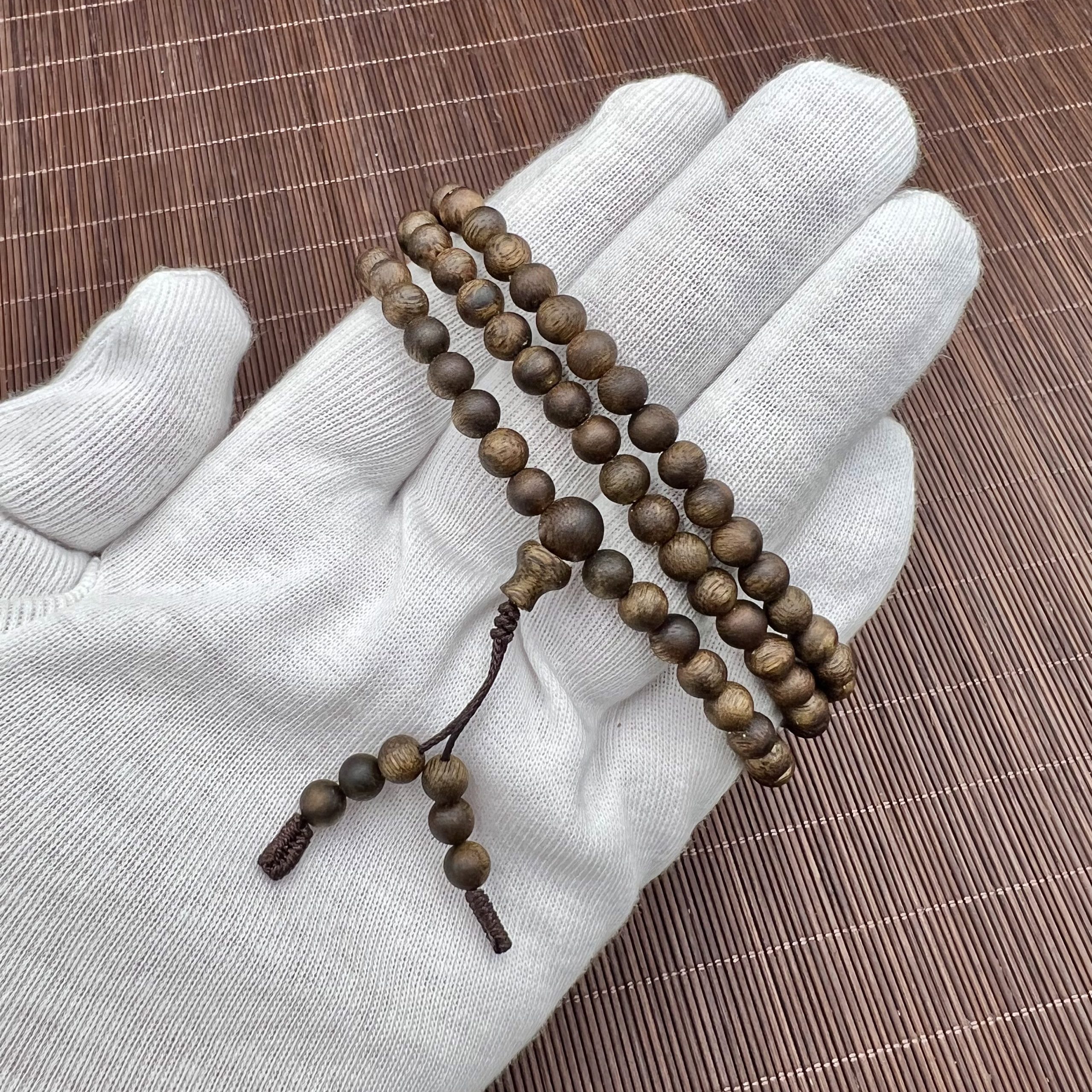
What Are Prayer Beads? Traditions Compared Without Mixing Them
Prayer beads are strings of beads or knots that can help a person keep place during prayer, remembrance, recitation, or meditation. Similar objects appear in several religious traditions, but a shared physical form does not make their beliefs, prayers, authorities, or histories interchangeable. The most useful comparison begins with structure and context: what is counted, who guides the practice, how the strand is named, and what meaning the community gives it.
What prayer beads do across different traditions
Across traditions, beads or knots can provide a tactile sequence. One physical point may correspond to a prayer, a phrase, a breath, a name, or another unit of attention. The hand can move through the sequence without needing to recount visually, which can support focus and rhythm. That shared practical feature is real, but it is not the entire meaning of the object.
In Islamic contexts, tasbih or related terms may refer to a strand used in dhikr, remembrance of God. In Hindu and Buddhist contexts, a mala may support mantra recitation or meditation. In Roman Catholic practice, a rosary is tied to a specific sequence of prayers and mysteries; in Orthodox settings, a prayer rope has its own history and uses. Each tradition speaks for itself through its texts, communities, and teachers.
The Smithsonian’s collection records and other museum sources show prayer beads made from seeds, wood, coral, glass, metal, and cord in different cultural settings. Material diversity should not be mistaken for a single shared religious meaning.
A comparison framework: counting, sequence, material and authority
A respectful comparison asks the same neutral questions of each tradition rather than forcing them into one universal definition. What is the object called? What is being counted or remembered? Does the strand have a prescribed sequence? Are beads, knots, a cross, a marker, or a tassel part of the form? Who has authority to explain how it should be used?
| Question | Why it matters | What not to assume |
|---|---|---|
| Name of the object | Names carry language and community context | All prayer beads use the same term |
| Count and sequence | Structure may support a specific practice | One count works for every tradition |
| Material and design | Shows construction, history, and preference | Material creates identical symbolism everywhere |
| Authority | Teachers and communities guide religious practice | A product page can settle doctrine |
This framework makes comparison more accurate. It lets a reader see common human uses of counting aids while protecting the specific beliefs attached to each form.
Islamic tasbih and remembrance
Tasbih, tasbeeh, misbaha, subha, and related regional terms appear in Islamic contexts. A strand can support counting or pacing dhikr, but terminology, counts, and handling customs vary across communities. Strands with 33 or 99 beads are widely encountered, yet they should be described as common patterns rather than as a single rule for all Muslims.
The British Museum’s Islamic Gallery describes prayer beads as misbahah, tasbih, or subhah in a record of a 99-bead object and connects their use with dhikr. That object record is valuable cultural evidence, while worship-specific questions still belong with trusted local teachers and communities.
For a focused introduction that keeps the object in Islamic context, read What Is Tasbih? Meaning, Names and Respectful Use. Do not relabel a tasbih as a mala or rosary simply because it has a string of beads.
Hindu and Buddhist mala traditions
Mala is a term associated with prayer or mantra beads in several Hindu and Buddhist contexts. A full strand commonly has repeated beads and a distinctive marker or guru bead, and 108 is a familiar count in many forms. Counts, materials, marker arrangements, and use vary by tradition, school, region, and teacher.
The National Museum of Asian Art describes a mala as a string of prayer beads used when reciting mantras and documents Hindu and Tibetan Buddhist objects in its collections. Its records help establish broad cultural context; they do not create a universal mantra method or make every modern bead bracelet a religious mala.
For Buddhist count and school variation, see Buddhist Prayer Beads: Meaning, Counts and School Differences. Use tradition-specific guidance for actual recitation or practice questions.
Christian rosaries, chaplets and prayer ropes
Christian devotional objects also have distinct forms. In Roman Catholic practice, the rosary is connected to a particular sequence of prayers and contemplation of mysteries. Vatican material describes the Rosary as a contemplative prayer, and Met collection material describes a rosary as a string of beads used for counting a sequence of prayers. Those descriptions should not be blended with dhikr or mantra recitation.
Chaplets may have other prayer structures within Christian traditions. Orthodox prayer ropes are also distinct: some use knots, some contemporary forms use beads, and their prayer context is not identical to the Roman Catholic Rosary. The Orthodox Church in America explicitly distinguishes Orthodox prayer-rope practice from the Roman Catholic Rosary in its explanatory material.
For a careful Christian branch of this comparison, read Christian Prayer Beads: Rosaries, Chaplets and Prayer Ropes. A general overview should never assign a Catholic prayer sequence to an Orthodox rope, or either one to a mala or tasbih.
Similar forms do not mean identical beliefs
A round string, a repeated count, a tassel, or a marker can look similar across objects. Visual similarity may arise because hands naturally benefit from a sequence that can be touched and moved. It does not mean the objects share doctrine, sacred language, religious authority, or ritual purpose.
Flattening these differences creates two problems. It can erase the actual histories of communities, and it can turn a religious object into a generic wellness prop. A person may use an ordinary bead bracelet for a secular breath count, but that choice does not turn a tasbih, mala, rosary, or prayer rope into the same thing.
How to learn or buy without cultural flattening
When learning, start with the tradition that actually interests you. Read community or tradition-specific material, ask a knowledgeable teacher, and identify the correct name before purchasing an object. Do not use a cross-tradition comparison as a shortcut to religious instruction.
When buying, focus first on honest material, count, size, construction, and intended form. A seller can describe whether a strand is 33-bead, 99-bead, 108-bead, knotted, or cross-linked. It should not promise spiritual rank, healing, protection, or a guaranteed religious result. If buying for another person, ask about their tradition and preferences rather than guessing from an aesthetic trend.
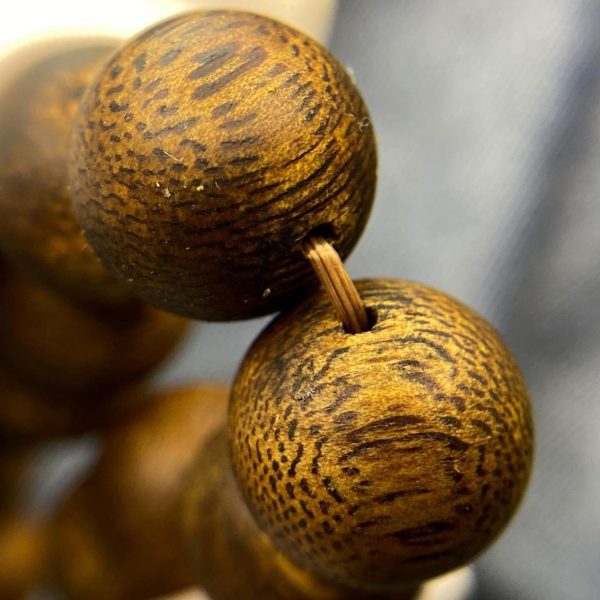
Agarwood and other materials can appear in religious and ritual contexts, but material does not collapse traditions into one. For a broader cultural overview, see Agarwood in Religion and Rituals.
Let community context lead
When a practice detail matters, ask someone qualified within that tradition. A general article can help you frame the question, but it cannot replace a living community’s authority.
Describe rather than appropriate
It is possible to appreciate workmanship, history, and cultural significance without claiming a borrowed practice as your own. Precise names and careful sourcing are practical forms of respect.
Use sources at the right level
Sources should match the claim being made. Museum records can describe a historical object and its material. A church or community source can describe a current devotional practice. For example, the British Museum Islamic Gallery provides a contextual record for a tasbih, the National Museum of Asian Art describes a mala as an aid to mantra recitation, and the Vatican Rosary resource presents Catholic Rosary material. These sources should not be used to make claims outside their own traditions.
The comparison becomes more trustworthy when it admits its limits. It can show that several traditions use a sequence of tactile points. It cannot decide what a particular person should do.
How photographs can mislead
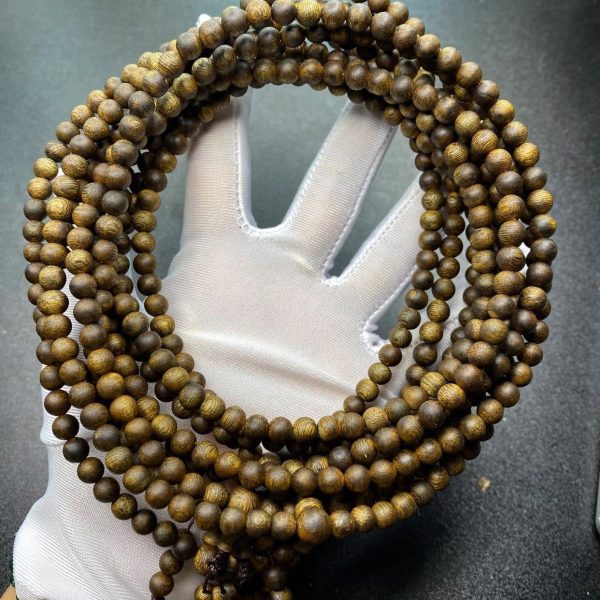
A photograph can make different strands seem identical because it highlights beads, color, or a circular shape. It may not show a cross, marker, knot arrangement, a local name, or the prayer setting that gives the object context. Captions and product descriptions should therefore state what is known – material, count, region, intended form – and avoid captions that turn a sacred object into a fashion-only image.
When sharing an image, do not place unrelated sacred objects together merely for visual contrast. Context matters as much as appearance.
A respectful first purchase checklist
Before buying, identify the tradition, verify the object name, ask about count and construction, and check whether the recipient has guidance from a community. Look for honest material information and do not treat price or exotic claims as proof of meaning. If you are unsure, a book, museum source, or conversation with a practitioner may be a better first step than a purchase.
Keep the comparison open, not reductive
Prayer beads are a useful topic for comparative learning because they raise questions about memory, touch, rhythm, and devotion. The respectful conclusion is not that all traditions say the same thing. It is that careful comparison can make differences clearer and appreciation more informed.
Good comparison makes the reader more attentive to names, sources, and living communities. It does not ask them to flatten distinct religious practices into a single decorative category.
Respect begins with accurate language, careful attribution, and a willingness to ask when the available evidence is incomplete.
