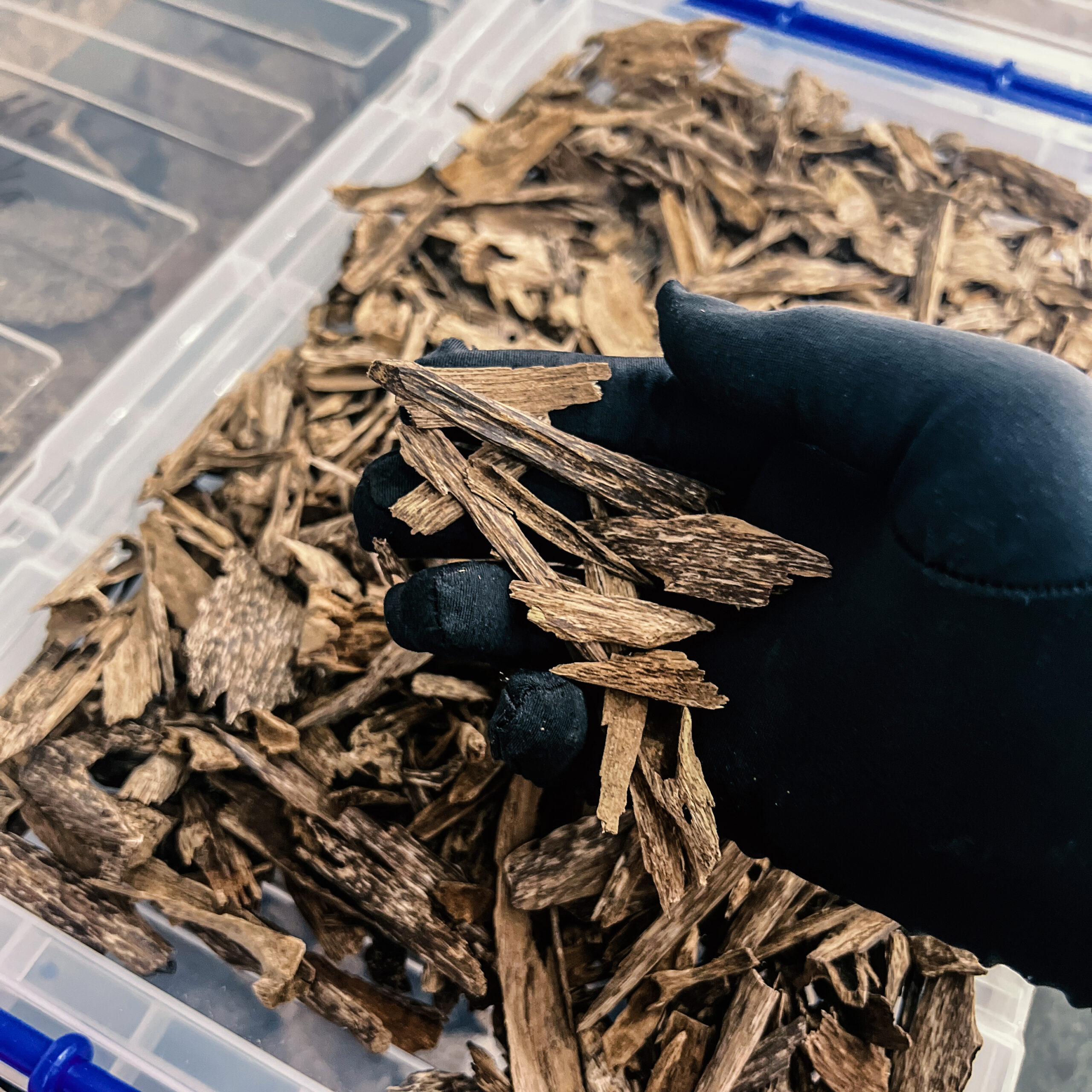
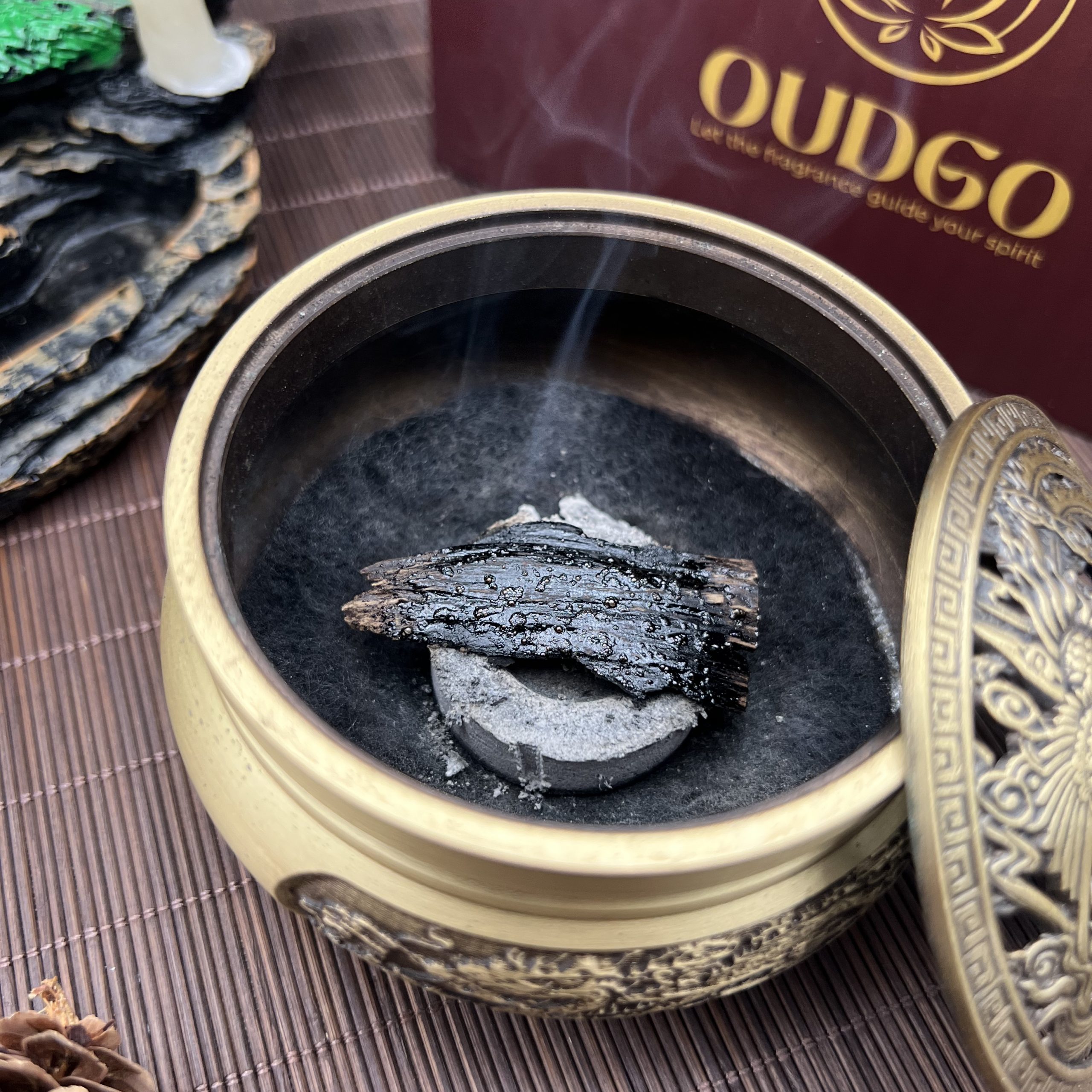
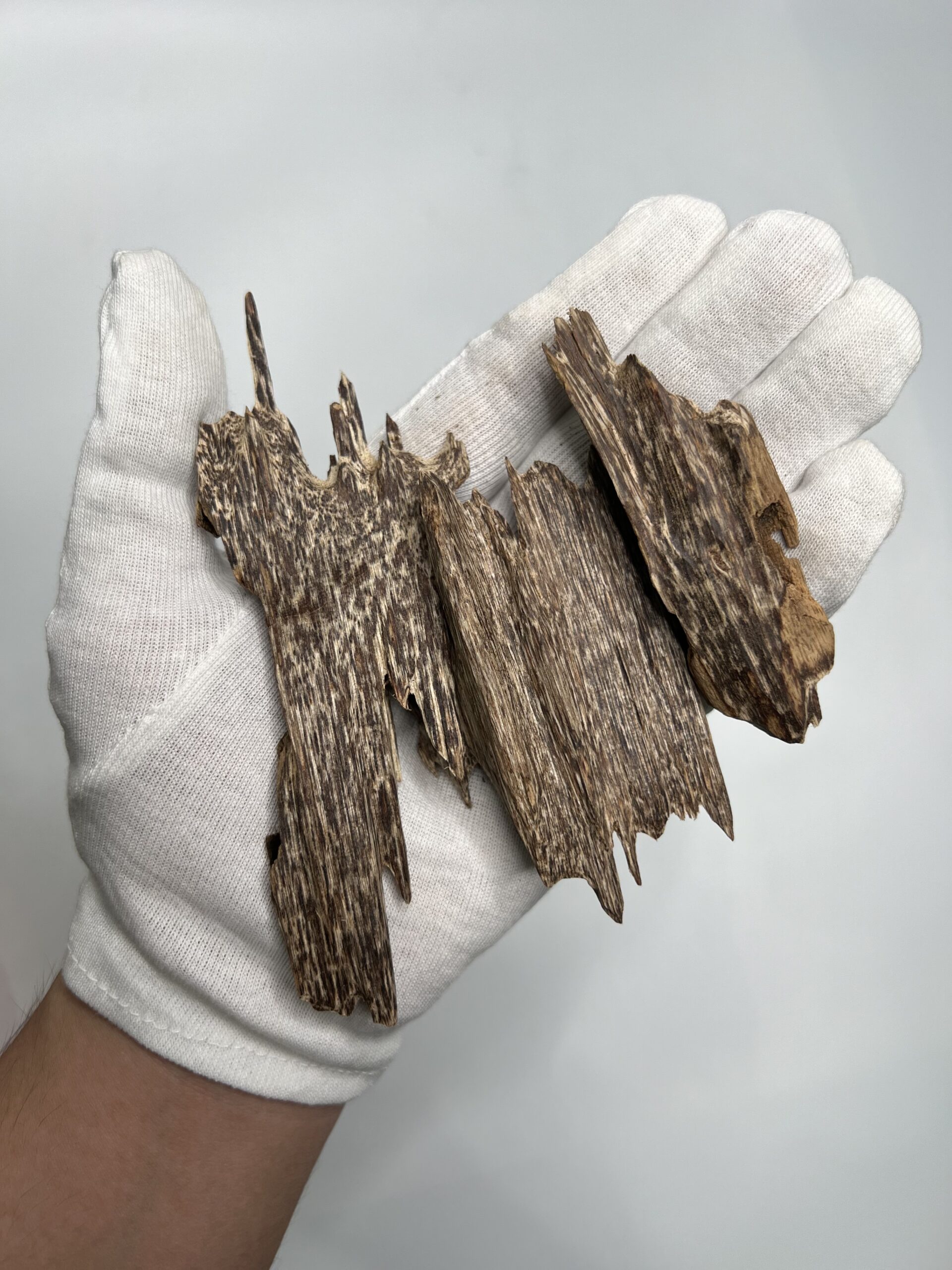
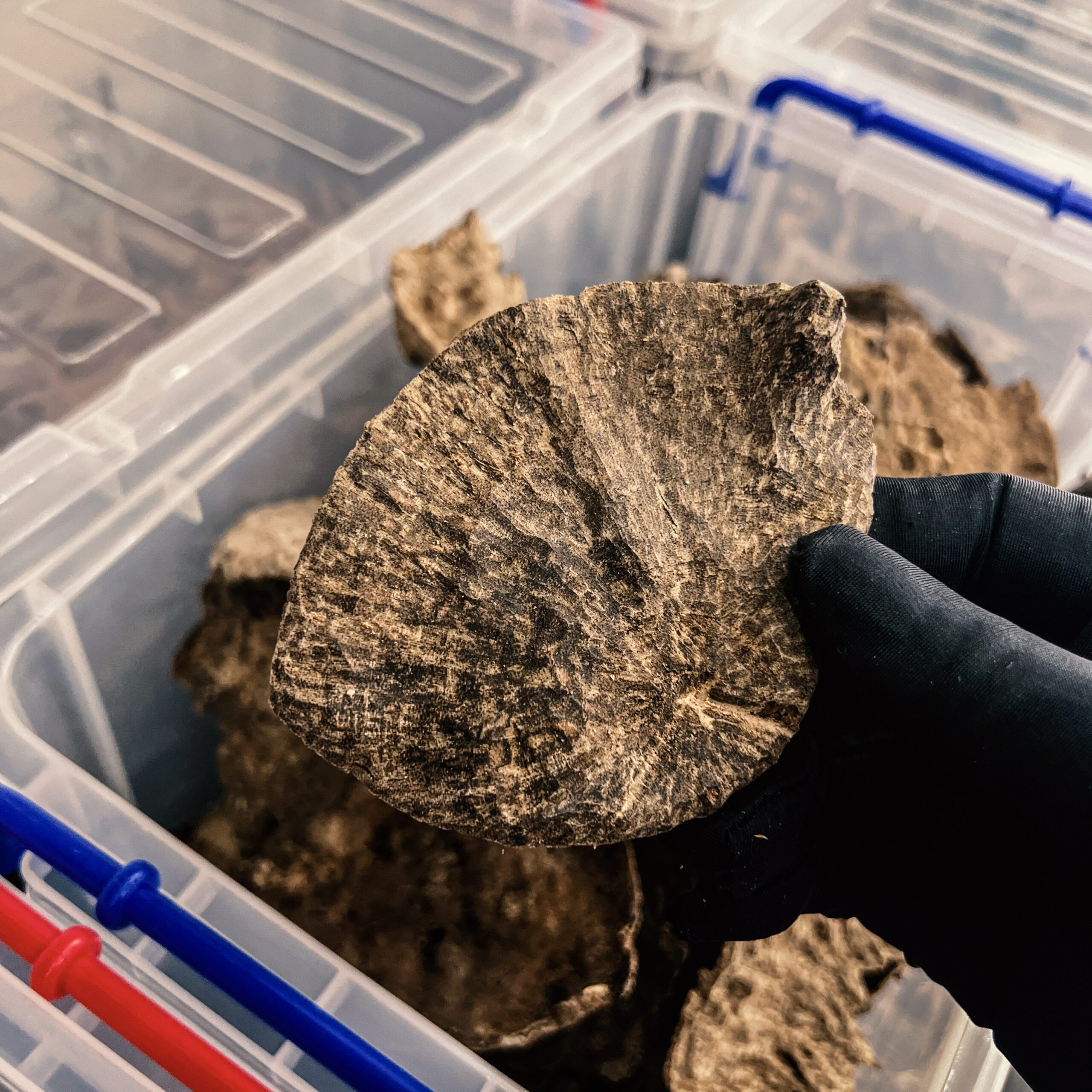
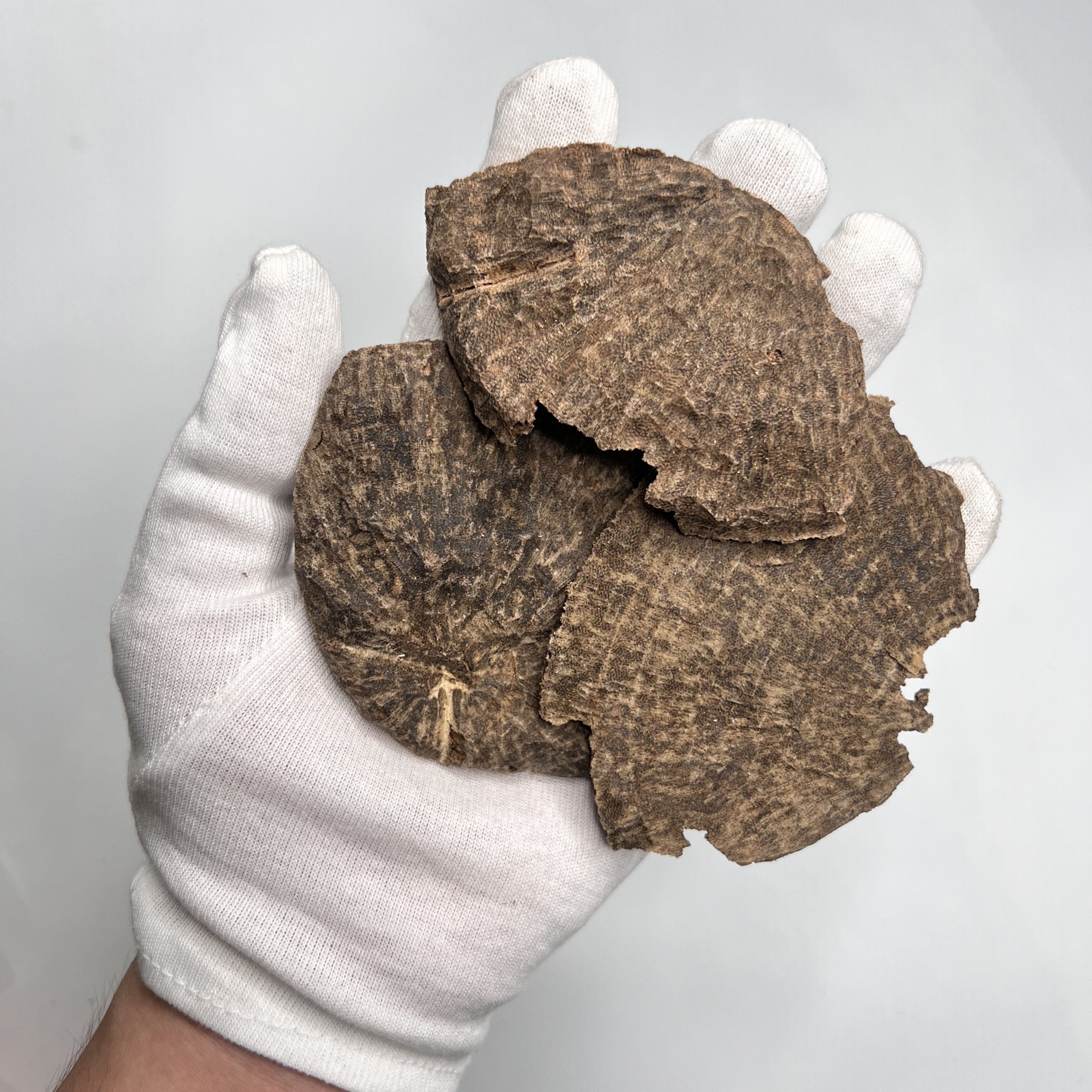
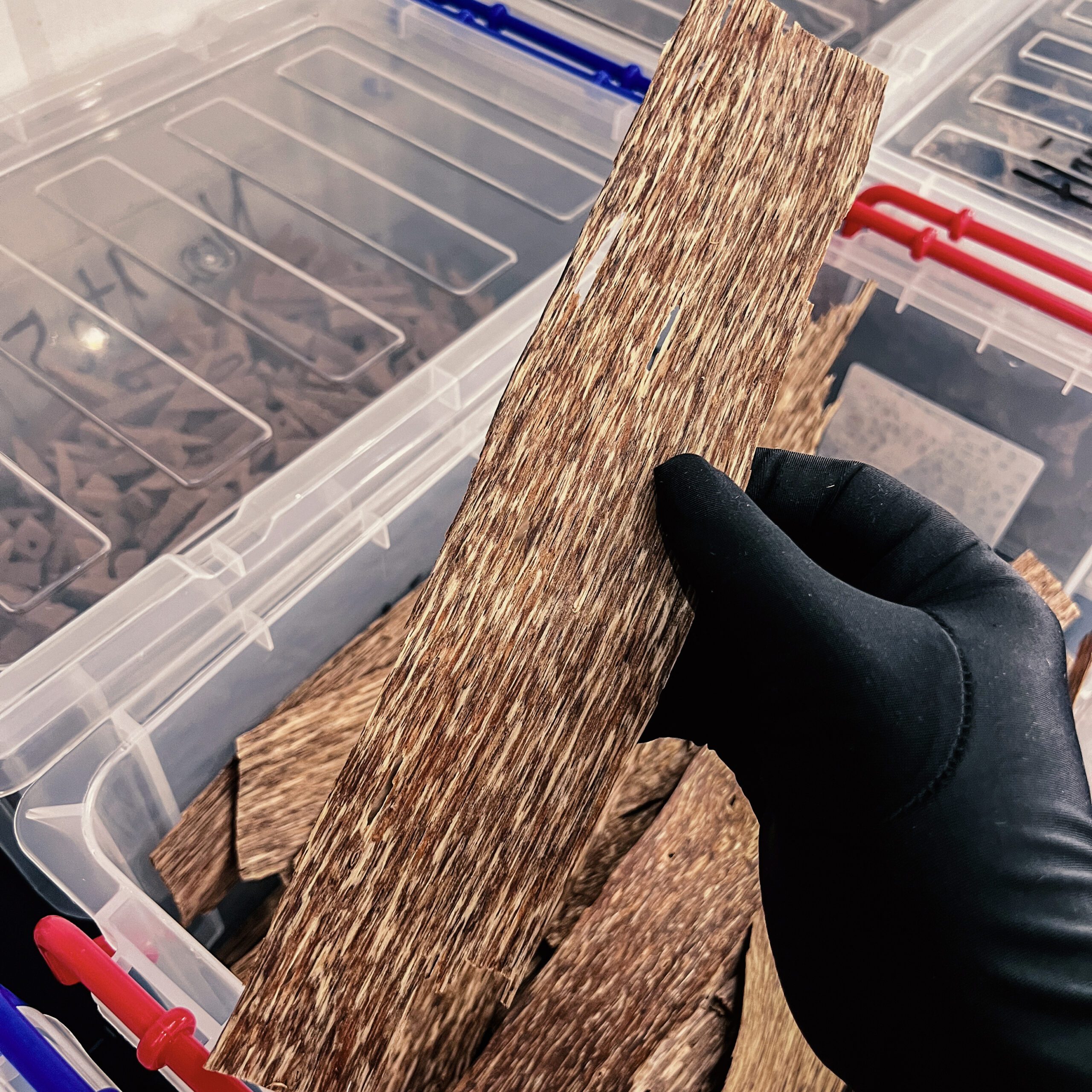
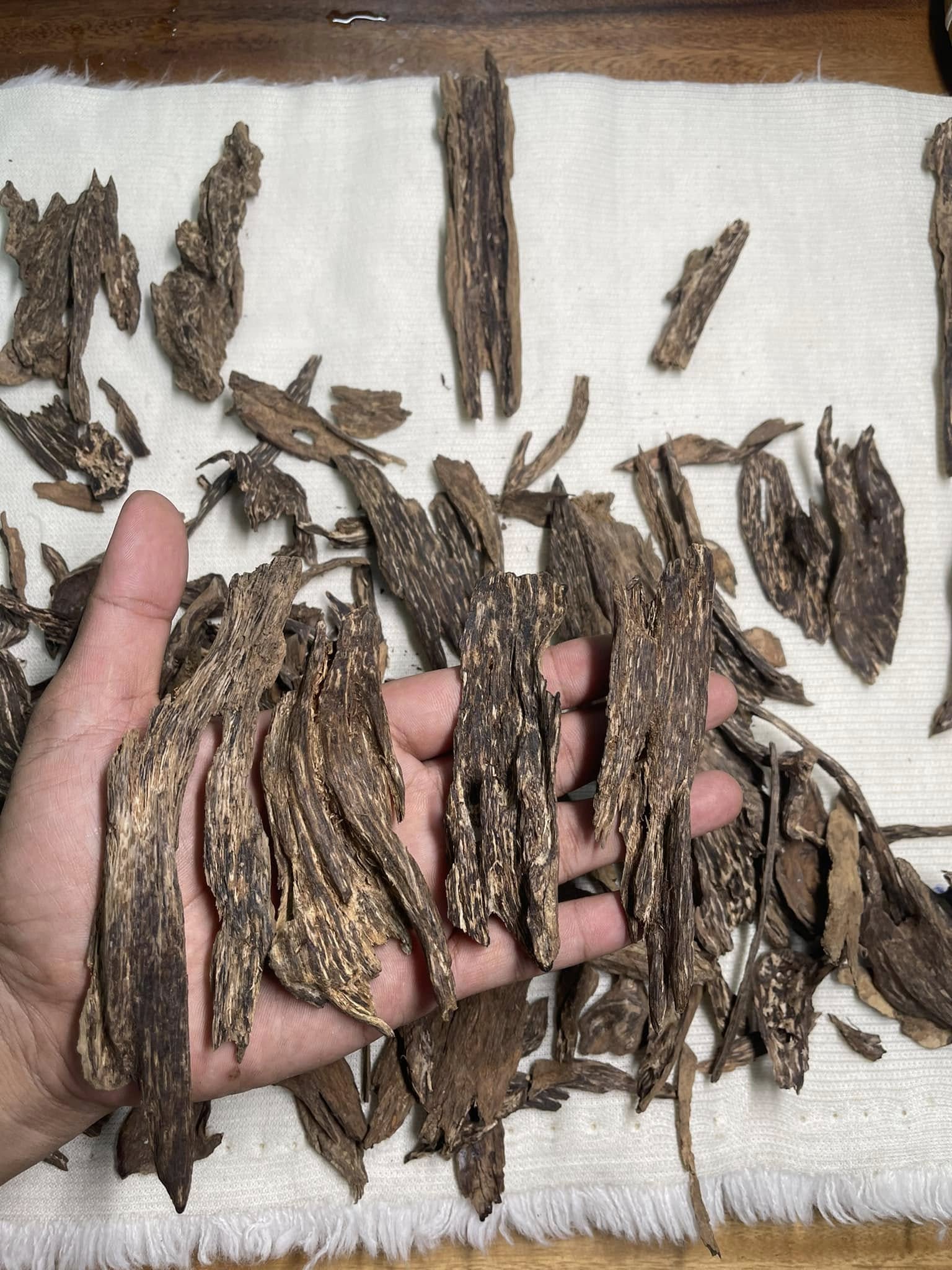
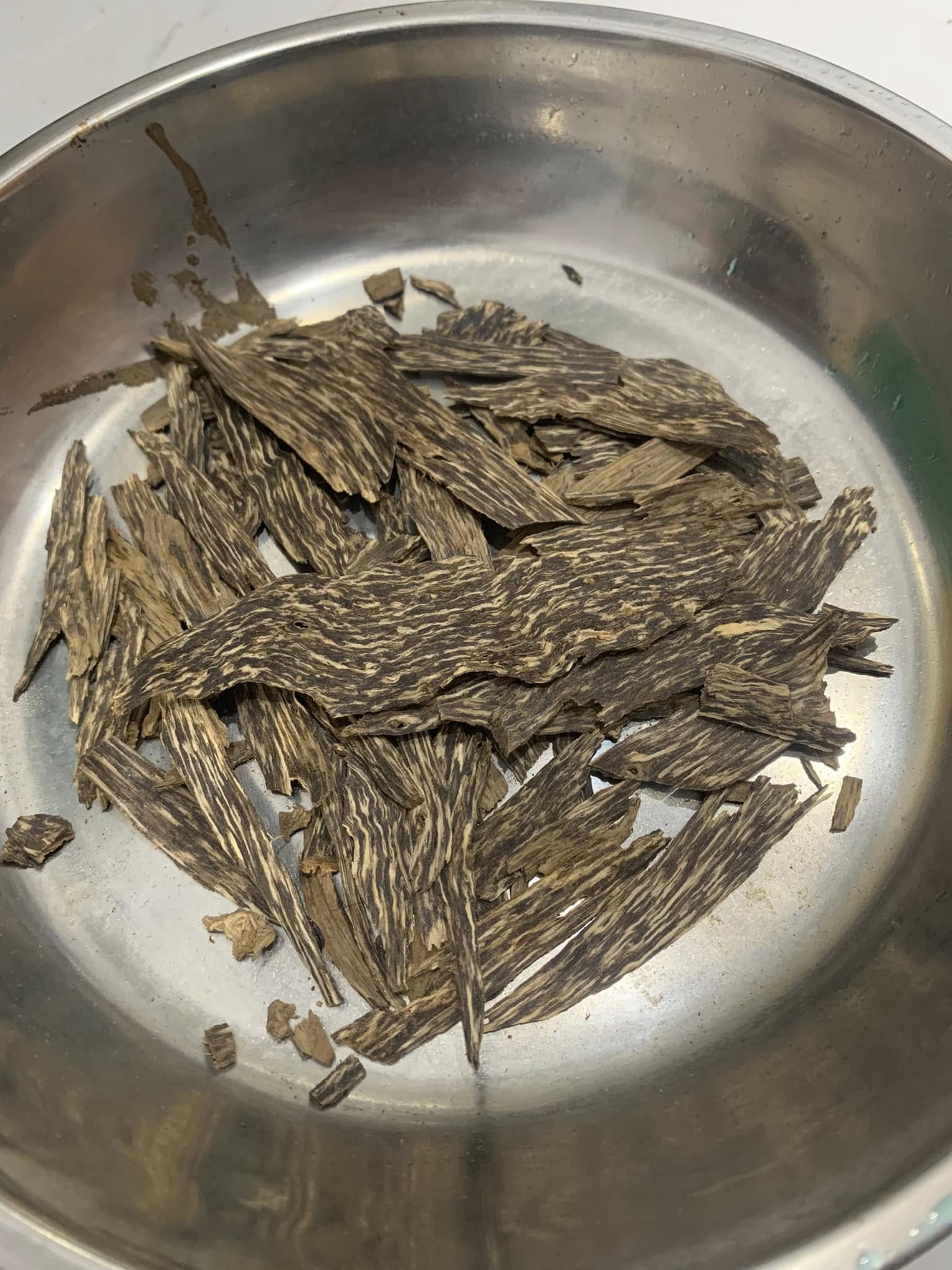
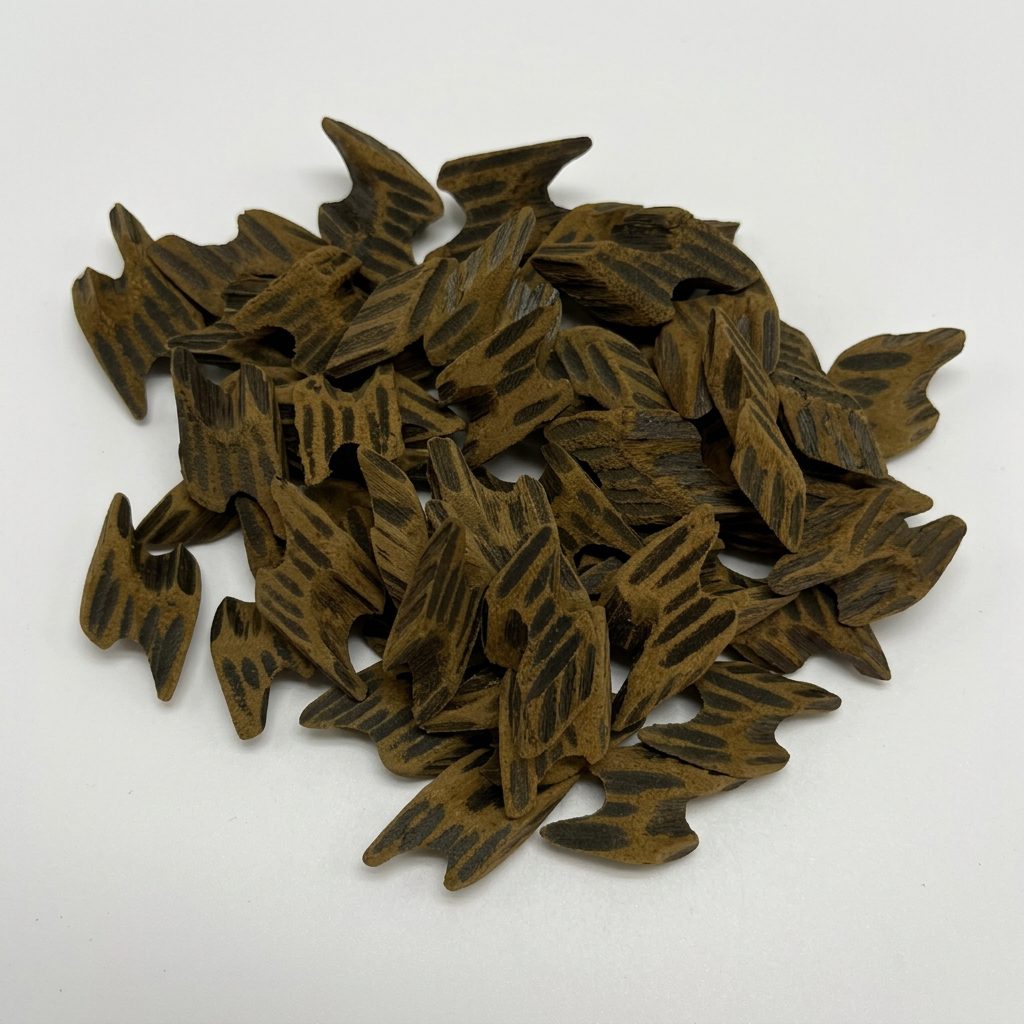
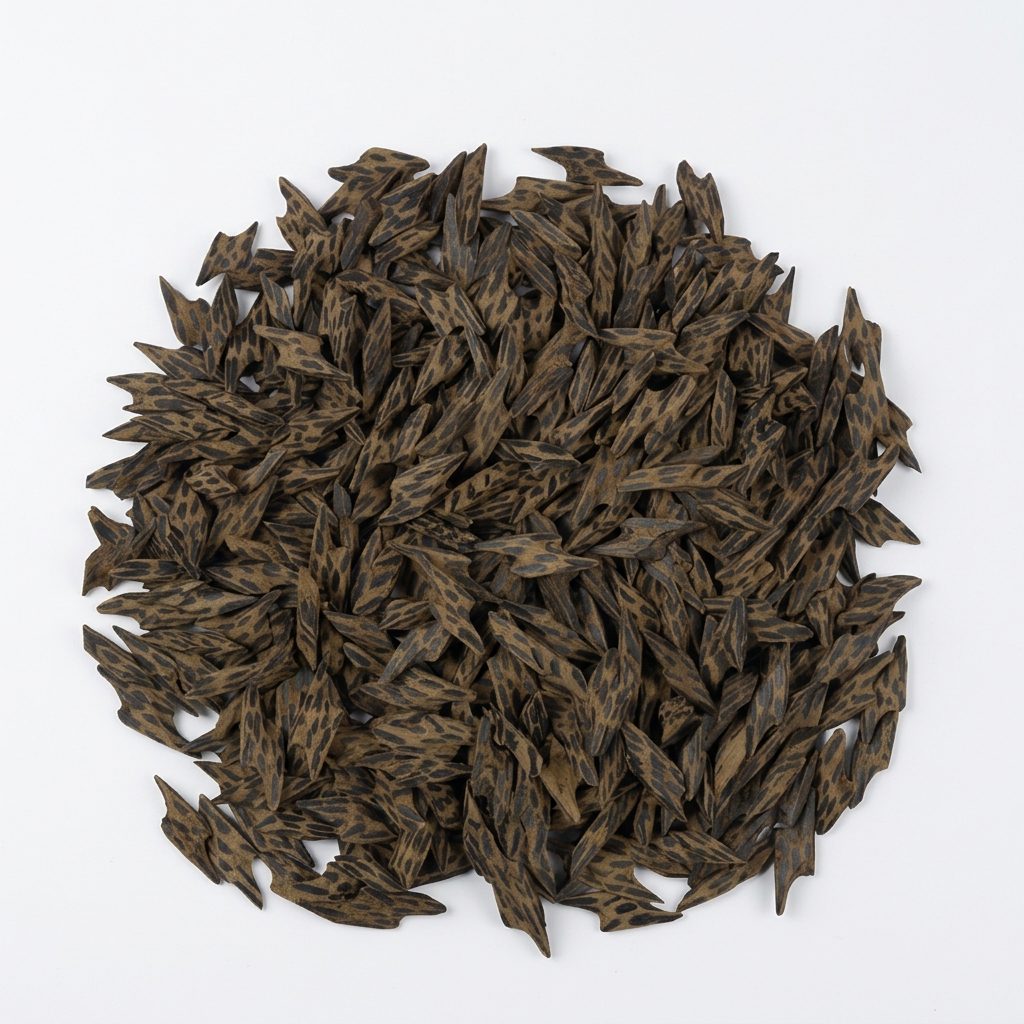
Explore agarwood in its most tactile form and choose a pack that matches how you like to heat and compare aroma.
Our chip collection ranges from small tasting quantities to larger packs and mixed-format pieces. Start with the origin, piece size and pack weight that appeal to you, then use the product photos and live options to make your final choice.
Agarwood chips are pieces of resin-associated oud wood sold for controlled electric heating or open-air outdoor charcoal use. Choose by current lot evidence, net weight, piece size, origin and treatment disclosure—not by colour, price or labels such as “premium,” “sinking” or “kynam” alone.
Quick shopping route- New to oud chips: begin with a small sample or the agarwood starter kit so you can compare several materials before buying a larger weight.
- Prefer gradual aroma: use an adjustable electric burner compatible with wood chips.
- Prefer stronger traditional heat: use incense charcoal only in an open-air outdoor location, in a charcoal-safe burner with an ash or mica barrier.
- Before checkout: verify the photographed lot, net weight, origin statement, added treatment, current stock and shipping destination.
The collection includes loose chips or fragments, flat pieces, compressed oud pellets, char oud and a sample kit. These are different buying formats and should not be treated as one standardized grade.
What are agarwood chips?
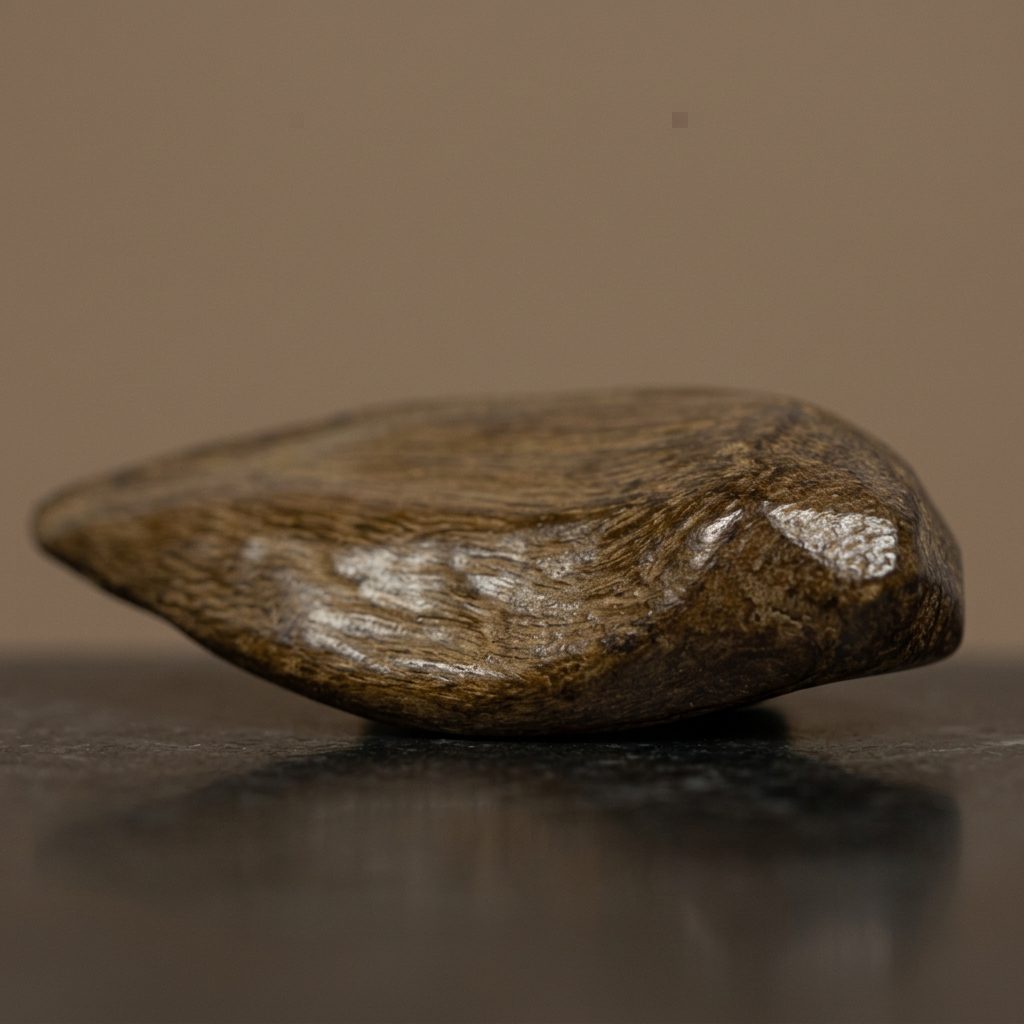
Agarwood chips are cut or naturally separated pieces of resin-associated wood from agarwood-producing trees, commonly species of Aquilaria and Gyrinops. The resinous material develops in localized tissue, so appearance, density and aroma can vary across one piece and within one lot.
“Agarwood,” “oud wood” and “aloeswood” can refer to the same aromatic material, while “oud chips” is a retail description of its wood form. All Aquilaria and Gyrinops species are included in CITES Appendix II, so cross-border trade may require documentation. A country-of-origin claim describes provenance; it does not establish a universal grade.
Which form should you choose?
| Form | What it means | Check before buying |
|---|
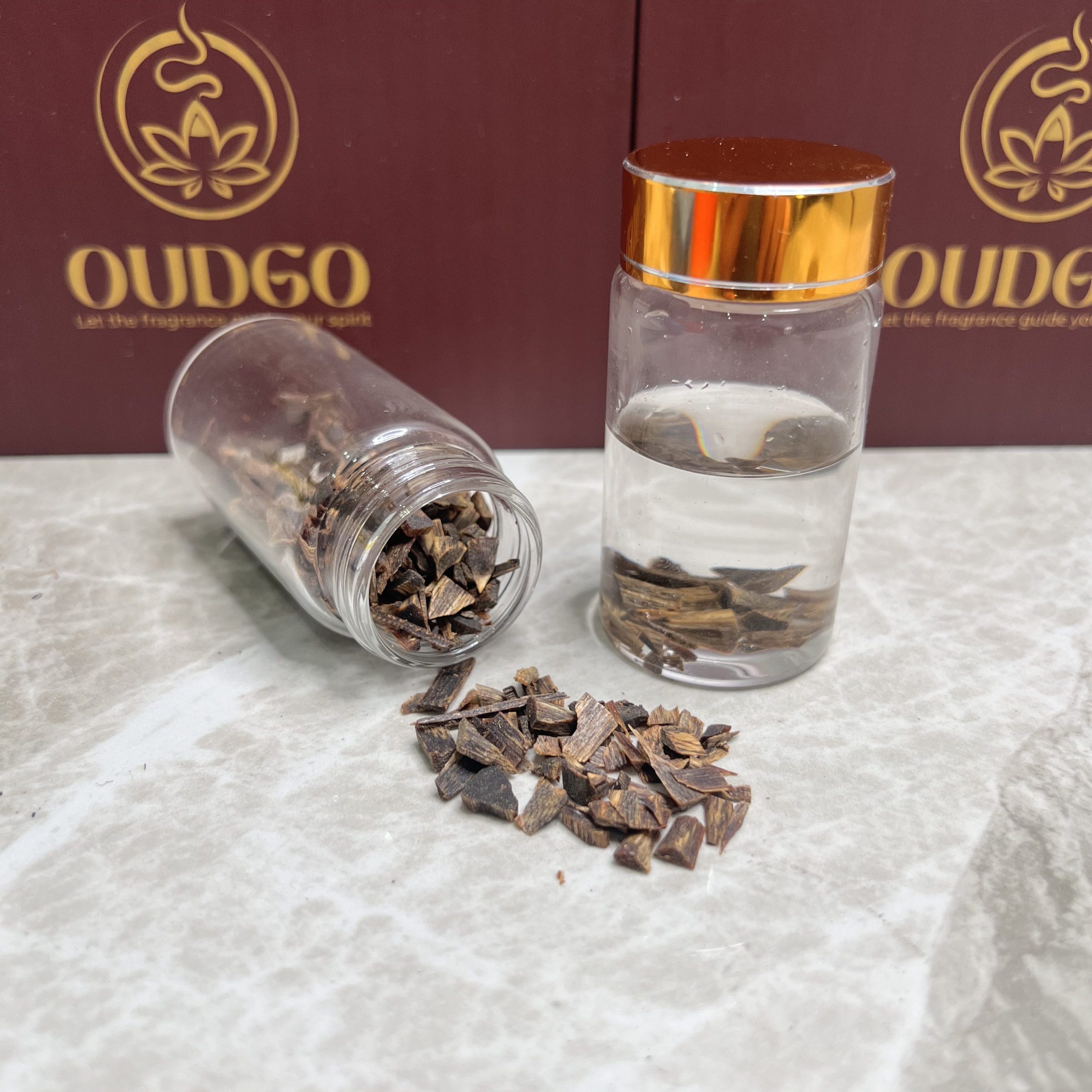
| Loose chips or fragments | Irregular pieces of wood intended for small, controlled portions | Net weight, typical piece range, treatment disclosure and lot photos |
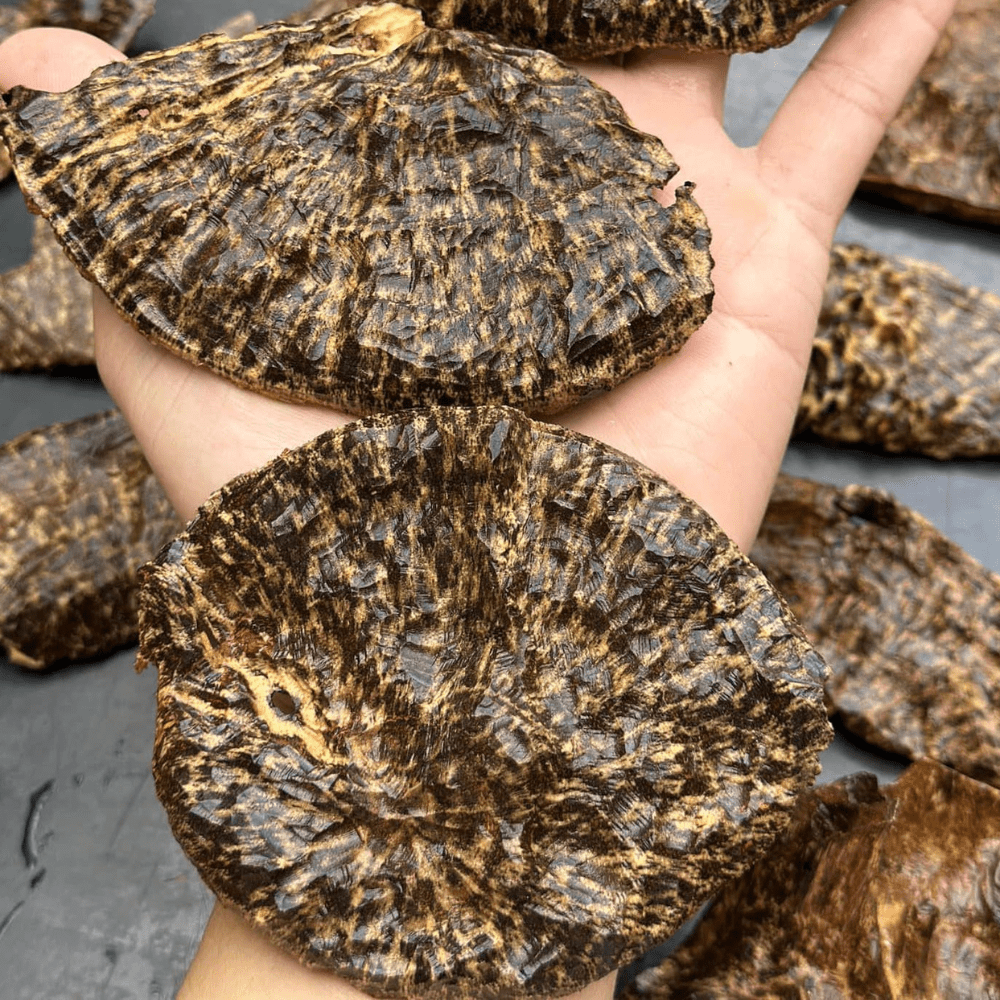
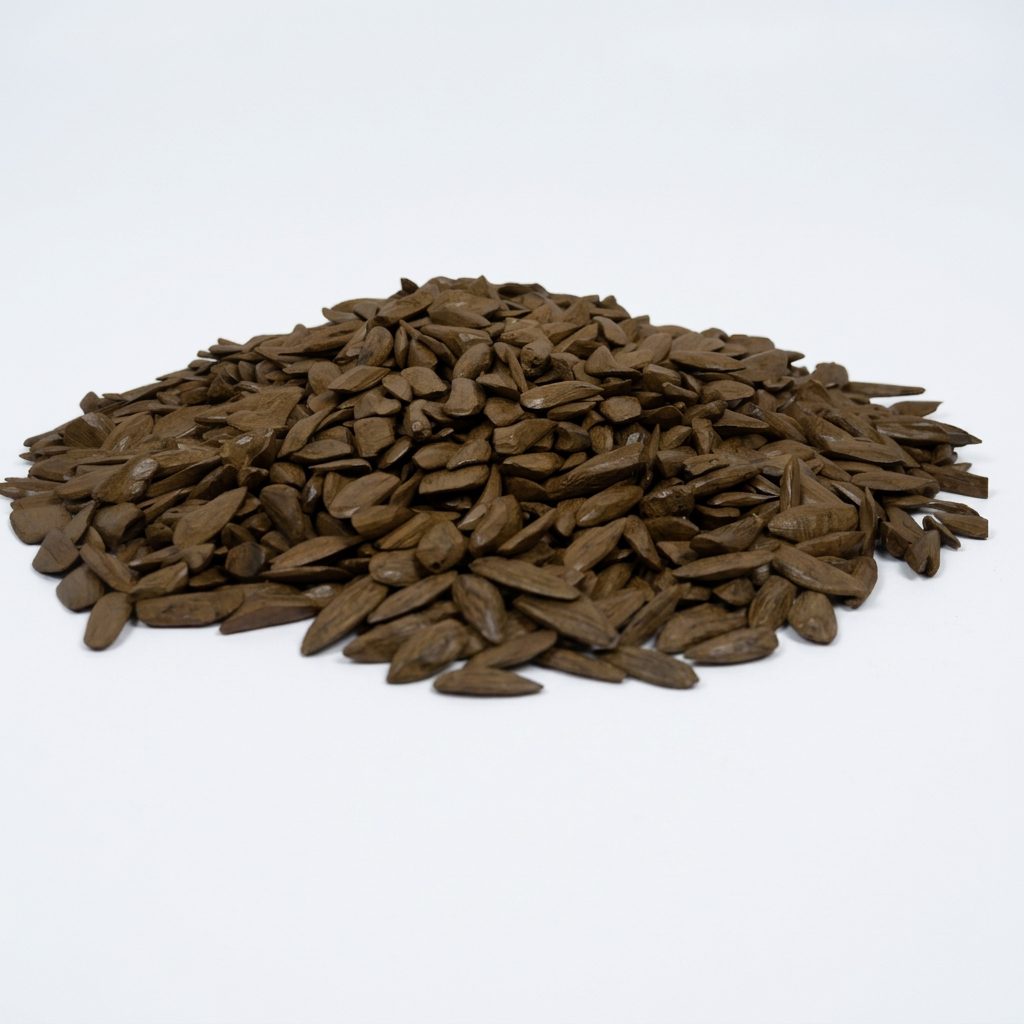
| Flat oud pieces | Thinner surfaces that may respond quickly to heat | Thickness, brittleness, wood-to-resin distribution and pack weight |
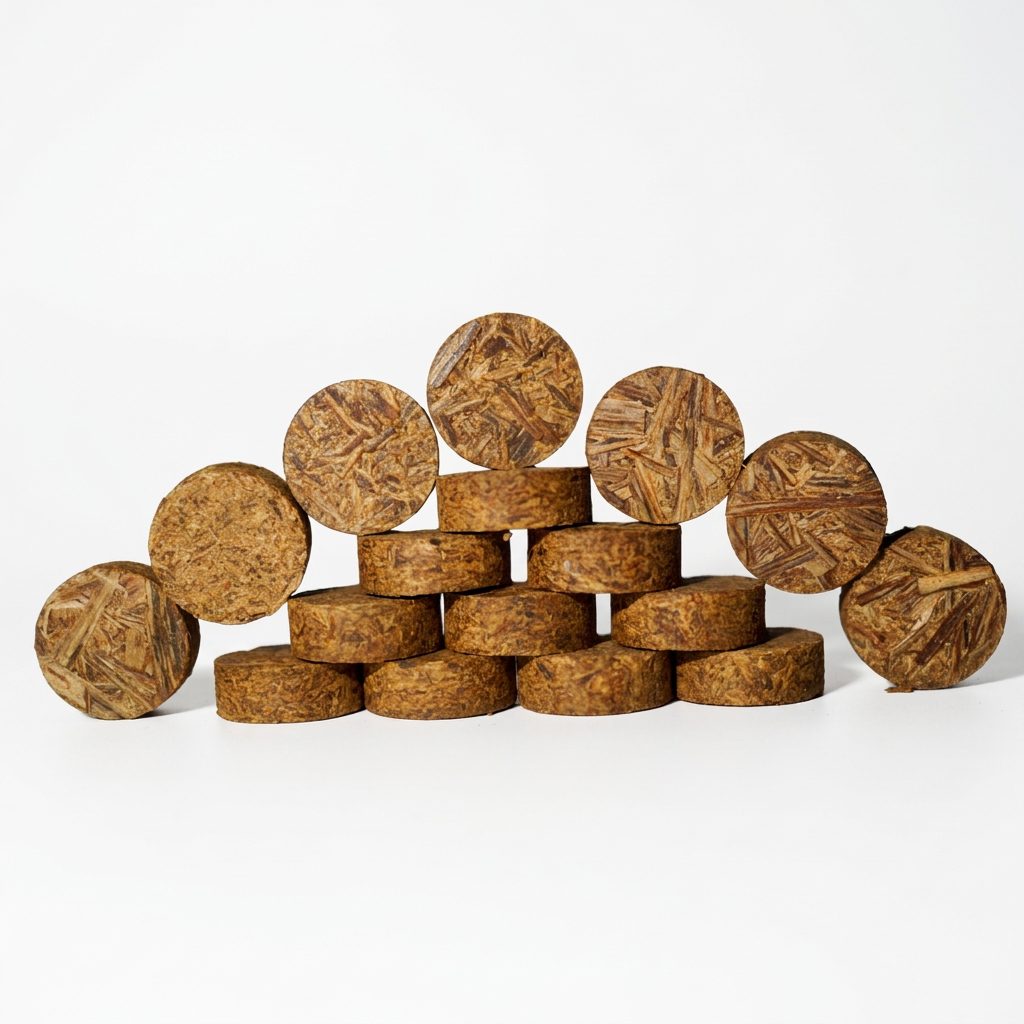
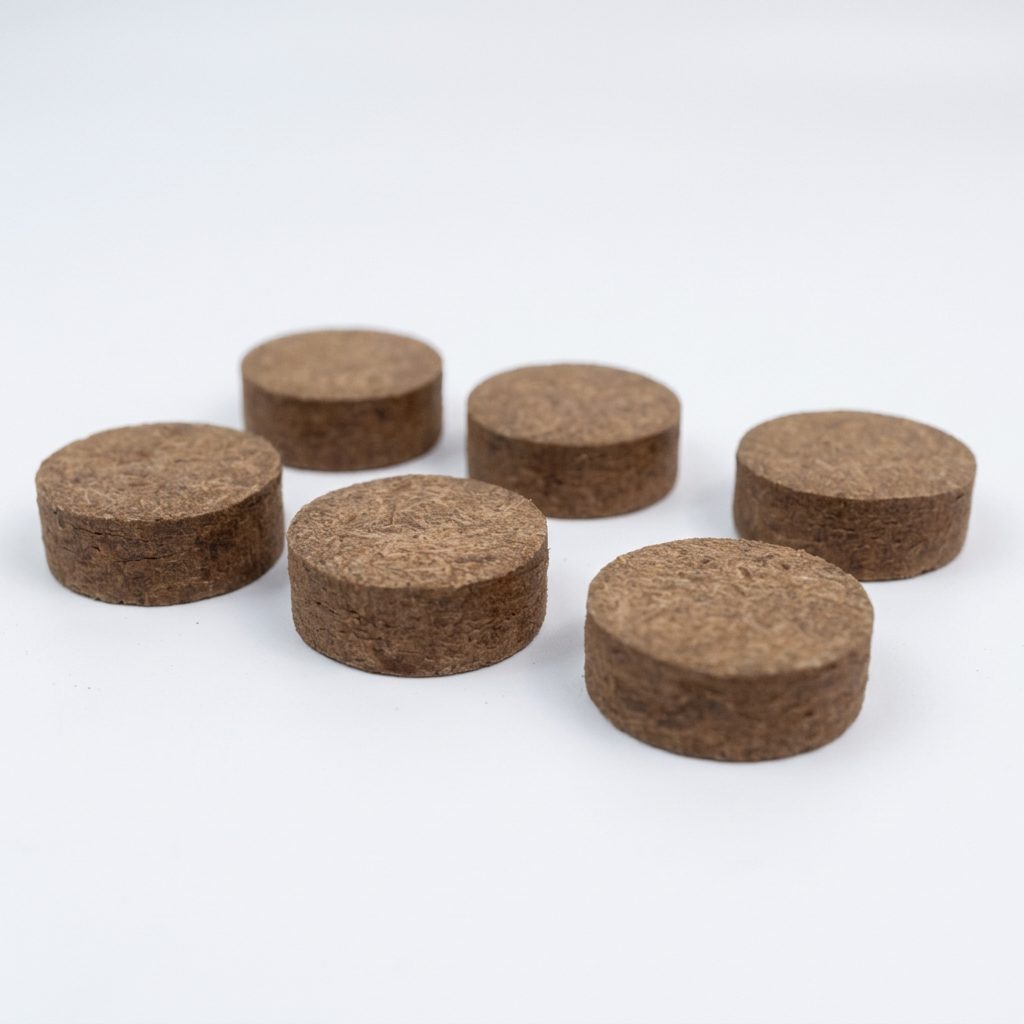
| Compressed pellets | Ground or small material formed into a consistent shape | Binder, added oil or fragrance, pellet weight and recommended heating method |
| Char oud | A processed form rather than an untreated loose chip | Process, ingredients, intended use and whether the photographed form matches the item |
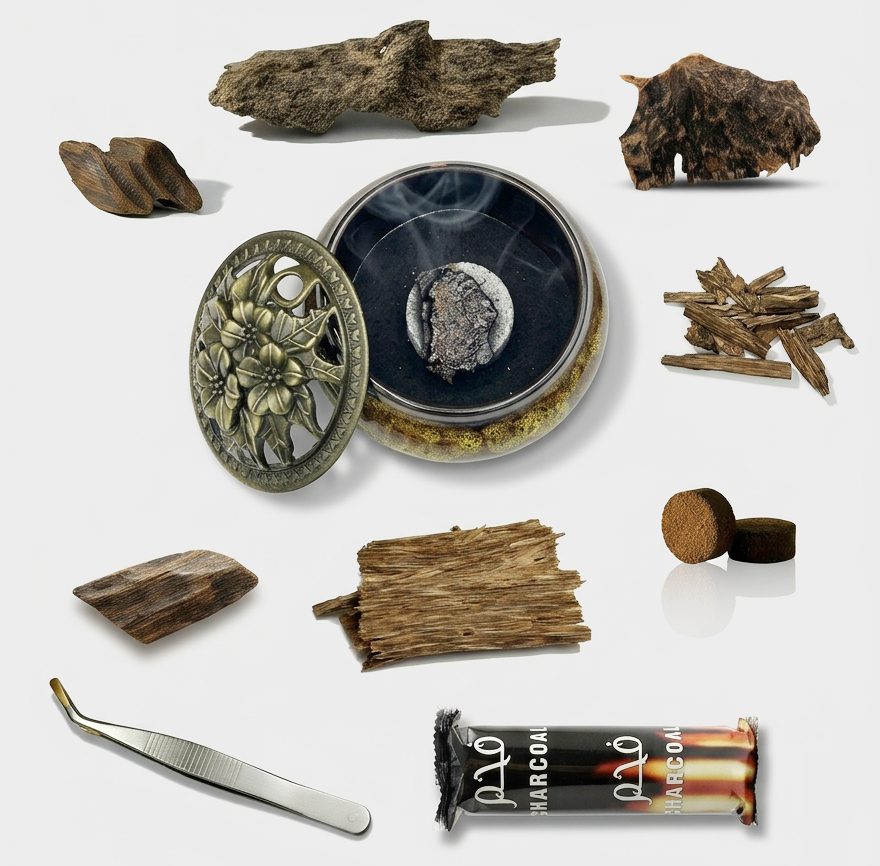
| Starter or sample kit | Several small samples, sometimes bundled with equipment | Sample identity and weight, burner compatibility, charcoal type and included tools |
How should you compare agarwood chip listings?
Compare measurable evidence first: net wood weight, piece-size range, lot-specific photos, known origin, treatment disclosure and return terms. A strong listing separates observations from seller grades and tells you what is unknown.
- Confirm the exact form. Loose wood, pellets and char oud can heat differently even when all use the word “agarwood.”
- Compare net weight, not package size. Decorative boxes and large pieces can make offers look less comparable than they are.
- Ask whether images show the current lot. Resin distribution and colour vary naturally; generic images are not lot evidence.
- Check added treatment. Added fragrance, oil, colour or binder can alter cold smell, smoke and heating behaviour.
- Read the origin statement literally. Vietnamese-origin or Indonesian-origin identifies material provenance only when documented; it is not a claim about the buyer’s market.
- Interpret grade terms cautiously. “A,” “premium,” “sinking,” “kinam” and “kynam” are not one universal retail standard. Ask what test and threshold the seller used.
- Check logistics before buying. Review current stock, pack variation, shipping eligibility, customs responsibility and return terms for your destination.
Compare all 10 Oudgo chip and heating options
Choose a small pack when you want to compare a new material, a larger pack when you already know the exact product, or the starter kit when breadth matters more than the quantity of one sample.
| Product | Format / listed origin | Pack choices | Current sale price | Choose it when |
|---|
| Merauke Agarwood Chips | Loose chips / Indonesia | 5 g, 10 g or 30 g | $15–$75 | You want an Indonesian-origin loose-chip option |
| Vietnamese Root Bark Chips | Root-bark pieces / Vietnam | 5 g, 10 g or 30 g | $29–$155 | You want this specific seller-described wood section |
| Vietnamese Tiger Chips | Loose chips / Vietnam | 5 g, 10 g or 30 g | $12–$75 | You want the lowest current entry price for loose chips |
| Compressed Agarwood Pellets | Formed pellets / Vietnam | 5 g, 10 g or 30 g | $10–$79 | You prefer a consistent formed shape over irregular wood |
| Vietnamese Ant Nest Fragments | Small fragments / Vietnam | 5 g, 10 g or 30 g | $22–$109 | You want smaller pieces under this seller trade label |
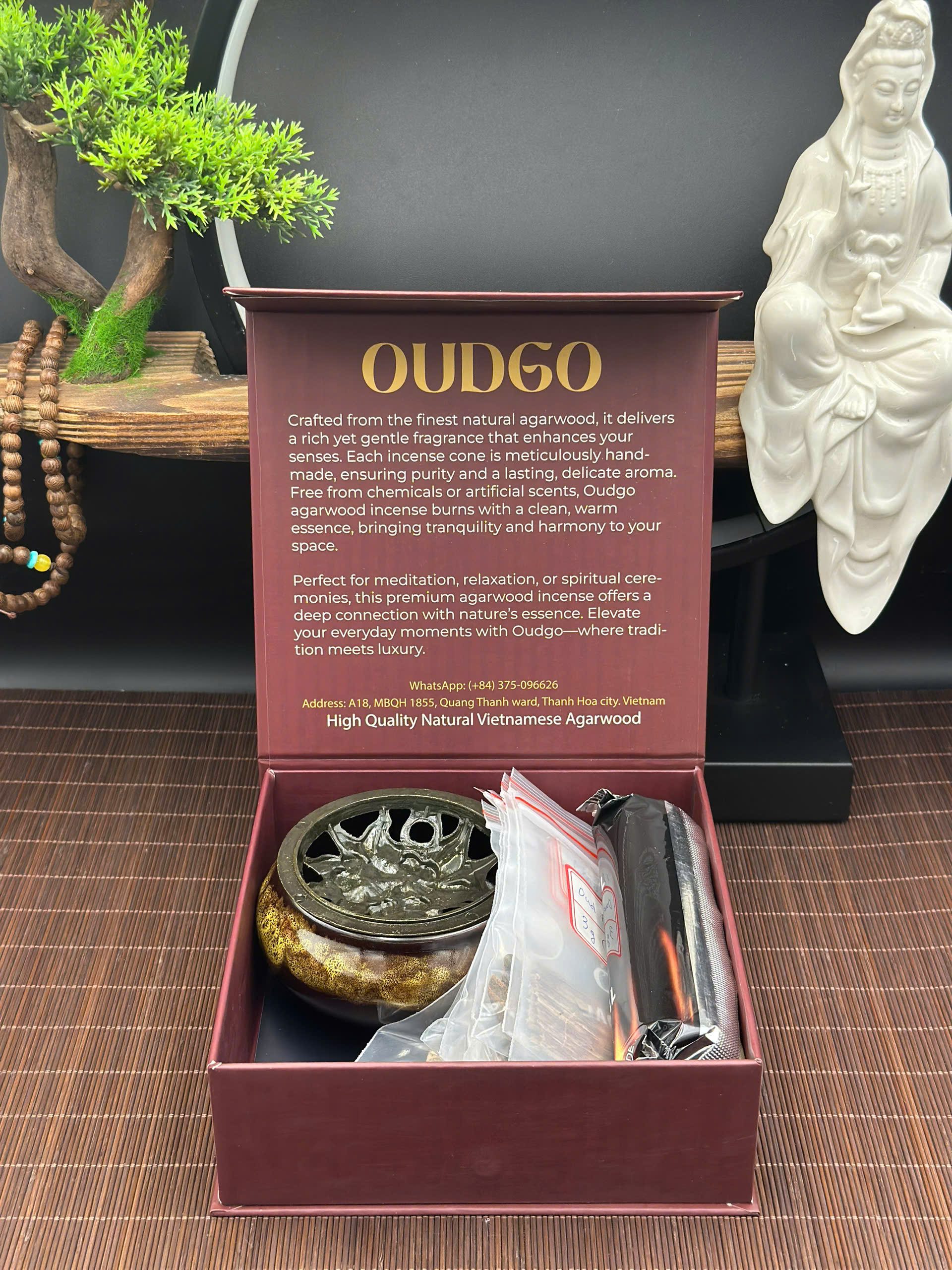
| Agarwood Starter Kit | Seven samples + burner set | One kit | $75 | You want to compare several labeled samples in one order |
| Ky Hainan Agarwood Chips | Loose chips / China-origin label | 5 g, 10 g or 30 g | $45–$239 | You understand “sinking grade” is a seller tier to verify |
| Vietnamese Ant Nest Whole Pieces | Whole pieces / Vietnam | 5–30 g; 2–25 cm labels | $25–$185 | You want larger visible pieces rather than small fragments |
| Vietnamese Flat Agarwood Chips | Flat one-/two-sided options / Vietnam | 5 g, 10 g or 30 g | $12–$75 | You prefer a thin presentation that responds quickly to heat |
| Vietnamese Char Oud Chips | Processed char-oud options / Vietnam | 5 g, 10 g or 30 g | $15–$289 | You specifically want this processed form, not an untreated chip |
Prices, packs and catalog labels checked August 14, 2026. Open the product page and selector for the final live combination, stock and report coverage.
How do you use agarwood chips?
Warm a small piece gradually on an adjustable electric burner; if you choose charcoal, use it only in an open-air outdoor location above fully ignited charcoal with an ash or mica barrier. Electric heat is easier to repeat; charcoal is hotter, faster and usually smokier. Direct flame can scorch the wood and is not recommended.
Follow the complete how-to-burn agarwood chips guide for step-by-step electric and charcoal methods, warning signs for excess heat, ventilation and cooling. For equipment, compare electric incense burners and the broader incense burner collection; never assume every holder supports hot charcoal or wood chips.
What can appearance and density tell you?
Appearance and density are observations, not standalone proof of authenticity or scent quality. Dark colour may reflect resin distribution, heat, moisture, age or treatment. A chip’s sinking behaviour is influenced by its size, structure, moisture and density. A strong cold aroma can be natural, but it can also be affected by added fragrance or storage beside other aromatic materials.
Use several signals together with the real-versus-fake agarwood guide. For a transparent evidence hierarchy, read the agarwood quality and grading guide.
Does origin determine the scent?
Origin can provide context, but it does not guarantee one scent profile. Species, tree, resin formation, wood section, processing, storage, sample size and heating method can all affect perception. Product descriptions such as woody, sweet, earthy, leathery, balsamic or spicy are sensory notes, not chemical certificates.
Use the same burner, approximate sample size, room and heat progression when comparing two lots. Record observations without seeing the label if possible. The agarwood scent guide explains a repeatable comparison protocol.
Safety and indoor use
- For electric heating, use a stable, non-combustible burner designed for wood chips, provide room ventilation and begin at a low setting.
- Never burn charcoal indoors. Use charcoal only in open-air outdoor space away from doors, windows and vents.
- Keep hot equipment and charcoal away from curtains, paper, dry vegetation, children and pets. Avoid deliberately inhaling smoke.
- Never leave an electric burner, glowing charcoal or smoldering material unattended.
- Allow the chip, burner, ash and charcoal to cool completely before handling or disposal.
- Stop use if smoke causes irritation, headache, coughing or breathing discomfort.
We offer agarwood chips for aroma appreciation and careful heating, not as a health treatment. The CDC warns that burning charcoal produces carbon monoxide, and the U.S. Consumer Product Safety Commission says not to burn it inside homes, vehicles, tents or other enclosed spaces. A window, fan or room ventilation does not make indoor charcoal safe.
Storage
Store chips dry, shaded and separated from perfume, detergent, smoke and other strong odours. Keep each lot in a clean, well-closing container with its product name, purchase date and known origin. Do not add perfume oil to “refresh” the wood because that changes both the sample and its heating behaviour.
Agarwood chips FAQ
Are agarwood chips the same as incense?
No. Chips are wood pieces that require an external heat source. Finished incense sticks, cones and coils usually contain powders, binders or cores and are formulated to smolder.
Are oud chips and agarwood chips the same?
They are commonly used as equivalent retail terms for resin-associated agarwood. Read the material and treatment description because “oud” is also used for fragrances and compounded products.
Are darker chips always higher grade?
No. Colour alone cannot separate resin distribution from moisture, heat, age, photography or added treatment. Ask for multiple forms of evidence.
Should I buy sinking agarwood?
Only if the seller defines how the claim was tested and the rest of the lot evidence supports your needs. Sinking behaviour does not guarantee authenticity, scent preference or value.
Can I use agarwood chips in a stick holder?
Not unless the product includes a stable, heat-safe surface specifically designed for chips and the chosen heat source. A narrow stick hole is not enough for charcoal or a hot plate.
Next step: compare the available products above by form, net weight, specifications, current price and stock. If lot origin, treatment, included tools or shipping details are missing, ask Oudgo before purchase rather than inferring them from the product name.
Sources and disclosure
Sources and shopping note: Trade context follows the official CITES timber guide; smoke caution is informed by published incense-emissions measurements; open-flame placement and supervision follow U.S. Fire Administration safety principles; charcoal restrictions follow the CDC and CPSC sources linked above. Product facts must be confirmed on the live product page because stock, variants and specifications can change.