
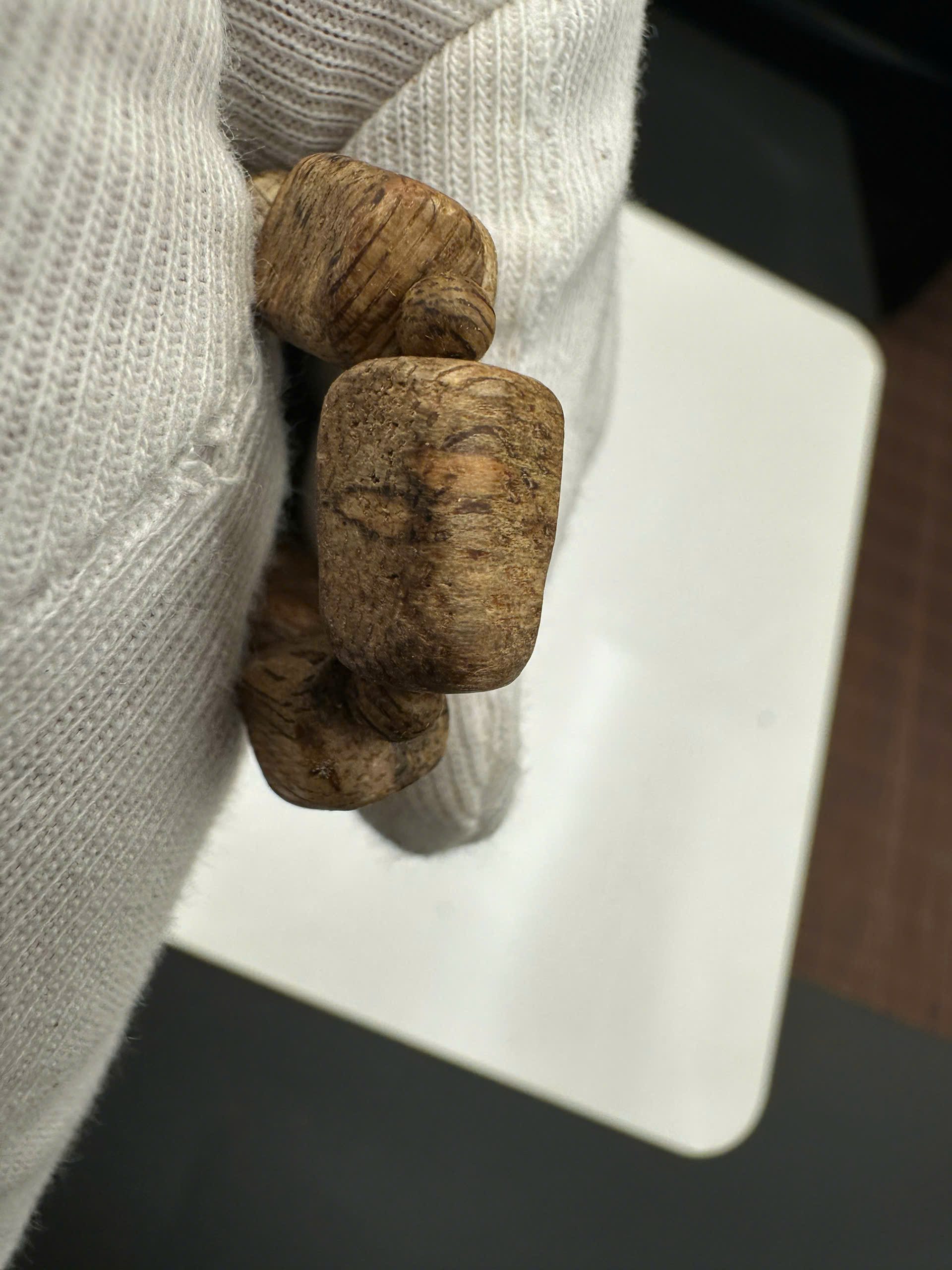
What Is Tasbih? Meaning, Names and Respectful Use
Tasbih is a word used in Islamic contexts for remembrance and praise of God, and it is also commonly used for a strand of prayer beads that can help a person keep count during that practice. The language, bead structure, and customs surrounding the object vary across communities. A respectful introduction therefore explains what is widely recognizable, names where variation exists, and avoids turning a religious object into generic decor or a substitute for religious instruction.
What tasbih means and how the word is used
In Arabic usage, tasbih is associated with glorifying or praising God. In everyday speech across many communities, the word can also refer to the physical strand used while reciting devotional phrases. That overlap is understandable, but it is useful to separate the practice from the object: the beads are a tool; the remembrance is the devotional act.
Prayer beads appear in many religious traditions, yet they are not interchangeable. A tasbih belongs in a specific Islamic cultural and religious context. Calling every strand of beads a tasbih can erase those differences. When discussing the object, use the terms preferred by the community or seller and avoid assuming that a material or bead count gives the same meaning everywhere.
The British Museum describes Islamic prayer beads under the names misbahah, tasbih, and subhah, and notes their use as counting devices for dhikr in a collection record. That record is a helpful material-culture reference, not a guide to how every Muslim community practices.
Tasbih, misbaha, subha and tasbeeh: a terminology map
Several transliterations appear in English: tasbih, tasbeeh, misbaha or misbahah, and subha or subhah. Spelling often reflects Arabic transliteration, regional language, and local pronunciation. In Turkish contexts, tespih is another familiar related term. A product or article can use one spelling for clarity while recognizing that other names may be correct in their own linguistic settings.
| Term you may see | Helpful context | Respectful note |
|---|---|---|
| Tasbih / tasbeeh | Can describe remembrance and, in common speech, the bead strand | Meaning depends on language and context |
| Misbahah / misbaha | Often used for an Islamic prayer-bead strand | Spelling varies in English |
| Subha / subhah | Another name for a strand of prayer beads | Regional usage differs |
| Tespih | Common related Turkish usage | Do not assume one regional term is universal |
Names are not a ranking system. They can point to language, region, or family practice rather than a different level of authenticity. If you are buying a strand as a gift, ask the recipient or a knowledgeable member of their community which term and form feels appropriate.
How beads support remembrance and counting
A bead strand can help a person count repeated devotional phrases without losing their place. The tactile movement from bead to bead may create a steady pace and let the person focus on recitation or reflection. The strand does not produce devotion by itself; it is an aid used within a personal and communal religious practice.
Museum records show that prayer beads have been made from many materials, including wood, seed, coral, glass, and other substances. Material can carry aesthetic, regional, economic, or personal meaning, but it does not make one person’s remembrance more valid than another’s. The British Museum’s record of a 99-bead subhah and the Metropolitan Museum’s description of subha strands provide examples of historical objects, not a standard every user must copy.
For broader context on agarwood in religious and ritual settings, see Agarwood in Religion and Rituals. The page gives context but should not be read as speaking for every Islamic tradition.
Common bead counts without claiming one universal rule
Strands with 33 or 99 beads are widely recognized patterns in many Islamic contexts. A 99-bead strand is often connected in cultural explanations to the ninety-nine beautiful names of God; some strands use divider beads or a larger terminal bead to help the user feel where a section or circuit ends. A 33-bead strand may be used in repeated cycles, and other lengths or structures also exist.
These patterns are common, not a universal rule that defines every community or every practice. Bead counts, recitation sequences, and terminology can differ by school, region, family, and personal guidance. It is better to say that certain counts are often encountered than to tell a reader that there is only one correct number.
For a focused discussion of commonly seen count patterns and their limits, read 33 vs 99 Tasbih Beads: Counts and Practice. When practice-specific questions matter, ask a trusted local religious teacher or community member rather than relying on a commercial page.
Respectful handling and context
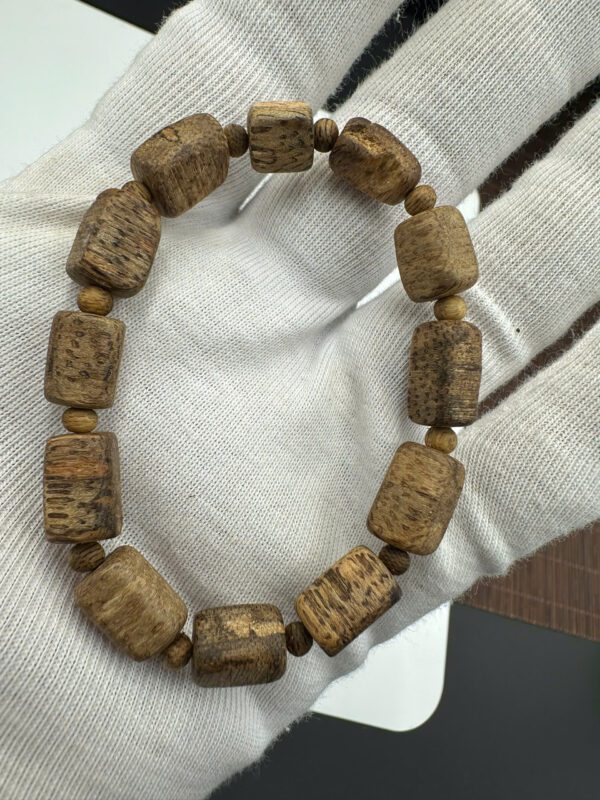
Respect begins with intention and context. Keep a tasbih clean, store it carefully, and avoid treating it as a toy, costume prop, or item to be casually passed around without regard for the owner’s practice. In shared spaces, ask before handling someone else’s prayer beads. A strand may be a personal devotional aid, a family object, or a meaningful gift.
Respectful handling does not require inventing rules that a particular community has not taught. Avoid making broad claims about purity, compulsory handling procedures, or guaranteed spiritual effects. Communities and individuals may have their own expectations. When you are uncertain, the considerate choice is to ask, follow the owner’s lead, or refrain from using the item.
Photographs and product descriptions should likewise avoid reducing prayer beads to an exotic accessory. The setting, language, and purpose should make clear that the object has religious and cultural meaning beyond its visual material.
Where cultural explanation ends and religious instruction begins
A cultural guide can explain that tasbih is associated with dhikr, introduce common names, and note that counts vary. It should not prescribe a mandatory recitation, decide which practice is valid, or claim authority over a reader’s religious obligations. Those questions belong with qualified teachers and the reader’s own community tradition.
This boundary matters because Islam is not a single uniform cultural display. Historical objects in museums show diversity of material and place; they do not settle current religious practice. The most accurate language uses terms such as often, commonly, or in some communities when evidence supports variation, and it names uncertainty when a general page cannot responsibly resolve it.
Choosing prayer beads without reducing them to decoration
If you are choosing a tasbih for yourself, begin with the form that fits your intended practice and personal comfort. Consider bead size, strand length, durability, and whether the materials are described honestly. A larger bead may be easier to move by touch; a smaller bead may be more portable. The most expensive material is not automatically the most appropriate.
If you are buying for someone else, a respectful conversation is better than guessing. Ask about preferred count, material, terminology, and whether a particular style has community significance. Avoid presenting the item as a generic stress tool or a fashion item when the recipient understands it as a devotional object.
Terminology may also overlap with regional product names, so consult a clear reference such as the Oudgo agarwood terminology glossary for material words, while keeping religious interpretation separate from a product description.
Material does not decide devotion
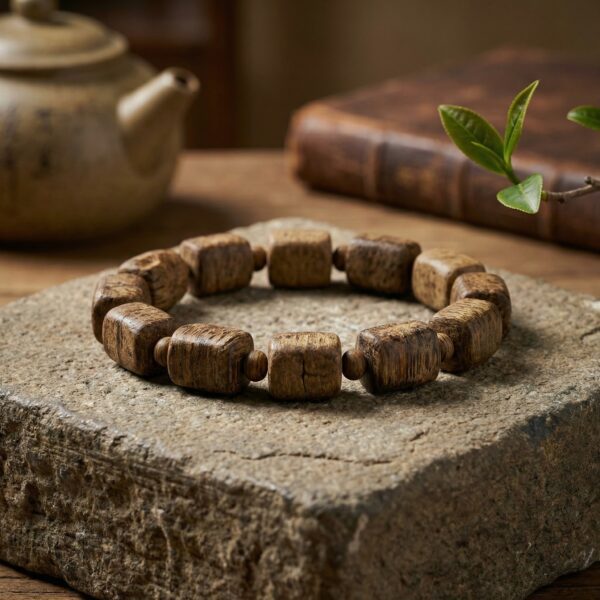
Wood, seed, stone, resin, glass, and other materials may carry history or personal preference. None of them makes a strand automatically more spiritually meaningful than another. Choose responsibly sourced, well-made material without making claims it cannot support.
Use precise language when sharing the topic
When writing or speaking about tasbih, name the Islamic context, acknowledge regional variation, and avoid using the object as shorthand for a culture you do not explain. Precision is one practical form of respect.
Why a terminology map is more useful than a rigid definition
English-language search results can make one spelling or one bead count appear universal simply because it is common online. A terminology map keeps the reader from mistaking search visibility for religious authority. Tasbih, tasbeeh, misbaha, subha, and tespih can point toward overlapping objects or practices while carrying different regional associations. The responsible response is to identify the connection and leave room for the way a particular community speaks about it.
That same approach applies to physical details. Divider beads, a larger terminal element, tassels, and cord structure may help a user navigate a strand, but their names and arrangement are not identical everywhere. Describing what is visible is better than assigning a universal ritual meaning to a design feature without a source.
How to give and receive a strand thoughtfully
A tasbih can be a personal purchase, a family item, or a gift. Before giving one, consider whether the recipient uses prayer beads, has a preferred count, or would rather select their own. Do not assume that a particular material makes a gift suitable for every Muslim person. A modest, well-made strand with clear material information and respectful presentation is often more appropriate than a novelty object covered in broad spiritual claims.
When receiving a strand, follow the giver or owner’s explanation if one is offered. If you are unfamiliar with its context, ask before wearing, displaying, or handling it in public. This is not about creating fear around an object; it is about recognizing that personal religious items deserve more care than a casual accessory.
How to read product descriptions carefully
Product descriptions can tell you about bead diameter, material, cord, count, and construction. They should not claim that a particular wood, resin, or bead guarantees spiritual benefit, religious status, healing, or authenticity of belief. Be cautious when a seller turns sacred vocabulary into a promise of luck, protection, or wellness without cultural explanation.
For material questions, clear sourcing and honest description matter. For practice questions, sellers are not the final authority. Separating those two roles protects both the buyer and the meaning of the object.
Keep comparison respectful
It is possible to compare the construction of different prayer-bead traditions without collapsing them into one generic category. A mala, rosary, and tasbih can all involve beads and counting, yet they belong to different histories and devotional settings. This article focuses on tasbih in Islamic contexts and does not substitute it for those other traditions.
Respectful explanation keeps the reader oriented: learn the names, recognize common patterns, ask when a local custom matters, and let community knowledge guide worship-specific practice.
A concise decision checklist
Before choosing or discussing a tasbih, ask: Is the language accurate for the person or community involved? Is the count described as common rather than universal? Are materials stated plainly? Is the object being treated as a devotional aid rather than generic decor? If the answer is unclear, pause and seek better context.
