

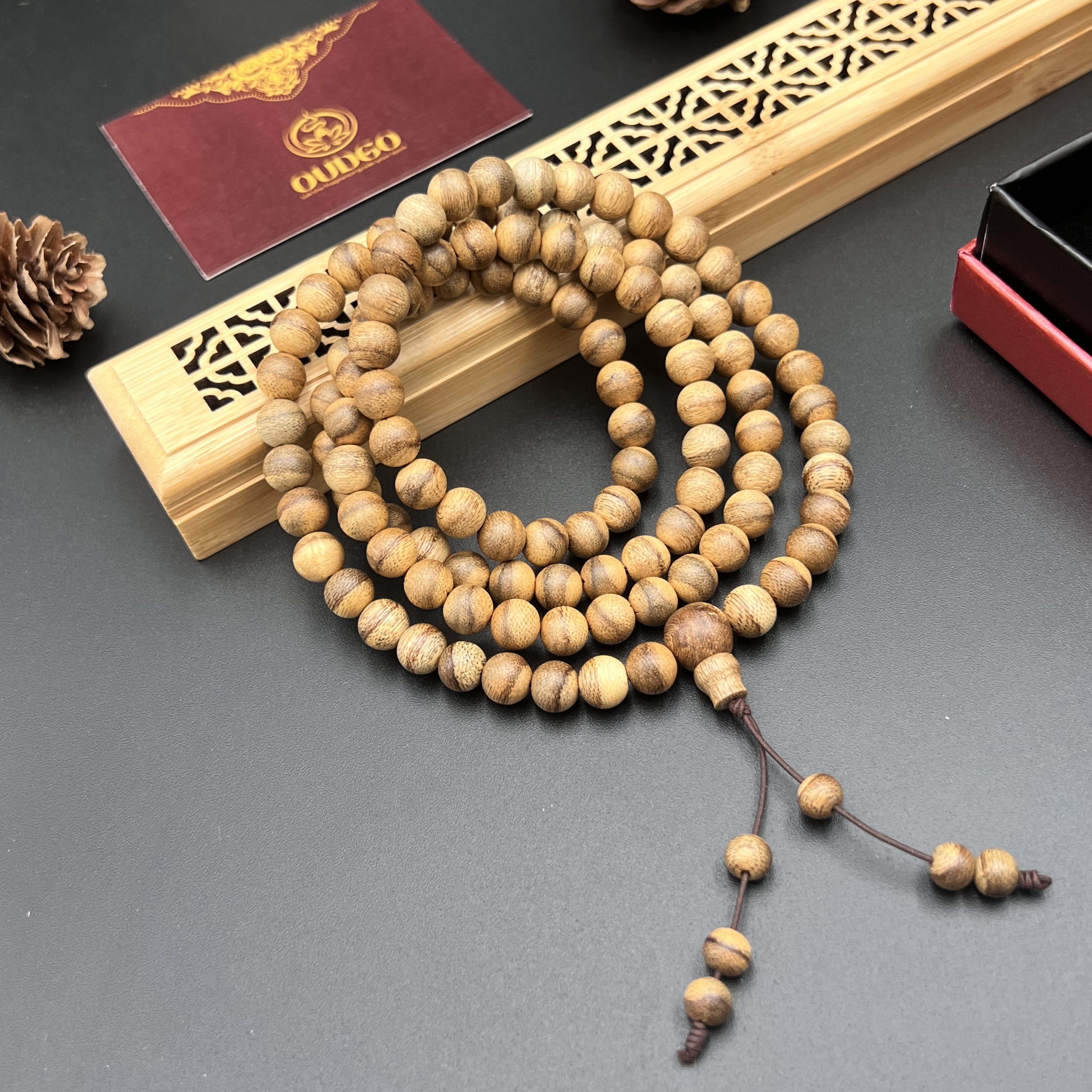

108 Beads Vietnamese Tốc Bông Agarwood Bracelet
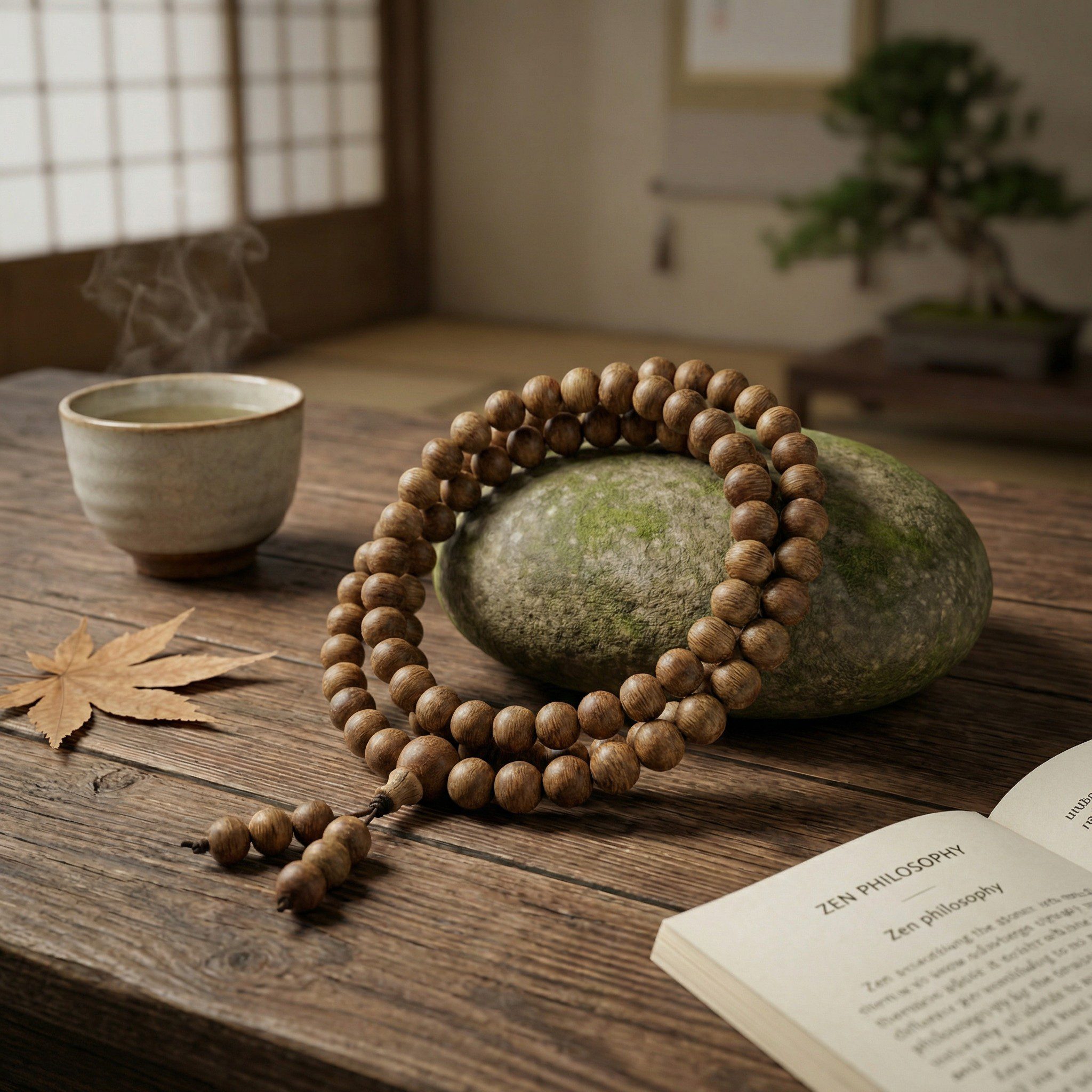
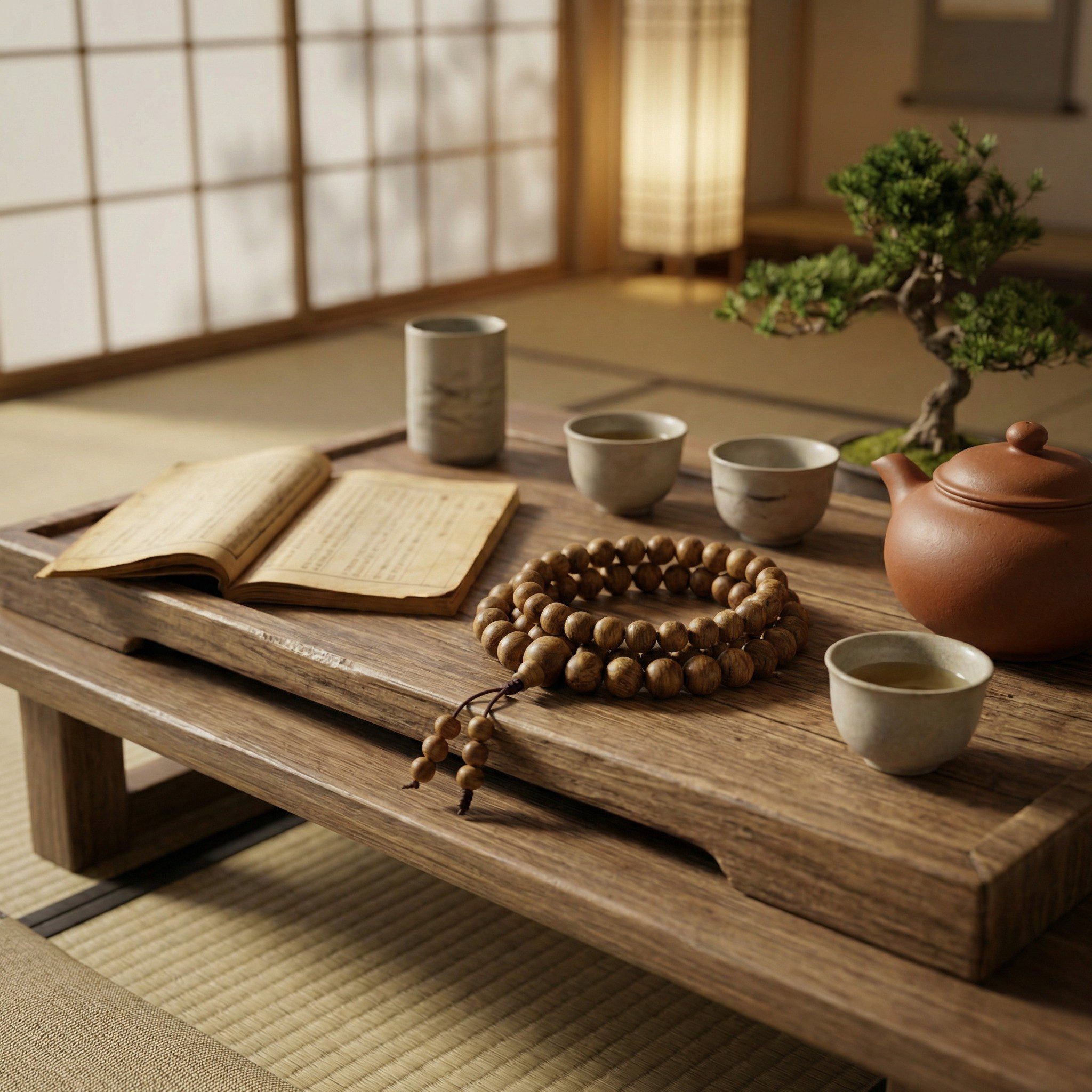
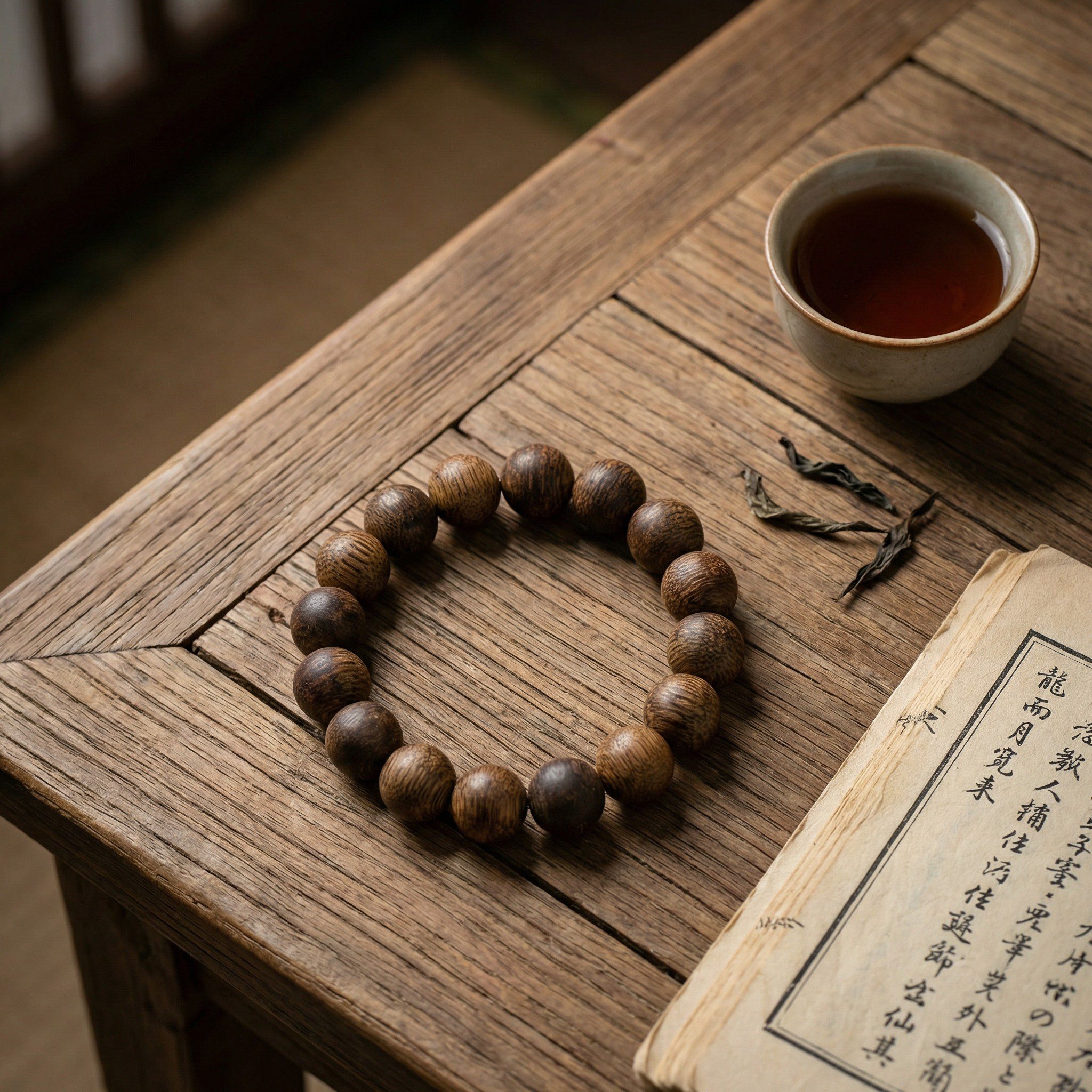
Agarwood Bracelet – 10–14 mm Round Beads, Origin Under Review
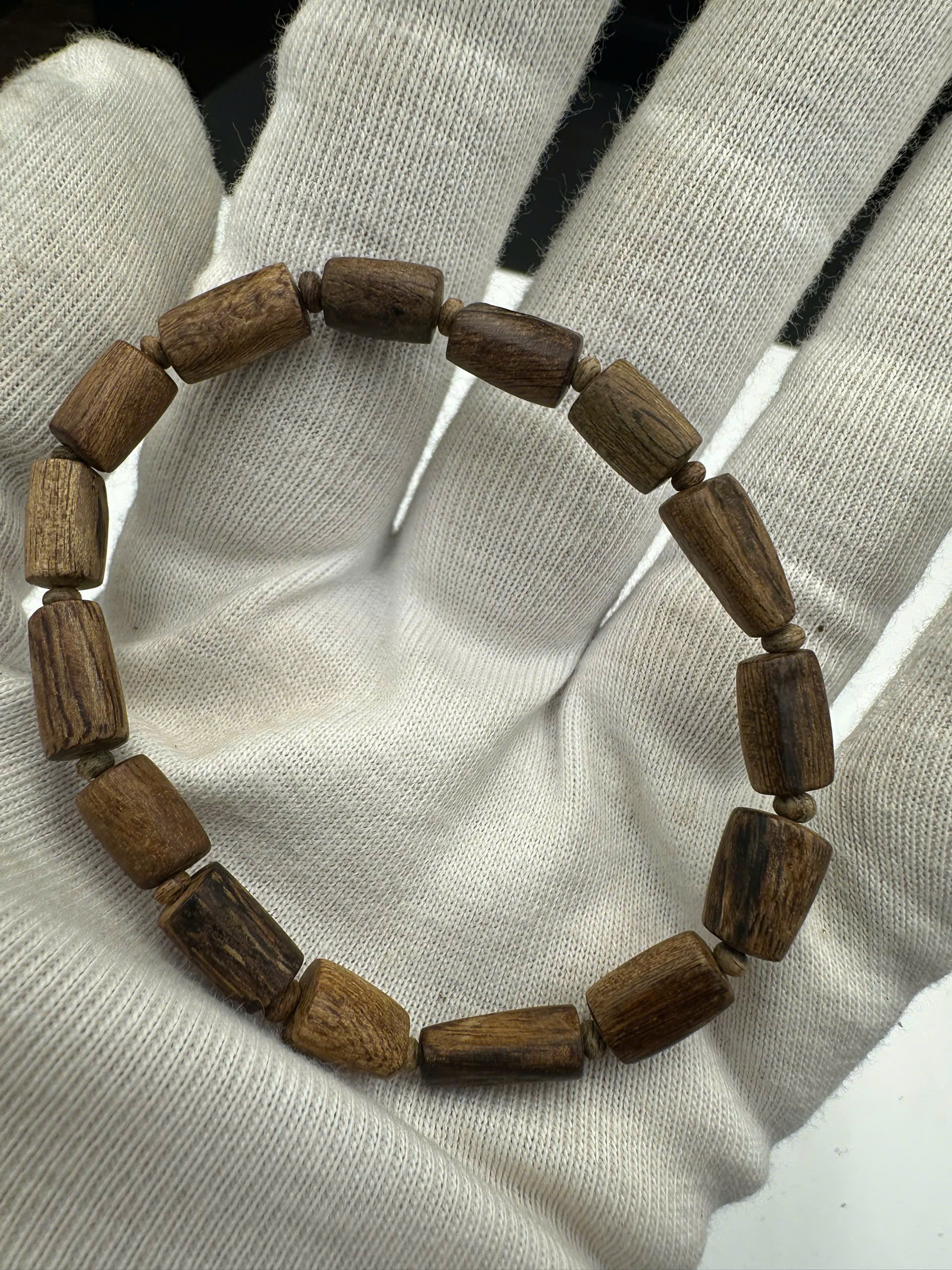
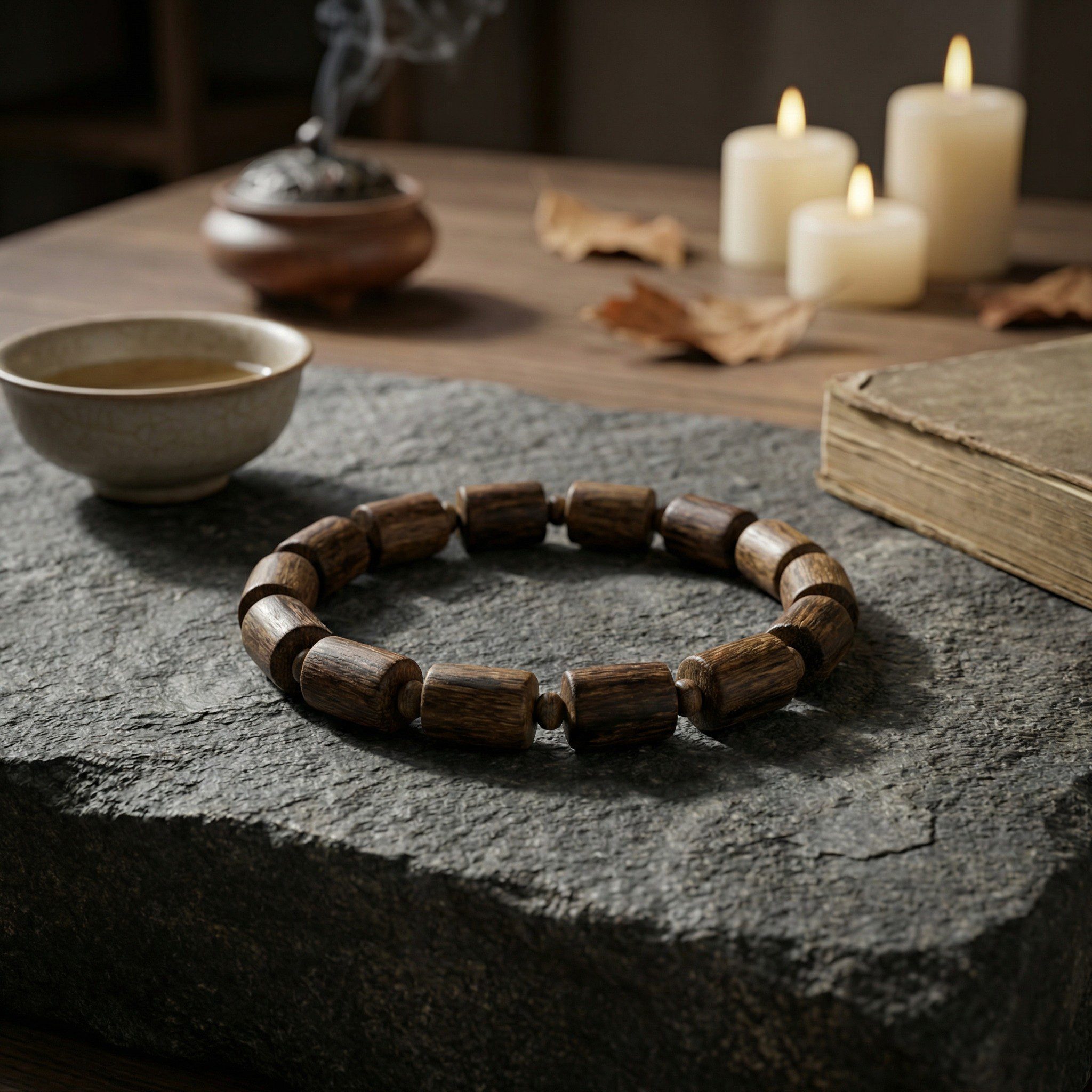
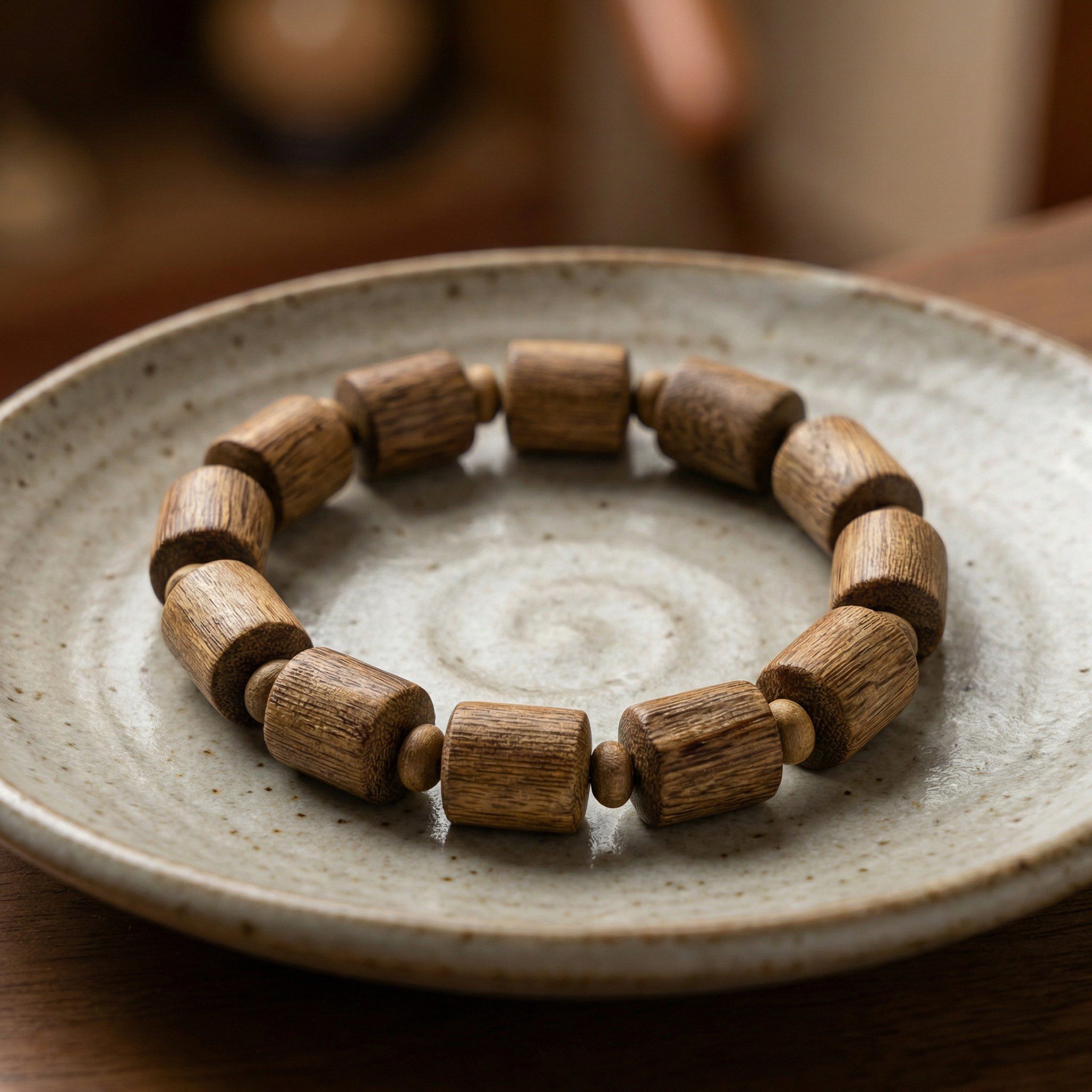
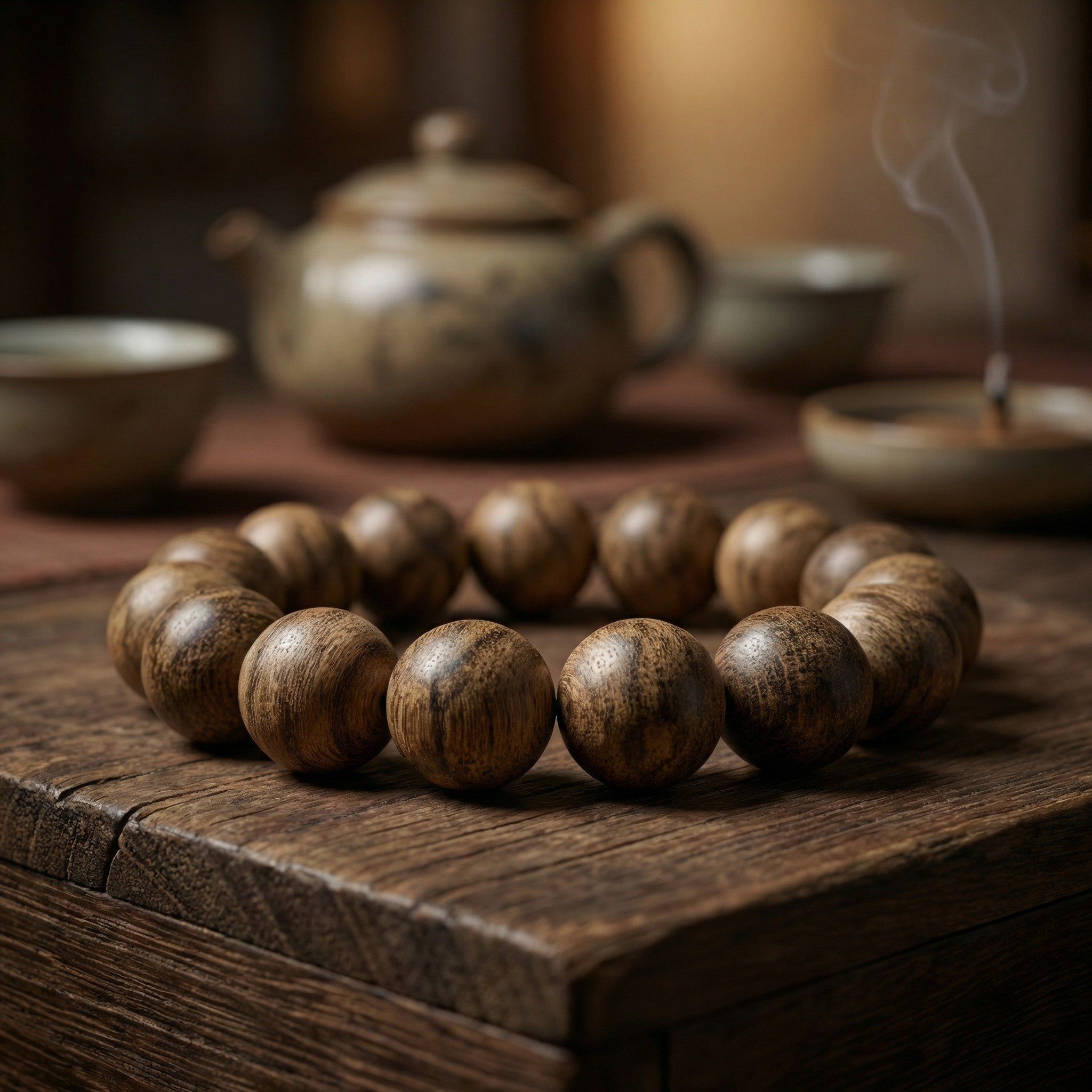
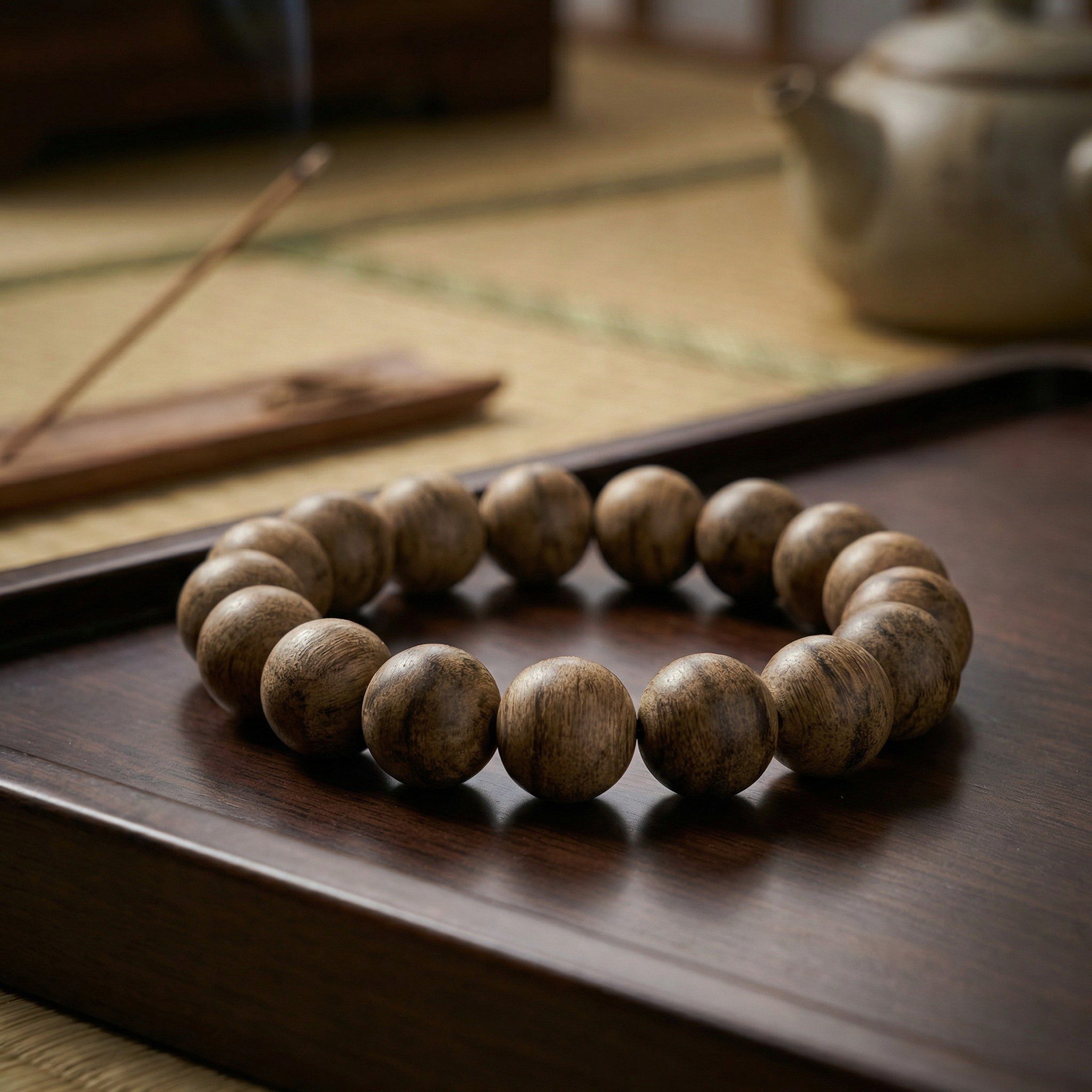
Cambodian Agarwood Bracelet – 14 mm Beads
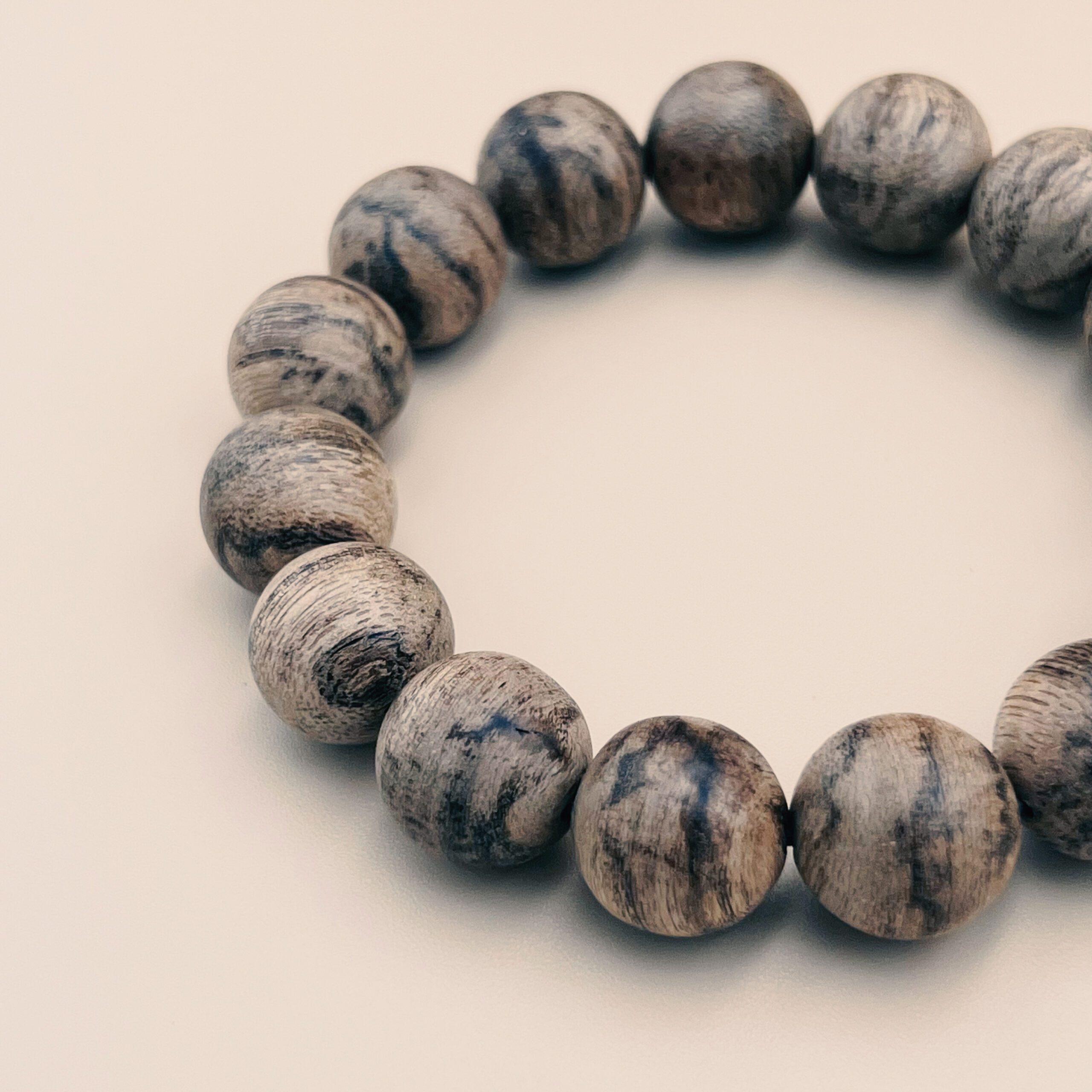
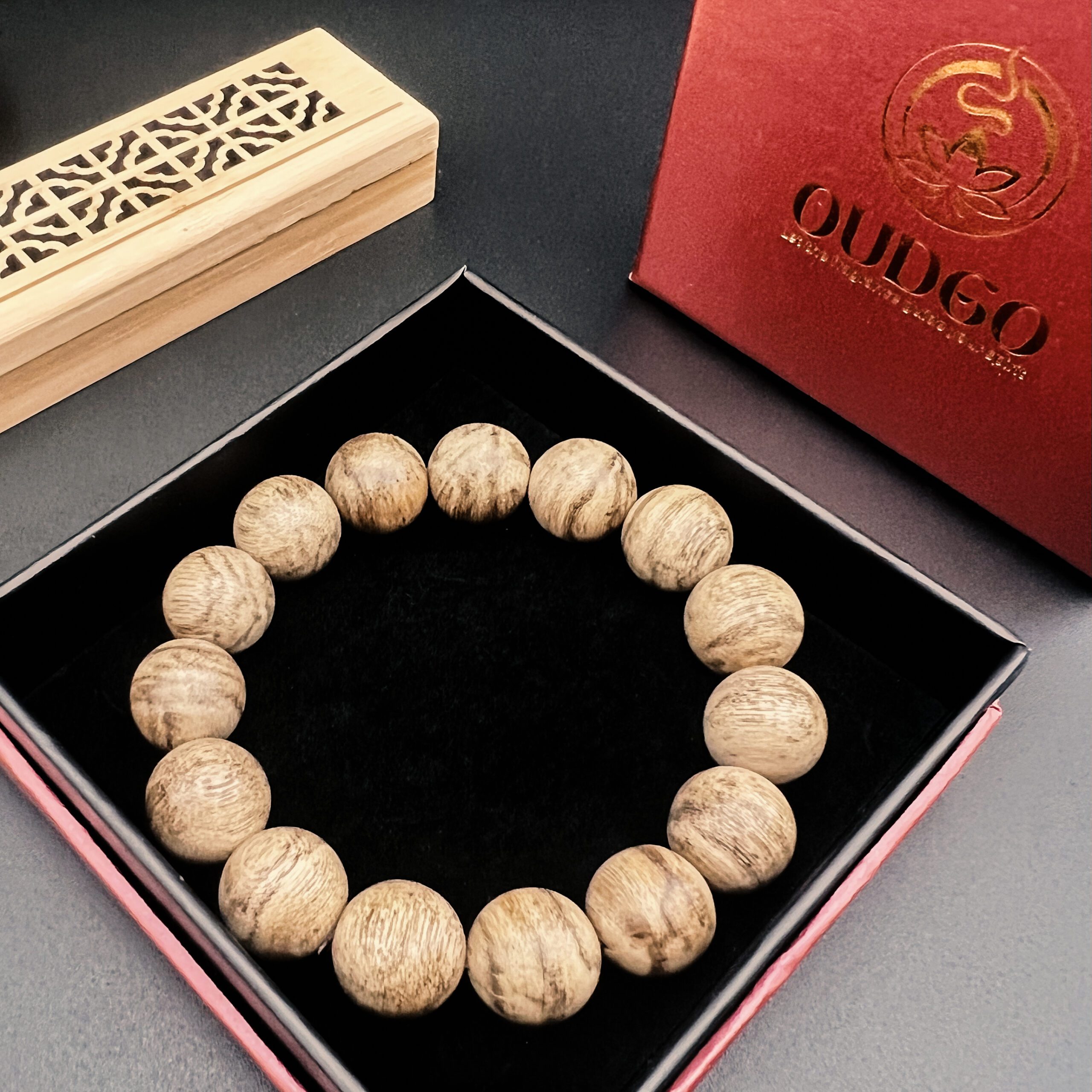
Cambodian Agarwood Bracelet – 19 Round Beads, 10 mm

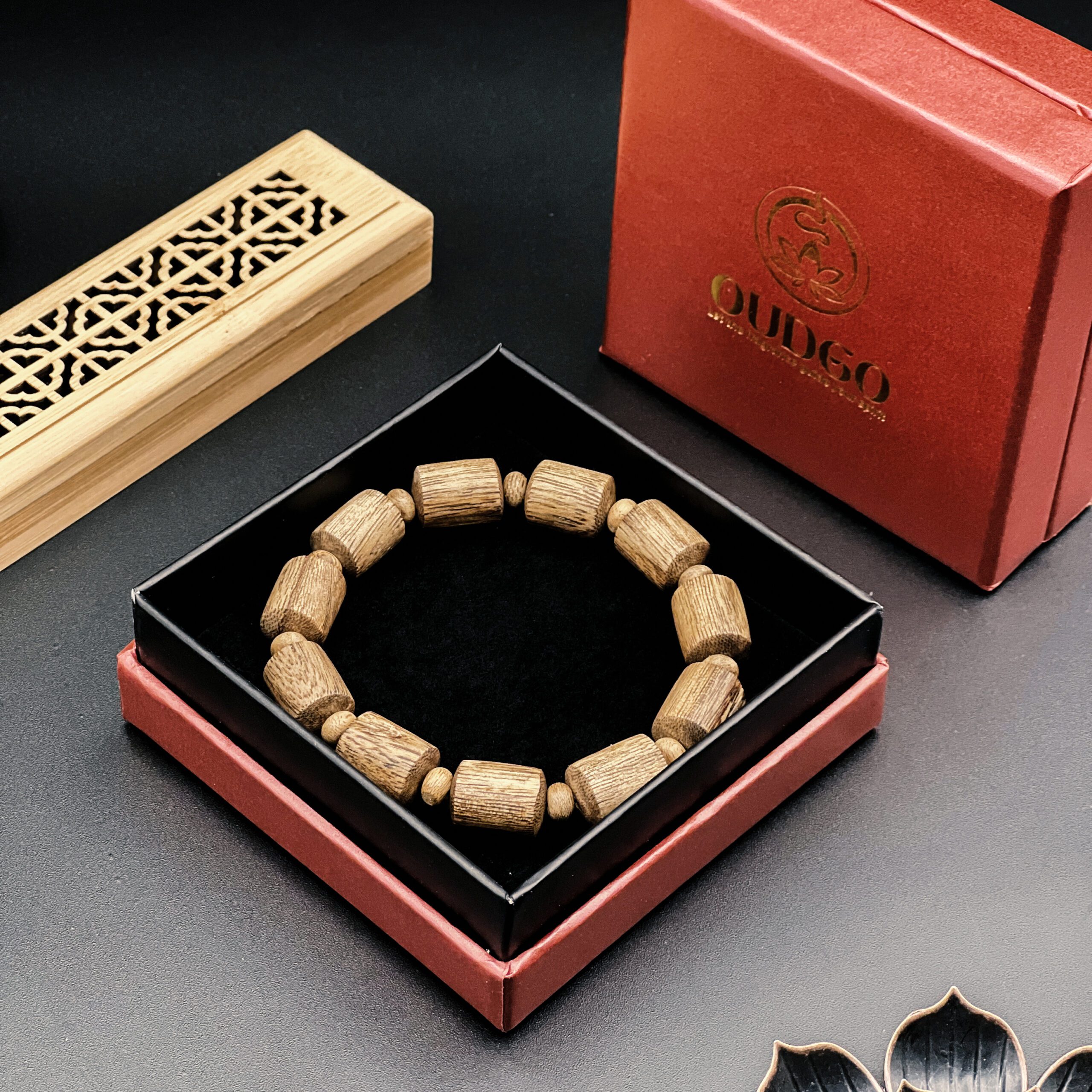
Cambodian Agarwood Bracelet – Barrel-Shape 10 mm Beads
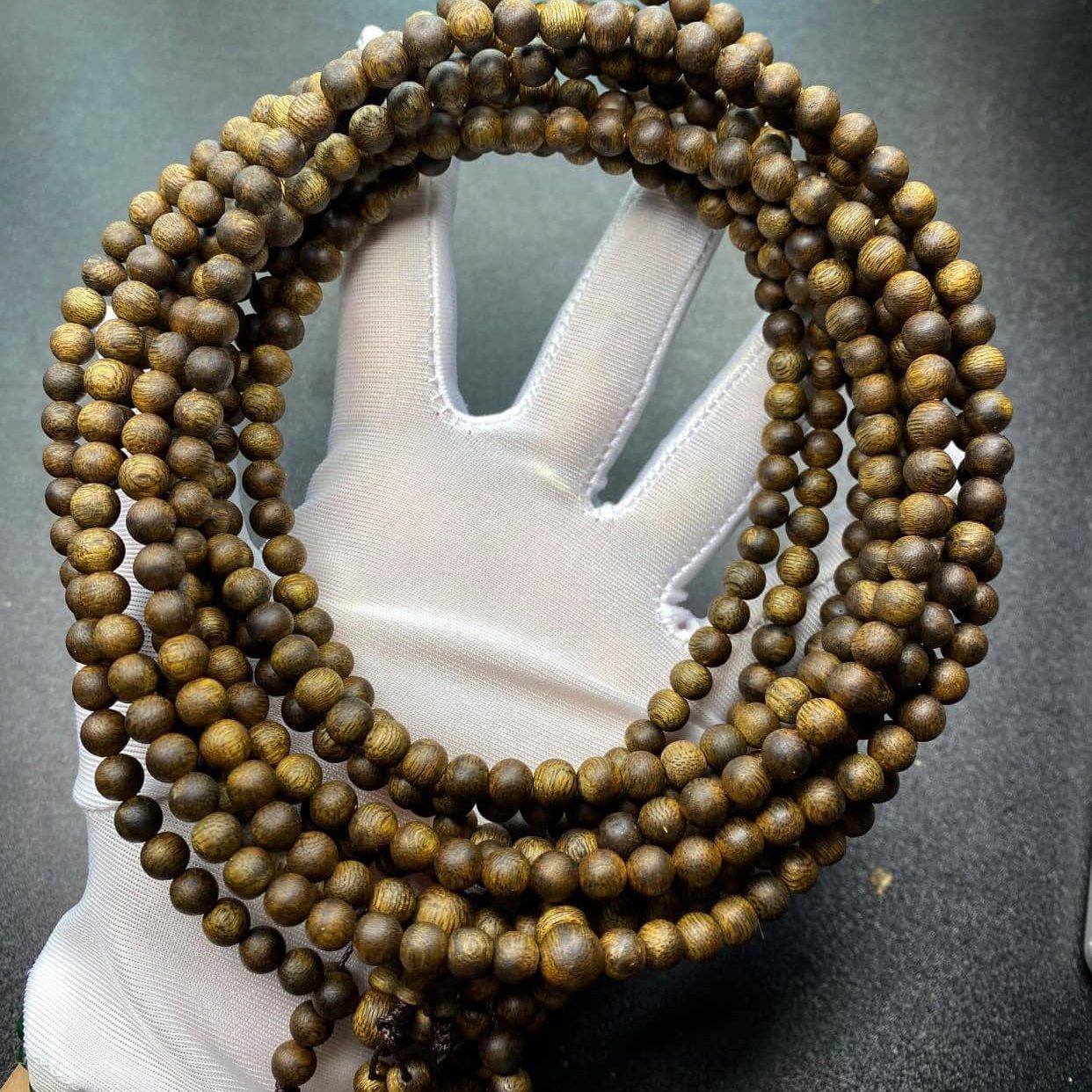
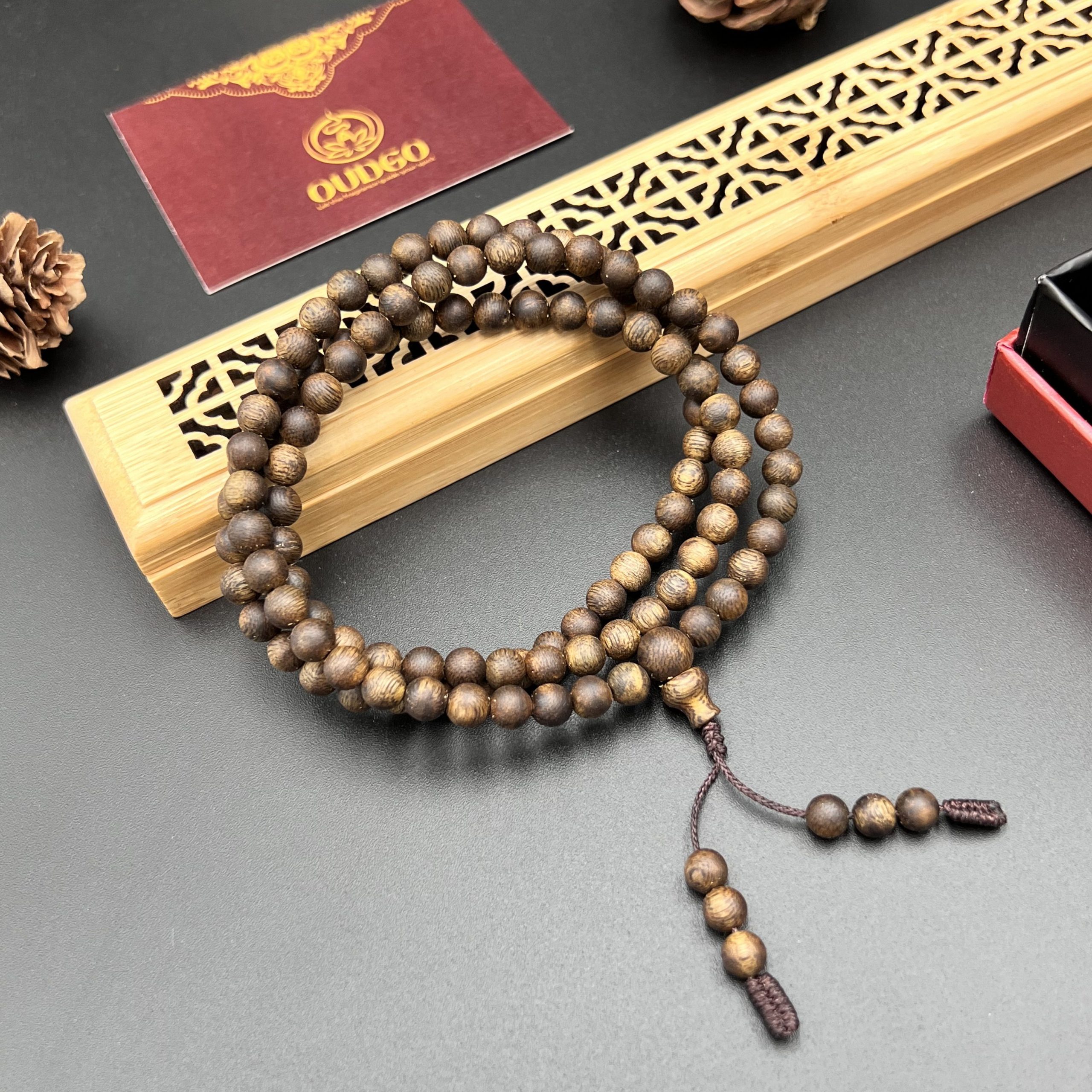
Hainan Kyara Agarwood Bracelet – 108 Round Beads
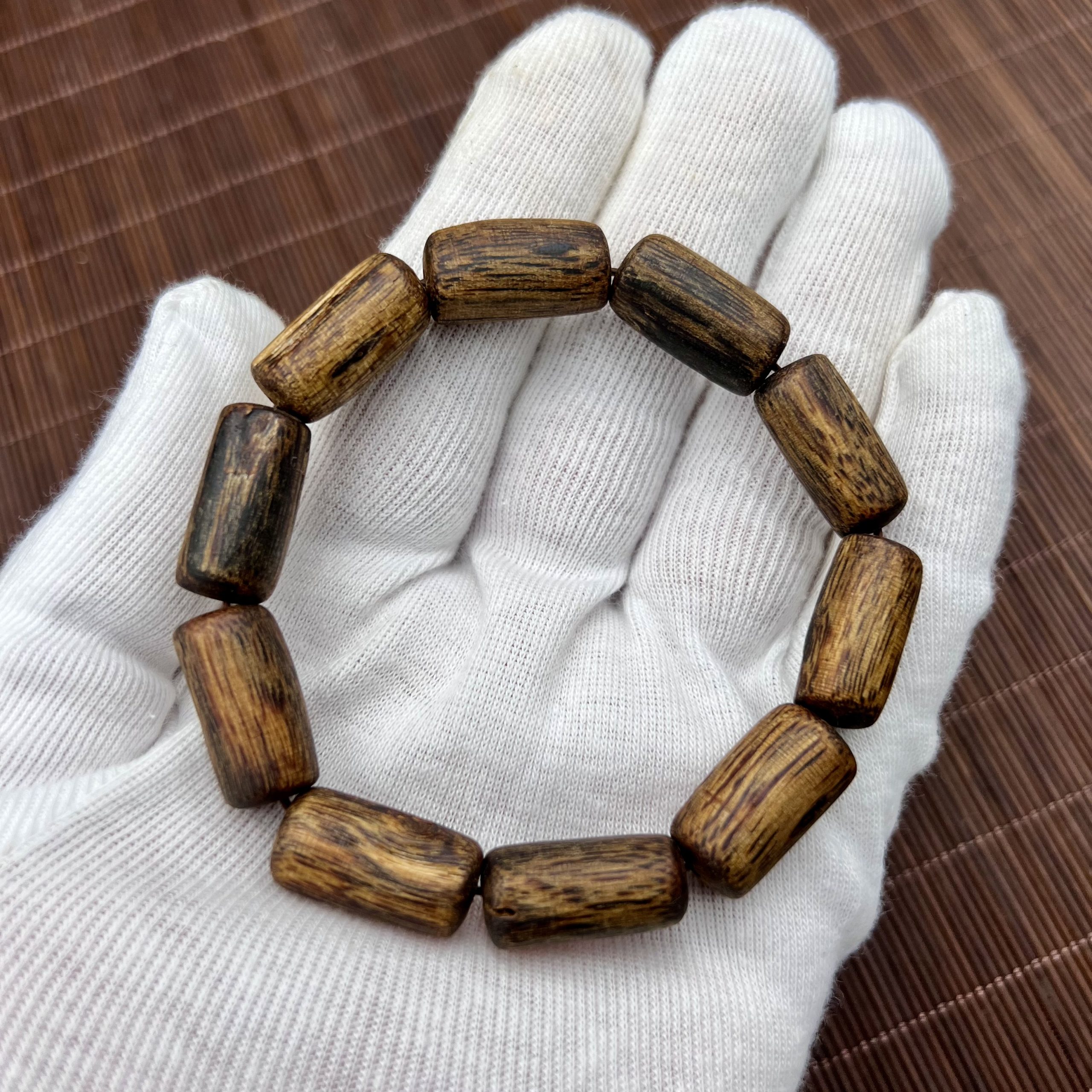
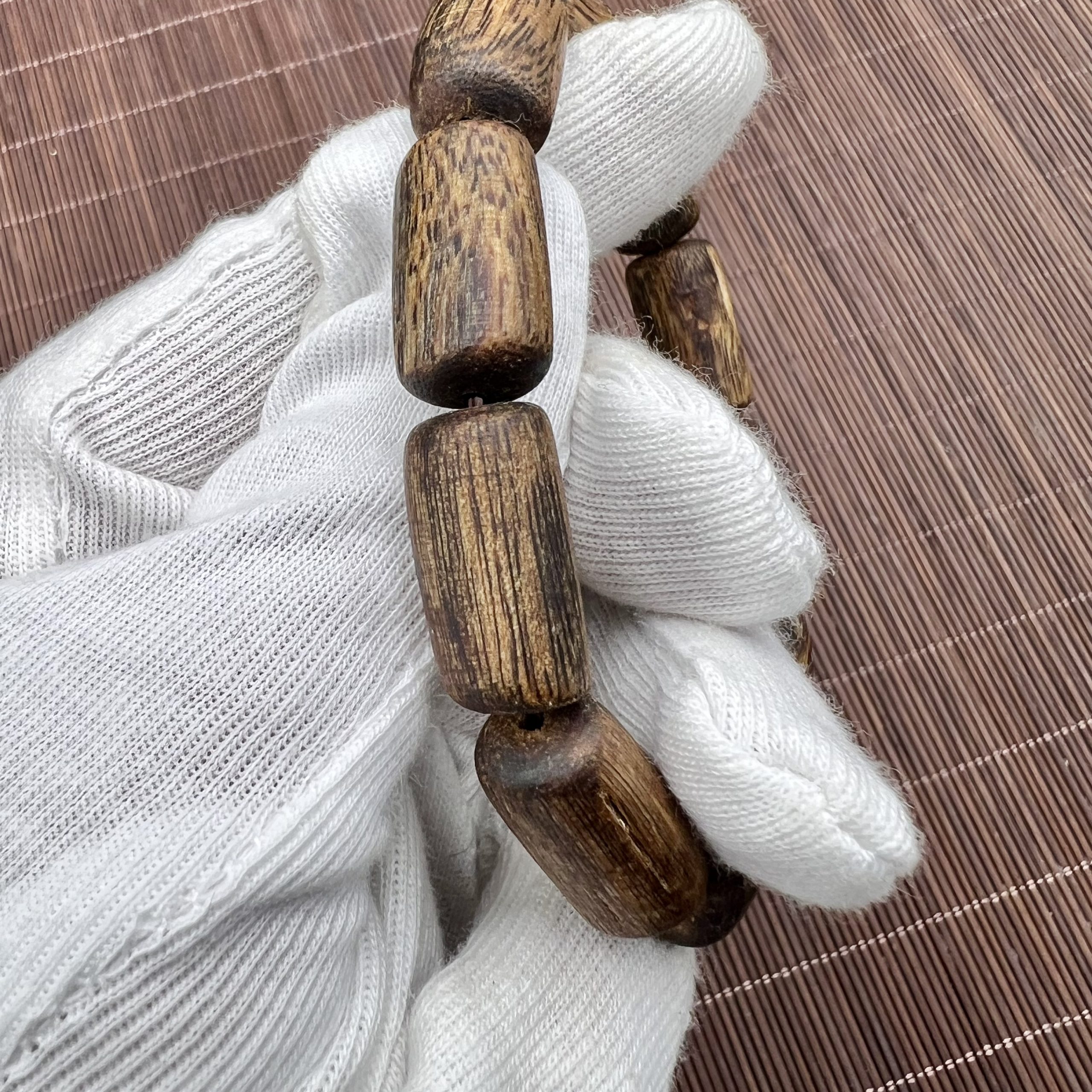
Hainan Kyara-Label Agarwood Bracelet – 10–14 mm Cylindrical Beads

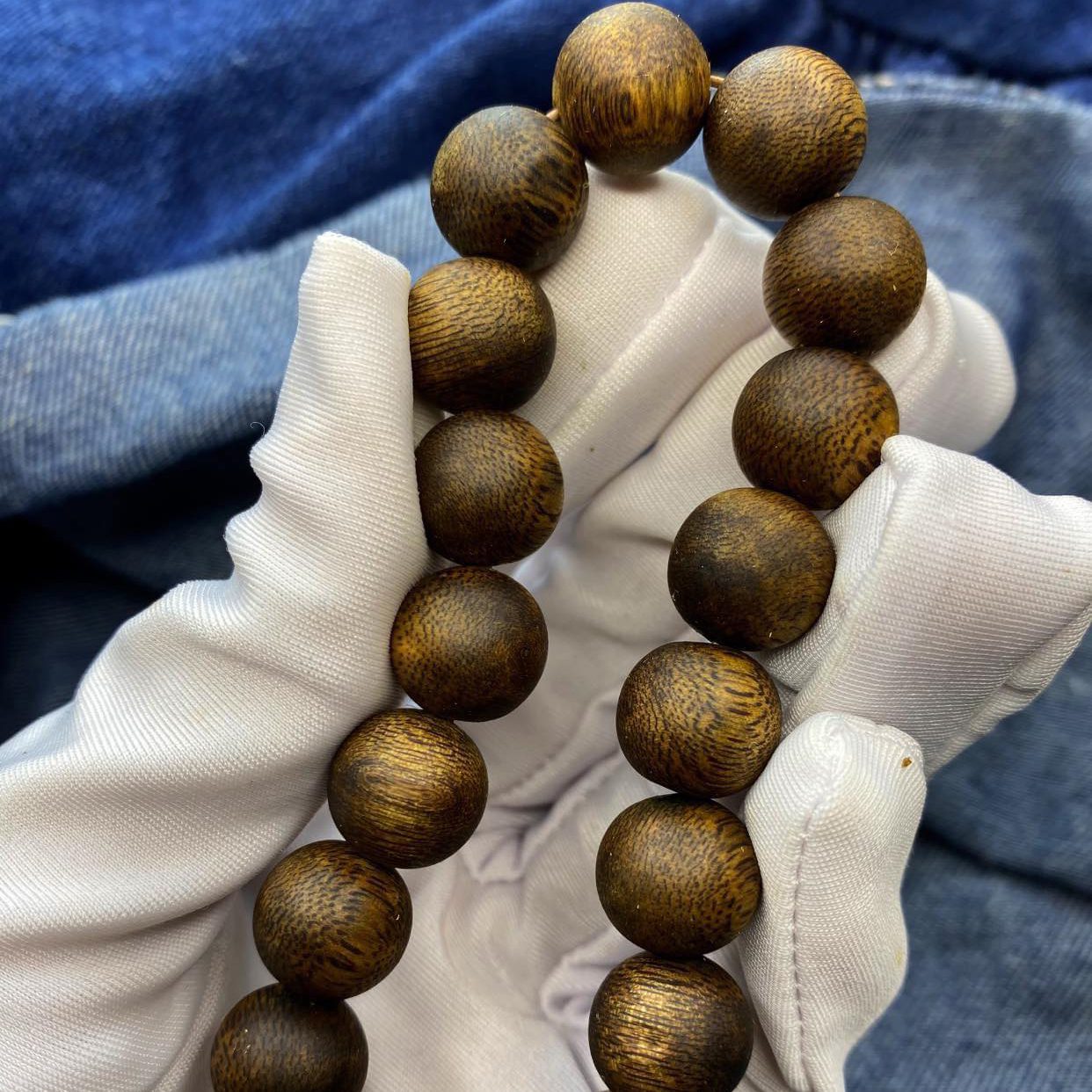
Hainan Kyara-Label Agarwood Bracelet – 10–14 mm Round Beads
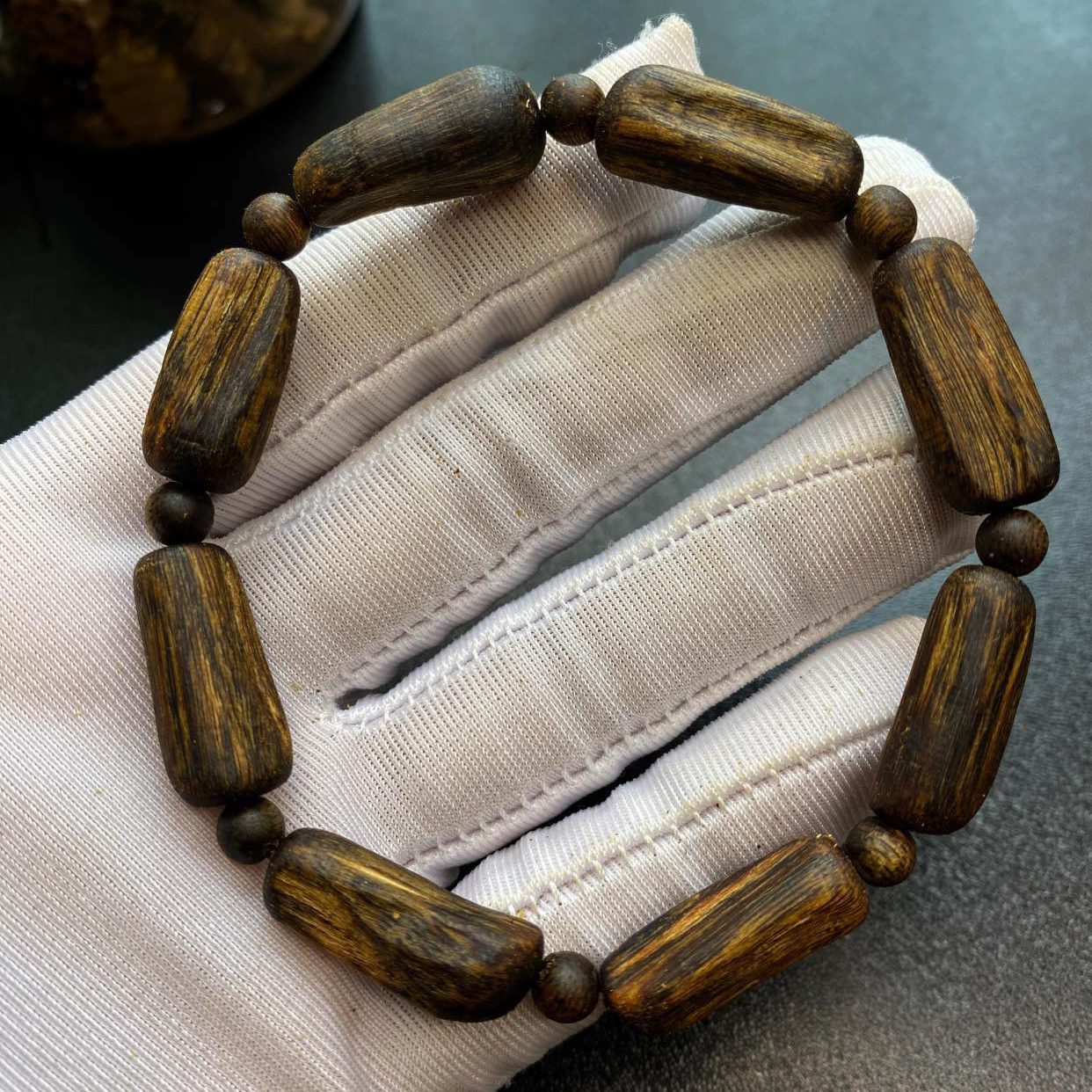
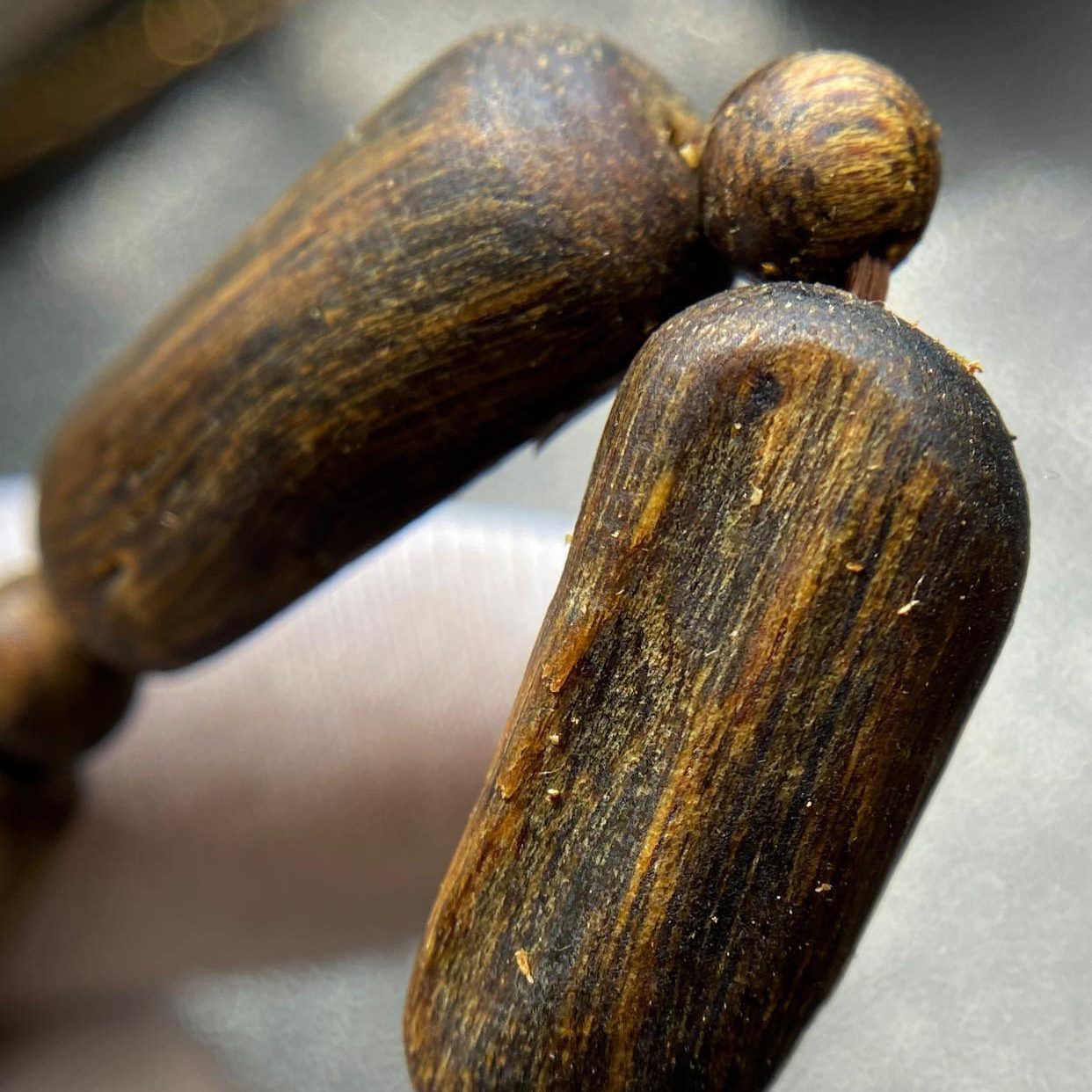
Hainan Kyara-Label Agarwood Bracelet – 8 mm Cylinders with Round Accents
Shop agarwood bracelets and oud wood beads by fit, origin and intended use. Compare wrist size, bead diameter, bead count, construction, current price and the evidence provided for grade or resin content. Natural agarwood beads vary in aroma, colour and grain, so a darker bead—or one that sinks—is not, by itself, proof of authenticity or quality.
- Fit: compare the bracelet’s stated inner circumference with your wrist measurement.
- Bead format: round or cylindrical beads suit everyday wear; a 108-bead strand is designed for counting recitations or wearing as a wrap.
- Price: compare the live price of the exact size or variant, not only the category’s starting price.
- Evidence: look for the actual bead size, weight, origin claim, close-up images and a clear returns policy.
- Expect variation: natural wood does not have identical grain, colour or aroma from bead to bead.
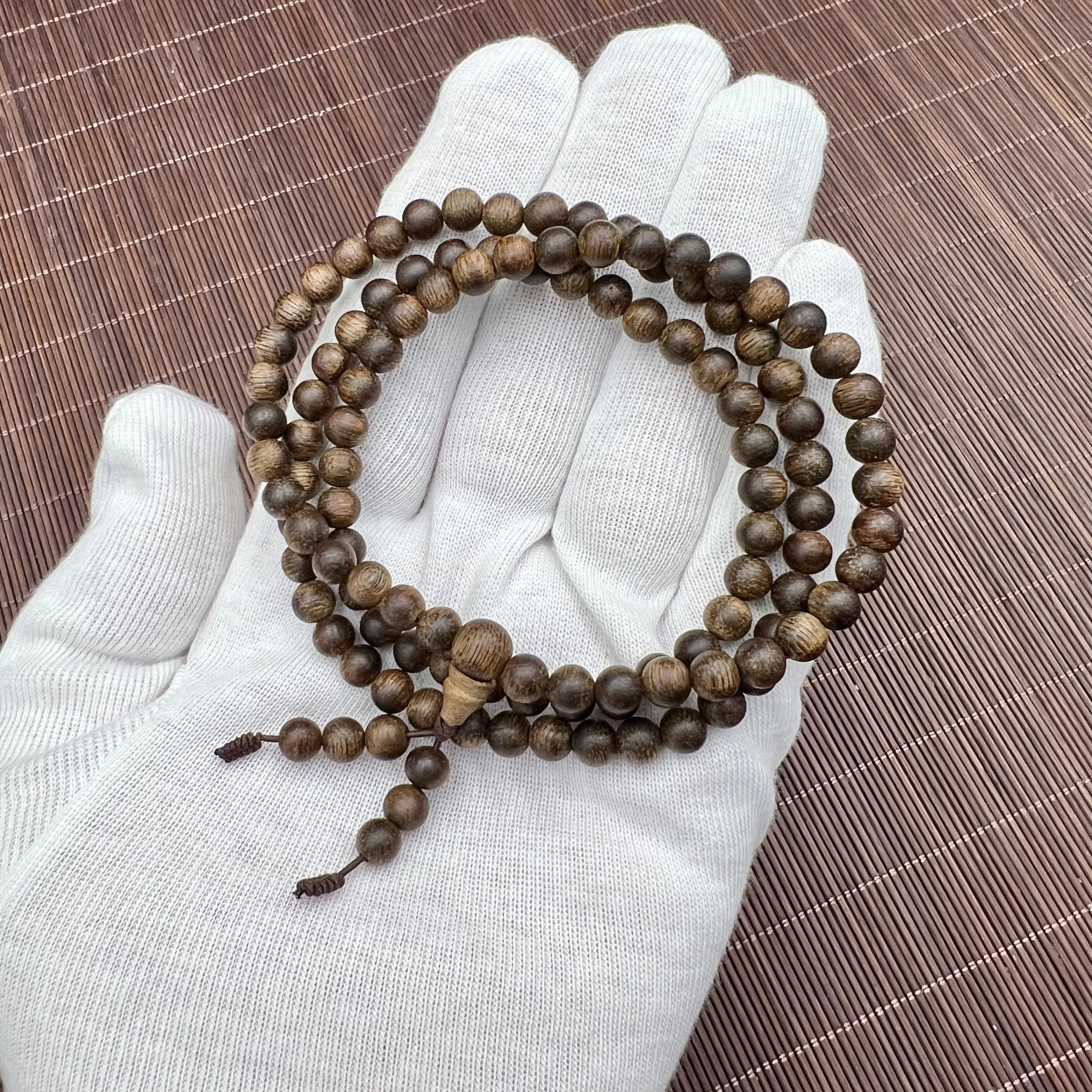
Featured long strand: compare the Vietnamese Tốc Bông 108- or 216-bead agarwood bracelet in selectable 4–8 mm round beads.
Use the buyer guide below, or browse 108-bead agarwood bracelets, Vietnamese-origin bracelets and Indonesian-origin bracelets.
Shop Agarwood Bracelets by Design
Choose the look and wearing style that feels right for you. We have linked five distinct options below so you can compare bead scale, origin label and strand format without searching the full catalogue.
| Design | Choose it for | Compare this piece |
|---|---|---|
| Round beads with broad fit choice | An everyday bracelet in 10, 12 or 14 mm with multiple wrist-range labels | Indonesian round-bead bracelet |
| Vietnamese statement beads | A clean round-bead look in 10, 12 or 14 mm | Khánh Hòa Tốc Bông bracelet |
| Indonesian Marake style | Naturally varied grain in a round-bead silhouette | Indonesian Marake bracelet |
| Vietnamese 108/216-bead strand | Counting, layered wear or a longer mala-style format in 4–8 mm | Vietnamese Tốc Bông long strand |
| Hainan 108-bead mala | A 108-bead format in 6, 7 or 8 mm for counting or versatile wear | Hainan-origin 108-bead mala |
Tip: Open the product page to confirm the current variant, live price, stock and exact fit information before ordering.
What is an agarwood bracelet?
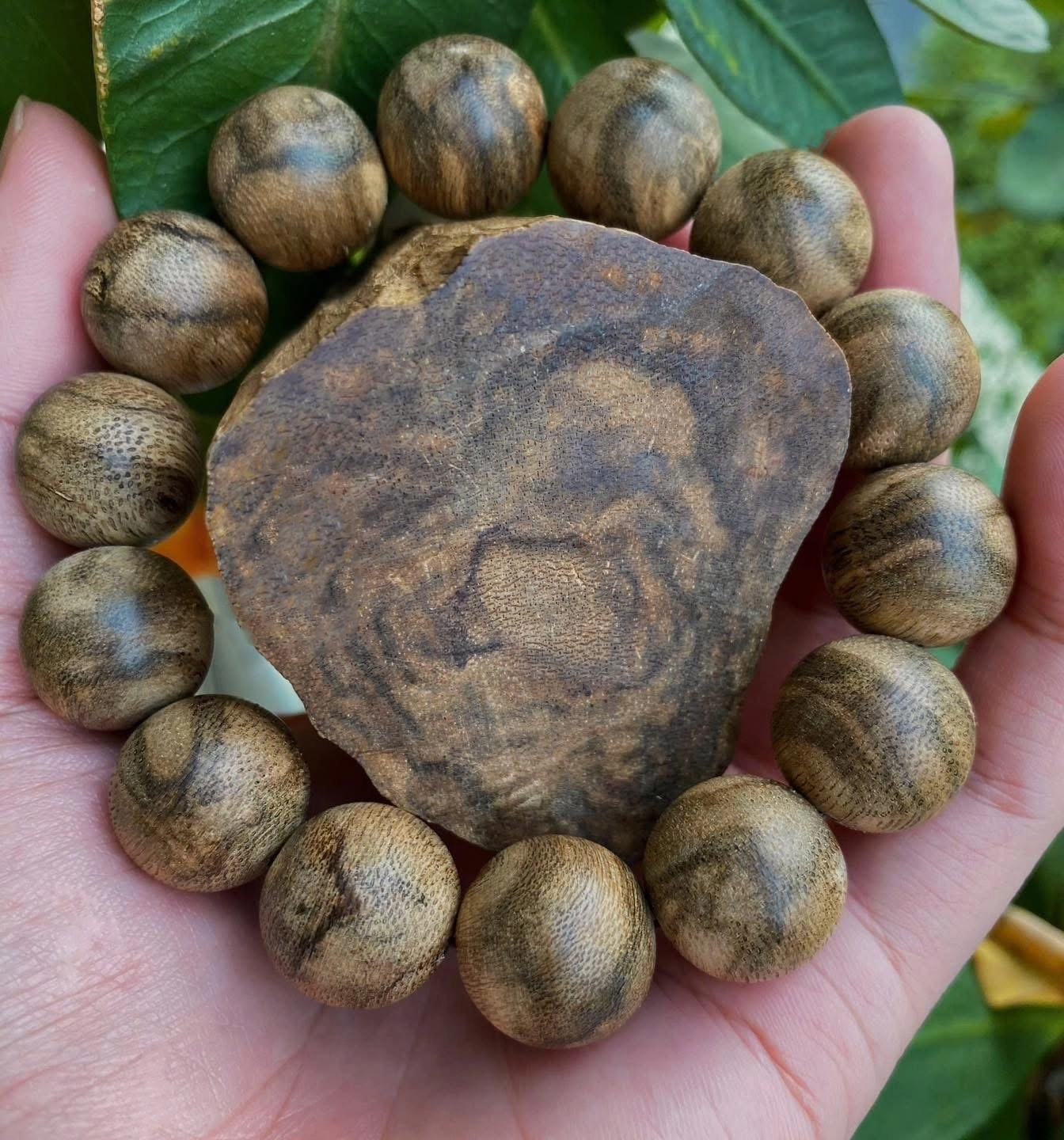
An agarwood bracelet is made from beads carved from resin-bearing wood of an Aquilaria tree. Agarwood forms as the tree responds to injury and other biological stress; resin distribution is irregular, which is why bead appearance and aroma differ between pieces. For the biology behind the material, read how agarwood forms inside Aquilaria trees.
How to choose an agarwood bracelet
The best bracelet is the one whose dimensions, intended use and evidence match your needs. Compare the product listing rather than relying on a single visual shortcut.
1. Measure your wrist and check the finished fit
Wrap a flexible tape around the wrist where you will wear the bracelet. If you prefer a close fit, choose a finished inner circumference only slightly larger than the wrist; allow more room for a relaxed fit. Bead diameter affects bulk as well as appearance, so two bracelets with the same circumference may feel different.
| Feature | What to check | Why it matters |
|---|---|---|
| Inner circumference | Actual finished measurement, not only “small/medium/large” | Determines comfort and whether the bracelet can move over the wrist |
| Bead diameter | Millimetres for round beads; length × width for cylinders | Changes visual scale, weight and how the bracelet sits |
| Cord and construction | Elastic, fixed cord, knotting and whether restringing is possible | Affects durability and maintenance |
| Weight | Total weight for the exact bracelet or variant | Useful for comparison, but not a stand-alone authenticity test |
2. Choose bead count for the intended use
A standard wrist bracelet is primarily jewellery. A 108-bead agarwood strand is longer and may be used to count repetitions in personal prayer or meditation, or wrapped around the wrist. Traditions interpret bead counts differently; treat symbolic meanings as cultural or personal practice, not as a medical promise.
3. Compare origin and aroma without stereotypes
Origin can describe species, growing region, supply chain or place of manufacture, so the product page should state what the claim means. Vietnamese, Indonesian, Cambodian and Hainan material can each vary within the same region because resin formation, wood selection, age, storage and finishing all affect the result. Use origin as a traceability field, not as a guaranteed scent profile or grade.
4. Ask what the grade claim is based on
There is no single universal retail grade that makes every seller’s “premium,” “sinking” or “high resin” label directly comparable. Useful evidence includes the grading criteria, net weight, bead dimensions, untreated close-ups, aroma notes, provenance records and disclosure of oils, coatings or fragrance additions. See Oudgo’s agarwood quality and grading guide for the variables that should be assessed together.
How can you assess authenticity?
No home test can prove every agarwood bracelet is genuine. Colour, smell, grain, weight and a water test can each be manipulated or misread. A better decision combines seller traceability, consistent product details, close images, disclosure of treatments and a returns route. Use the real-versus-fake agarwood guide as a multi-signal checklist rather than relying on one “secret” test.

Agarwood bracelet price: what changes the cost?
Agarwood bracelet prices vary with bead diameter and count, total weight, workmanship, origin and provenance claims, resin distribution and whether the piece has been treated or scented. A higher price does not prove authenticity or quality. Compare the current price of the exact product variant with its dimensions, close-up images, disclosures and returns terms; use the individual product page as the source of truth for live price and stock.
Agarwood bracelet benefits, meaning and limits
The practical benefits of an agarwood bracelet are personal rather than medical: it is wearable wood jewellery, may carry a naturally subtle aroma, and can serve as a tactile object for appreciation or reflection. A 108-bead strand may also support counting in a prayer or meditation practice.
- Everyday wear: lightweight wood beads offer a different feel from stone or metal jewellery.
- Personal meaning: agarwood beads appear in religious, contemplative and prestige contexts across different cultures.
- Important limit: claims about protection, luck, healing or treatment reflect belief or marketing, not a guaranteed health outcome.
- Possible irritation: stop wearing a bracelet if the cord, coating or added fragrance irritates your skin, and ask the seller whether any oil, dye or finish was applied.
The bracelet’s verifiable value comes from its material, workmanship, aroma, fit, provenance and meaning to the wearer—not from an unsupported medical promise.
How to care for agarwood beads
- Keep the bracelet away from prolonged soaking, perfume, solvent, detergent and high heat.
- Wipe it with a clean, dry, soft cloth after wear.
- Store it dry and away from direct sunlight; avoid airtight storage if any moisture is present.
- Do not add fragrance oil unless the seller specifically recommends it; added oil can mask the natural aroma and change the surface.
- Check elastic or cord regularly and restring it before it becomes brittle.
For the dedicated maintenance answer, see how to care for an agarwood bracelet.

Agarwood bracelet FAQ
Does a darker agarwood bracelet always contain more resin?
No. Resin may darken wood, but lighting, species, finishing, coatings and added colour also affect appearance. Ask for the grading method and supporting details.
Does a sinking bracelet prove high grade?
No. Density is only one signal and can be influenced by bead construction or treatment. It should never replace provenance, disclosure and multi-factor inspection.
Will an agarwood bracelet keep the same aroma forever?
Aroma intensity changes with temperature, humidity, handling, storage and the individual piece. A subtle scent is not automatically evidence of poor quality, and added fragrance can create an unnaturally strong first impression.
Are 108 beads the same as a normal wrist bracelet?
No. A 108-bead strand is much longer and is typically used as prayer beads, a necklace or a multi-wrap piece. Check the total length and bead diameter before buying.
Ready to compare pieces? Review the dimensions, origin statement and evidence on each product card in this category, then choose the design that fits your intended use. Product availability, bead measurements and price should be taken from the individual product page at the time of purchase.