
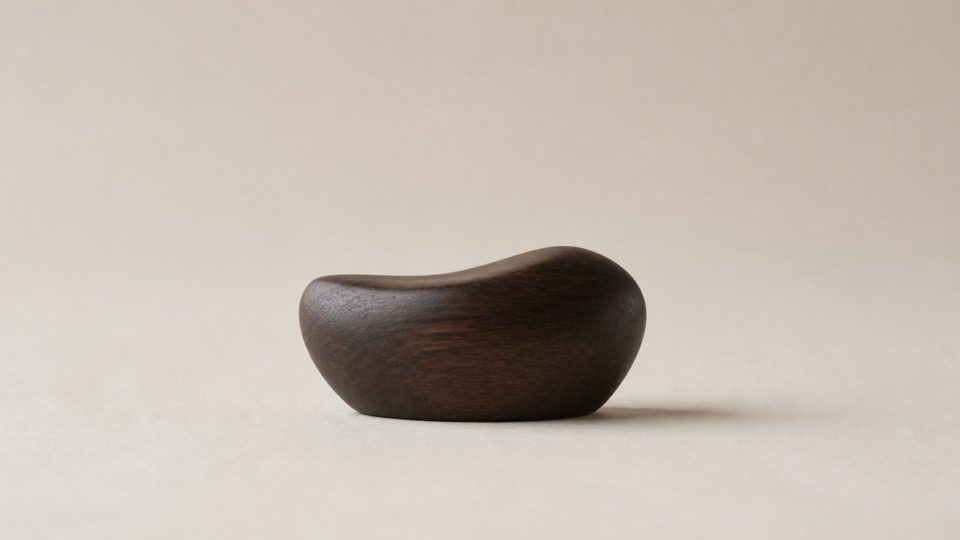
Short answer: agarwood’s cultural history is the history of a rare fragrant material moving from Aquilaria and Gyrinops source regions into trade, worship, hospitality, court culture, literature and perfumery. Historical records and museum objects document aloeswood or agarwood in South and Southeast Asian trade, Tang China, Japanese incense culture and Arab perfumery. However, an old word translated as “aloes,” “incense” or “fragrant wood” is not automatically proof of a particular modern agarwood species.
Table of Contents
ToggleEvidence standard: this guide separates a translated historical term, a museum-identified material, a botanical species and a modern commercial product. It does not turn legends, beliefs or retailer descriptions into established fact.
Editorial review: Oudgo Editorial Team · reviewed 13 August 2026 · English-language, international educational scope.
What is agarwood’s cultural significance?
Agarwood became culturally significant because fragrance, rarity and long-distance exchange gave it roles beyond ordinary wood. Resin-rich material has been burned or gently heated for scent, distilled into oil, blended into perfume, collected and described in historical texts. Its meaning changes with place and period: an offering in one setting, a hospitality fragrance in another, a subject of connoisseurship in another and a regulated commodity today.
The material begins with certain resin-producing trees, not with culture alone. Read what agarwood is, how agarwood forms in a tree and where agarwood-producing species occur before treating a regional name as proof of origin.
How far back does documented agarwood history go?
Translated Asian records describe valuable aromatic wood over many centuries, but the certainty of identification varies. A peer-reviewed historical review by López-Sampson and Page reports references to aromatic wood identified by translators or later scholarship as agarwood in South Asian texts and Chinese trade records. These records are evidence for a long cultural biography; they are not chemical tests of the original material.
A good historical claim therefore names the source and its wording. “A translated record describes aloeswood” is stronger than “this exact Aquilaria species was used on this date.” The distinction matters because English terms such as aloes, aloeswood and agalloch have not always been used consistently.
| Period or evidence | What is documented | Necessary qualification |
|---|---|---|
| Historical South and East Asian texts | Aromatic wood described as a valuable material and traded commodity | Identification often depends on translation and later interpretation |
| Tang-era exchange networks | The British Museum lists aloeswood among aromatics reaching the Tang capital through connected Silk Roads | This does not establish one route, volume or species |
| Japan, 595 onward | The Met reports Japan’s first written record of incense wood in 595; later sources document court and incense arts | A written record is not a laboratory-identified surviving specimen |
| Ming and Edo museum objects | British Museum objects specifically connect aloeswood or agarwood with learned Chinese and Japanese fragrance practices | Elite objects do not describe every household or every incense blend |
| Modern international trade | Aquilaria and Gyrinops are covered by CITES Appendix II trade controls | Appendix II regulates international trade; it is not a blanket ban |
Do agarwood, aloeswood, eaglewood, gaharu, jinkō and oud mean the same thing?
They overlap, but they do not provide the same information. The terms can identify a fragrant resinous material, a regional trade vocabulary or a scent style. They do not, by themselves, prove species, country, grade, age, wild origin or authenticity.
| Term | Typical context | What not to assume |
|---|---|---|
| Agarwood / eaglewood / aloeswood | English common and historical names for fragrant resinous wood | That every historical “aloe” is modern Aquilaria |
| Gaharu | A widely used Malay/Indonesian trade term | One species, island or quality grade |
| Chenxiang / jinkō | Chinese and Japanese fragrance histories and connoisseurship | A modern botanical or chemical certificate |
| Oud / oudh | Arabic-derived perfume and wood terminology | That every “oud fragrance” contains natural agarwood oil |
How did agarwood move between cultures?
It moved through overlapping maritime and overland networks linking producing regions, ports, courts, religious communities and perfume markets. The British Museum’s Silk Roads material places aloeswood among aromatics moving from Arabia, South Asia and Southeast Asia toward Tang China. Historical scholarship also describes trade connecting South and Southeast Asian sources with Chinese and Arab buyers.
“The Silk Road” should not be imagined as one road or one-way shipment. Merchants, translations, religious objects, techniques and tastes moved through many connected routes. A named port or region in a record proves a node in that network—not necessarily the biological origin of the wood. The distinction between source, trading location and later cultural association remains essential when evaluating modern provenance claims.
What is documented in South and Southeast Asia?
South and Southeast Asia include both biological source areas and long-standing trade nodes, but they are not one uniform agarwood culture. Kew documents the native range of individual species such as Aquilaria malaccensis from Bangladesh through parts of Malesia. Other Aquilaria and Gyrinops species have different ranges. Species-level distribution is therefore more reliable than a retailer’s country label.
The historical review reports aromatic-wood references and trade in South Asia, including later movements from Assam and Calcutta toward Arabia, Persia and Europe. In Southeast Asia, regional words such as gaharu became embedded in collecting and commerce. Singapore heritage records offer a concrete modern example: Arab-owned businesses in Kampong Gelam handled agarwood imported from Southeast Asia and exported it to the Middle East. That is evidence for a trade community, not proof that every piece sold there had the same source or grade.
Older versions of this page made broad claims about Filipino, Malaysian, Vietnamese, Cambodian, Bangladeshi and Pakistani medicine, arts and household ritual without adequate sources. Those claims have been removed. Country-specific statements should be restored only when a named text, community study, collection, oral-history project or trade record identifies the place, period and material. For health traditions, see the separate agarwood traditional-medicine evidence review.
What role did aloeswood play in China?
Texts, trade histories and museum objects show aloeswood as both a traded aromatic and an object of refined fragrance appreciation. A British Museum Ming-period goose-shaped incense burner is described as suitable for powdered or pelletized aloeswood in a scholar’s studio. This is valuable material evidence: it connects a named aromatic with an object, period and elite domestic setting.
Hong Kong’s Herbarium documents Aquilaria sinensis as native to southern China and records the region’s history of planting and transporting incense material. The popular explanation that Hong Kong—“Fragrant Harbour”—was named for this trade is plausible but not certain; the Herbarium notes other explanations. Responsible cultural history preserves that uncertainty instead of turning an origin story into fact.
How did agarwood become part of Japanese incense culture?
Imported incense first accompanied Buddhist exchange, then fragrance developed courtly, literary and formal connoisseurial settings. The Metropolitan Museum of Art places Japan’s first written record of incense wood in 595 and traces later changes through Heian court culture, the world of The Tale of Genji, medieval warrior and Zen-associated circles, and the development of kōdō.
Kyoto National Museum describes a shift from compounded incense in the Heian period toward appreciation of individual fragrant woods in the Muromachi period, with structured scent games and specialized utensils developing further in the Edo period. A British Museum eighteenth-century kōdō game box specifically lists agarwood among its raw materials. Small pieces could be heated over mica and ash while participants “listened” to the fragrance.
Three boundaries matter. Kōdō is not simply “burning incense”; not every kōdō material is agarwood; and this historically developed Japanese art should not be described as a ritual performed by all Buddhists or all Japanese people.
Why is oud culturally important in Arab and Middle Eastern perfumery?
Oud became part of fragrance, hospitality, social ceremony and perfumery through trade connecting Southeast Asian material with Arab consumers and makers. The Institut du monde arabe’s Perfumes of the East materials describe oud within this larger perfume history and in medieval Arabic fragrance formulations. Museum incense burners likewise show how scented smoke formed part of reception and special-event culture across portions of the medieval Islamic world.
These sources support a history of valued fragrance and hospitality; they do not prove that every household, country or religious occasion uses agarwood. They also do not make oud a treatment or a universal religious obligation. The Qur’an does not specifically name agarwood. For the narrower textual and ritual evidence—including the need to distinguish aloeswood from costus in translation—see agarwood in religion, spirituality and rituals.
How do religion, art and literature fit into the history?
They are connected layers, not interchangeable proof. Religious networks helped move incense practices and objects, while courts and collectors developed secular scent games, naming systems and prestige objects. Literature can document taste and symbolism, but a poetic word is not a botanical certificate.
- Religion and ritual: evidence can range from general incense offerings to a text or object that identifies aloeswood specifically. Use the dedicated religion and ritual analysis for the claim-by-claim distinctions.
- Art and material culture: incense burners, storage boxes and game sets can establish a material, place, period and mode of use. They do not represent every social group.
- Literature: works such as The Tale of Genji help show how fragrance operated in elite courtly imagination. Read the separate agarwood in art and literature guide for that focused cluster.
- Medicine: a historical therapeutic use is evidence of a tradition, not proof of modern clinical efficacy.
What cultural patterns recur—and what stays different?
Recurring patterns include valued fragrance, controlled use of a scarce material, hospitality, offering and close sensory attention. The meanings, techniques and authorities remain local.
| Context | Evidence-supported connection | Difference to preserve |
|---|---|---|
| Trade networks | Aromatic material moved between producing and consuming regions | Trade location is not automatically harvest origin |
| Religious offering | Fragrance can mark attention and ceremony | General incense evidence does not identify agarwood |
| Hospitality | Scented smoke and perfume can welcome or honor guests | Customs differ by country, household, event and period |
| Connoisseurship | Named materials, tools and structured evaluation appear in East Asian histories | A prestige name is not a standardized modern grade |
| Modern perfumery | Oud is a globally recognizable scent category | An oud accord can be made without natural agarwood oil |
Does every modern oud product continue an old tradition?
No. A modern product can draw on a historical name or scent profile without containing the same material or following the same practice. “Oud” on a perfume label may mean natural agarwood oil, a blend containing some natural material, a reconstructed accord or simply an olfactory direction. Incense may be pure wood, a wood-and-binder composition or a fragranced blend.
Assess the actual product rather than its story. Ask for the form, ingredient disclosure, species when known, country of harvest or manufacture, batch documentation and intended method of use. Sensory language such as smoky, woody, leathery, sweet or animalic describes perception—not origin. The agarwood scent guide explains this distinction, while the agarwood incense guide covers safe format-specific handling.
How does conservation affect agarwood culture today?
Cultural continuity now depends on traceability, lawful trade and viable tree populations as well as knowledge. CITES lists Aquilaria and Gyrinops under Appendix II, so covered international trade is controlled through the applicable listing annotations and national rules. Commercial forms can include wood chips, powder, oil, beads and carvings. Appendix II does not mean all agarwood is banned.
A 2025 conservation study analyzed CITES and customs records for 2010–2020 and found that much recorded trade still involved threatened species and wild sources, while also identifying gaps between datasets. Those findings describe the study period, not a live 2026 market total. They do show why vague claims such as “ethical,” “ancient,” “royal” or “sustainable” need documents behind them.
Before moving an item across a border, check the product form, scientific identity where known, source claim, invoice, export and import requirements and current exemptions. Use the agarwood legality and CITES checklist; it is guidance, not a substitute for the authorities responsible for the exact shipment route.
How can a cultural claim be checked?
Use a four-part check: word, object, place and limit.
- Word: quote or paraphrase the actual historical term and name its translation.
- Object: when possible, connect the claim to a museum-identified burner, wood, box, manuscript or tool.
- Place and date: identify the community, region and period instead of saying “Asian culture” or “for thousands of years.”
- Limit: state what the evidence cannot prove—for example, a species, universal practice, medical effect or current product identity.
This structure makes the information easier for readers and generative search systems to extract without losing the uncertainty that belongs to the evidence.
Editorial method and limitations
This page was reviewed by the Oudgo Editorial Team, not assigned to a fabricated individual expert. We compared peer-reviewed history, museum collection records, institutional botany and current conservation sources. We did not authenticate an ancient wood specimen, conduct ethnographic interviews or verify a commercial batch for this article.
Living traditions belong to their communities and continue to change. Historical translations can be revised; museum catalogues can update object descriptions; CITES and national trade requirements can change. A future addition should name its source, material term, location, date and evidence boundary.
Frequently asked questions
How old is agarwood history?
Translated Asian records describe valuable aromatic wood over many centuries, but botanical certainty varies by term and source. It is more accurate to cite a specific record than to give one unsupported “first use” date.
Where did agarwood culture begin?
There is no single proven cultural starting point. Agarwood-producing trees occur across parts of South and Southeast Asia and southern China, while connected trade, religious and court networks developed different uses over time.
Are agarwood, gaharu, aloeswood and oud the same?
They are overlapping names used in different languages, periods and markets. A name alone does not prove species, country, grade, wild origin or whether a modern fragrance contains natural agarwood.
What is agarwood’s role in Japanese culture?
Institutional histories connect imported incense with Buddhist exchange, court culture, literature and later formal fragrance arts. Agarwood is specifically documented among materials used in kōdō, but not every incense or kōdō material is agarwood.
Why is oud important in Middle Eastern culture?
Trade brought Southeast Asian fragrant material into Arab perfumery, hospitality and social or spiritual settings. Practices vary widely, and agarwood is not a universal requirement for every household, country or religious occasion.
Does every oud fragrance contain natural agarwood?
No. “Oud” can identify natural agarwood oil, a mixed formula, a reconstructed accord or a scent direction. Ingredient and batch documentation are needed to establish what a particular product contains.
Sources
- López-Sampson & Page — History of Use and Trade of Agarwood, Economic Botany (2018)
- British Museum — Silk Roads exhibition guide
- Hong Kong Herbarium — Aquilaria sinensis and Hong Kong’s fragrance history
- The Metropolitan Museum of Art — Japanese Incense
- Kyoto National Museum — The Aesthetic Pleasures of Incense
- British Museum — Edo-period kōdō game box
- British Museum — Ming goose-shaped incense burner
- Institut du monde arabe — Perfumes of the East
- Jung — The Cultural Biography of Agarwood (2013)
- Kew Plants of the World Online — Aquilaria malaccensis
- CITES — Guide to CITES-listed Tree Species (2023)
- Lai et al. — Using global trade data to identify priorities for agarwood conservation (2025)
Author

Oudgo Editorial Team collectively researches, edits, reviews, and maintains content on oudgo.com. For privacy and operational security, individual team members are not publicly identified. Read our Editorial Policy for sourcing, review, corrections, and AI-use standards.