
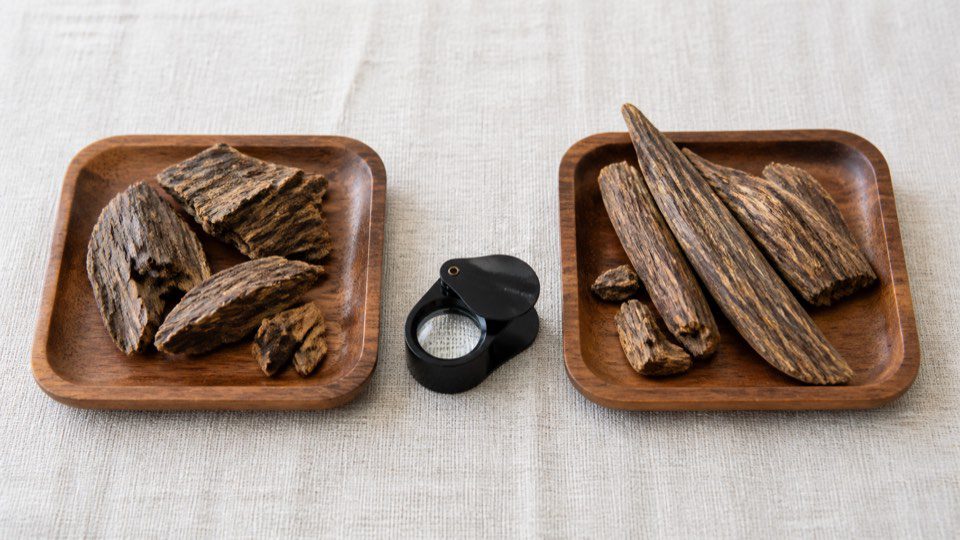
There is no universally “best” agarwood market. The best market is the one that legally accepts your exact product form, uses a clear grading and inspection method, verifies origin and chain of custody, protects payment and rejection rights, and produces the best landed value for a buyer—or net proceeds for a seller.
A city’s reputation, a marketplace badge, or a high asking price is not proof of authenticity, completed trade, or legal admissibility. Compare the transaction framework before comparing locations.
Last reviewed: August 12, 2026. Scope: English-language guidance for international and U.S. buyers and sellers. This page does not rank countries, endorse brokers, quote a universal market size, or offer to buy raw agarwood.
Where Is the Best Agarwood Market?
The answer depends on product form, legal route, evidence, quantity, and buyer purpose. A retail market may be suitable for a small pack of incense chips but unsuitable for a plantation log, live seedling, wholesale oil lot, or collector object. Define the goods first.
| Market channel | Best suited to | Evidence to require | Main limitation |
|---|---|---|---|
| Specialist retail | Small chips, incense, oil, or finished objects | Exact listing, net quantity, batch disclosure, return policy, legal origin statement | Retail-equivalent price cannot be applied to a wholesale kilogram |
| Business-to-business wholesale | Documented commercial lots | Seller identity, representative sample, specification, legal acquisition, permits, delivery terms | Headline quote may exclude grading loss, commission, freight, duties, or rejection |
| Brokered/private transaction | Specialized lots where counterparties need introductions | Broker authority, fee agreement, buyer identity, proof of funds, inspection and contract terms | Layered commissions and unverifiable buyers can reduce proceeds or increase fraud risk |
| Auction/collector sale | Unusual, well-documented objects with established provenance | Condition report, catalog description, provenance, fees, reserve and completed-sale record | An exceptional auction result is not a normal commodity price |
| Online marketplace | Discovery and small retail comparison | Exact seller identity, batch photos, platform protection, product and shipping records | Copied images, unverifiable grades, illegal shipping, and asking prices are common risks |
Do not choose a market only because it is in a producing region or a city associated with oud culture. Production, expertise, retail selection, legal export, and transaction protection are different attributes.
For product-form evidence, seller verification, payment protection and U.S. cross-border checks before an e-commerce order, use the dedicated guide to buying agarwood online.
How Should Two Agarwood Markets Be Compared?
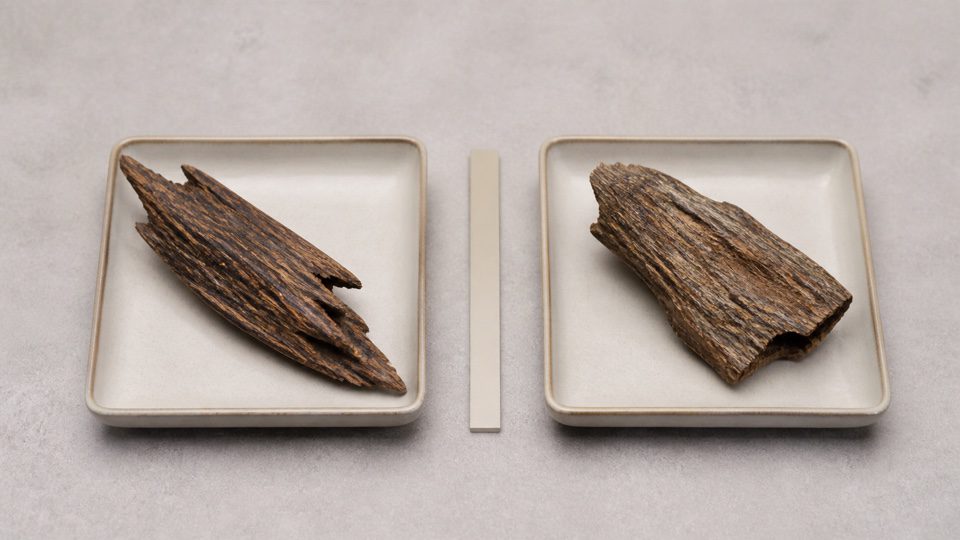
Score both markets against the same specification and transaction terms. If the inputs differ, the prices are not comparable.
| Decision factor | Questions to answer |
|---|---|
| Legal admissibility | Can this taxon, source, product term, quantity, and origin legally leave the exporter and enter the destination? |
| Product definition | Is the lot live plants, logs, wood pieces, chips, powder, oil/extract, incense, beads, or a finished object? |
| Identity and provenance | Which claims are verified, seller-stated, or unknown? Do documents match the exact lot? |
| Inspection and grading | Who samples the lot, by what method, and what can be rejected or regraded? |
| Price basis | Is the number an asking price, completed sale, farmgate, wholesale, retail, auction hammer, or delivered price? |
| Transaction protection | Are payment, escrow, refund, inspection, dispute, and governing-law terms written? |
| Logistics and compliance | Who pays for permits, certificates, testing, packing, freight, insurance, duties, inspection, and seizure/return risk? |
| Counterparty evidence | Can the legal business, beneficial recipient, permit holder, bank account, and references be independently checked? |
For a buyer, compare total landed cost. For a seller, compare net proceeds:
Landed cost = goods + grading/testing + permits + packing + freight + insurance + duties/tax + payment costs + expected loss
Net proceeds = accepted quantity × accepted unit price − grading loss − commissions − permits − logistics − tax − dispute/nonpayment risk
The agarwood price guide explains how to normalize product form, weight, moisture, grade, trade level, and delivery terms before comparing quotes.
What Documents Should a Legal Agarwood Market Require?
Documents must identify the goods and transaction, not merely display a certificate logo. Requirements depend on the taxon, annotation, source, product form, origin, destination, and whether the movement is export or re-export.
- Seller and buyer legal identities and transaction invoice.
- Scientific name where required; common name alone is insufficient.
- Country of origin, legal acquisition, plantation/harvest or prior-import records as applicable.
- Exact product term, quantity, unit, lot or batch code, and representative description.
- CITES export, re-export, import, or protected-plant documents where the listing and annotation require them.
- Phytosanitary, plant-health, customs, and designated-port requirements for the exact shipment.
- Chain of custody linking source records, permits, invoice, packing list, labels, and received lot.
The U.S. Fish & Wildlife Service advises checking the scientific name and listing annotation in Species+ because annotations determine which parts and derivatives may require documents. U.S. importers and exporters must also check APHIS, Customs and Border Protection, designated-port, plant-health, and protected-plant requirements. See Oudgo’s agarwood legality and CITES guide for the decision path.
Can the CITES Trade Database Identify the Biggest or Best Market?
It can show Party-reported international trade records, but it cannot by itself identify the “best” commercial market or a universal price. A defensible query must state the year range, exporter, importer, taxon, source, purpose, trade term, unit, and reporting basis.
The official CITES Trade Database guide explains several interpretation limits:
- Records come from annual reports submitted by Parties and can be based on actual trade or permits issued.
- A permit quantity can exceed the quantity actually traded, and some permits may not be used.
- Exporter- and importer-reported records can differ.
- Trade terms and units must not be added as if they describe the same goods.
- Reported international trade does not equal domestic market size, retail demand, illegal trade, or completed-sale price.
Use the database to study a declared scope, cross-check both reporting partners, and disclose limitations. Do not convert a total of “chips,” “wood,” “powder,” “extract,” “oil,” or “live” records into one market-value claim.
How Can Buyers Reduce Risk in an Agarwood Market?
- Define the intended use and product form. Incense heating, perfumery, collecting, jewelry, and propagation require different evidence.
- Check the legal route before paying. Confirm origin, destination, scientific name, CITES annotation, plant-health rules, and permit timing.
- Verify the counterparty independently. Match the business, permit holder, invoice, bank account, website, and physical contact details.
- Request exact-lot evidence. Batch code, dated photos/video, representative sample, net weight, condition, grade method, and chain of custody should agree.
- Write acceptance rules. Define inspection window, sampling, regrading, rejection, refund, damage, document failure, and dispute handling.
- Use protected payment and shipping. Avoid irreversible payment to a different person or entity and never accept misdeclaration as a “customs solution.”
- Keep the complete record. Retain listings, messages, contracts, permits, invoices, packing lists, payment, shipping, and receipt inspection.
For authenticity screening, use the evidence-led agarwood grading framework. Color, sinking, aroma, origin, and seller certificates are not standalone proof.
How Can Sellers Choose a Real Agarwood Buyer?
A real buyer should define the entity, product specification, inspection method, legal route, payment capacity, fees, and contract terms before requesting shipment or large upfront charges. A message claiming to buy “all agarwood at the highest price” is not a qualified offer.
Prepare a seller evidence pack containing ownership/legal acquisition, taxon and source disclosures, lot inventory, representative sampling, condition, grading method, current photos, permit path, delivery terms, and contactable authority records. Then compare written net proceeds rather than headline price.
The how to sell agarwood guide provides the complete buyer due-diligence, contract, documentation, and downside checklist. Oudgo does not publish an open offer to purchase undocumented trees or raw lots.
Does the Best Market Depend on Where Agarwood Grows?
Natural distribution and commercial market access are related but not interchangeable. An Aquilaria species can be native or cultivated in one country while the goods are graded, processed, retailed, or re-exported elsewhere. A place name does not prove species, wild or plantation source, aroma, grade, or legal origin.
Use the separate agarwood geographic distribution guide for accepted species ranges and the distinction between native range, cultivation, processing, retail, and trade. Do not harvest from wild trees or infer that a named region authorizes collection.
Where Do Seeds and Seedlings Fit in the Market?
Seeds and live seedlings are propagation material, not miniature guarantees of future agarwood value. Compare taxon, lot or nursery record, collection/propagation date, origin, plant health, import eligibility, and landed cost per established plant. Do not use future wood-price claims to justify a seedling quote.
See the agarwood seed and seedling verification guide and the separate germination and seedling-care guide.
How Should Local Buyers Evaluate Cambodian Chips or Philippine Sellers?
Evaluate the seller, exact lot, product form and legal route; a Cambodia or Philippines label is not proof of authenticity, grade, aroma or lawful trade. Local availability changes, so Oudgo does not treat a social-media group, marketplace listing or named supplier as permanently verified.
| Buying intent | Evidence to request | Correct next guide |
|---|---|---|
| Cambodian agarwood chips | Exact-lot photos, net weight, condition, treatment/additive disclosure, seller-stated origin, chain of custody, grade method and controlled-heating sample | Authenticity checks, grading and safe heating |
| Seedlings in the Philippines | Scientific name, nursery/propagation record, plant-health status, current collection/transport rules and any required permits | Seed and seedling verification plus the legal/CITES decision guide |
| Finished products sold in the Philippines | Seller identity, exact product and batch, invoice, ingredient or treatment disclosure, return terms and current cross-border documents when imported | Import and trade checklist |
Do not infer that all Cambodian chips share berry, fig or tranquilizing effects, or that every genuine piece sinks. Aroma varies with material, condition and heating method; density is only one observation. Compare current evidence for the exact lot rather than a national scent stereotype or an undated marketplace recommendation.
What Are the Red Flags in Agarwood Market Claims?
- A city or country is declared the “best market” without a defined product, date, trade level, or evidence.
- Asking prices, social-media offers, and exceptional auction results are presented as normal completed sales.
- Wild, sinking, kynam/kyara, origin, age, or species claims rely only on appearance or seller language.
- One certificate does not match the lot, holder, quantity, taxon, origin, destination, or validity period.
- The seller or broker proposes false customs descriptions, split shipments, hidden plants, or altered invoices.
- A buyer promises guaranteed returns, requests repeated advance fees, or cannot prove funds and legal identity.
- A CITES database total is converted into a market price without product terms, units, reporting basis, and limitations.
Frequently Asked Questions
Which country has the best agarwood market?
No country is best for every transaction. Define the product, quantity, legal route, evidence, inspection, trade level, payment protection, and logistics. A specialist retail market may suit small chips or oil, while documented commercial lots require a compliant business-to-business route.
Is a producing country automatically cheaper or more authentic?
No. Geographic proximity does not prove taxon, origin, legal acquisition, grade, or completed-sale value. Processing, selection, documents, taxes, trade level, and seller risk affect cost. Verify the exact lot and calculate landed cost rather than relying on a country label.
Can CITES data show agarwood market prices?
The CITES Trade Database records Party-reported international trade using taxon, term, unit, source, purpose, exporter, importer, and year fields. It is not a universal price database and does not represent all domestic, retail, or illegal trade. Asking prices must not be attached to aggregate CITES quantities.
What is the safest way to buy agarwood internationally?
Check admissibility before payment; verify the counterparty and exact lot; require matching legal, invoice, packing, and shipping records; define inspection and rejection rights; use protected payment; and route the shipment through the authorities and ports required by the origin and destination.
How should sellers compare two agarwood buyers?
Compare written net proceeds after grading loss, commissions, permits, freight, insurance, tax, payment timing, and dispute risk. Require verified identity, proof of funds, product specification, sampling, acceptance rules, legal route, and contract terms before shipping or paying a broker.
Does Oudgo buy agarwood trees or raw lots?
Oudgo does not publish an open offer to purchase undocumented trees or raw lots. A seller should not interpret educational content as a quotation or buyer commitment. Use the seller due-diligence checklist and verify any counterparty independently in writing.
Sources and Editorial Limitations
- CITES Trade Database — official Party-reported trade records
- CITES Trade Database Guide — reporting and interpretation limitations
- CITES — agarwood-producing taxa and plant-trade resources
- U.S. Fish & Wildlife Service — CITES-listed wood and timber trade
- USDA APHIS — CITES/ESA-regulated plants and timber permits
Editorial limitation: This framework is not a market ranking, price appraisal, legal opinion, customs decision, seller endorsement, or transaction guarantee. Regulations and market conditions change. Confirm the exact taxon, annotation, goods, origin, destination, and current requirements with the competent authorities. Oudgo Editorial Team maintains the page under the public Editorial Policy; no fictional personal expert is presented.
