
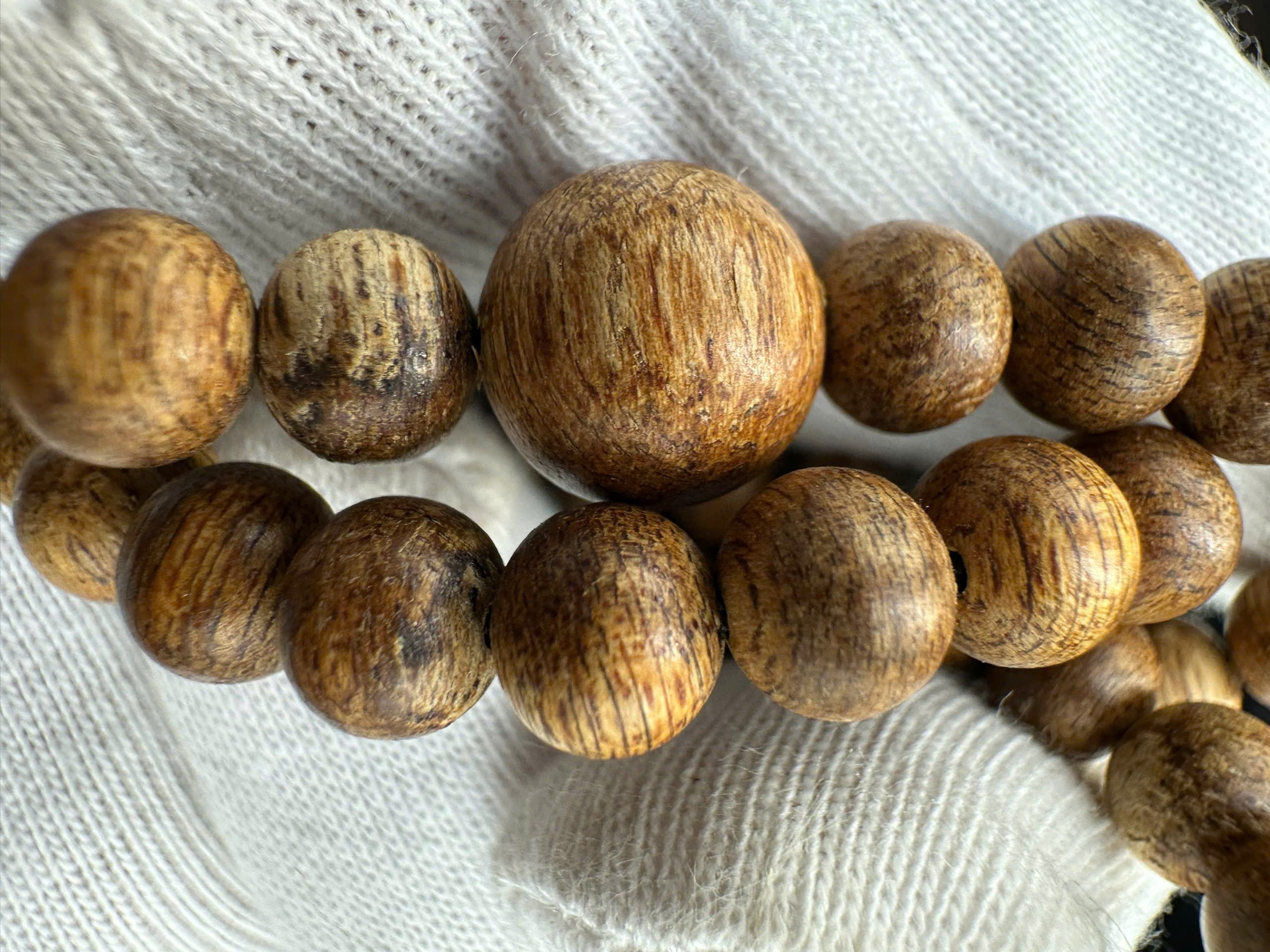
How to Use Mala Beads for Mantra Practice
A mala can give a simple tactile structure to repeated mantra practice: one bead marks one repetition, and the strand helps the hand keep place. The practice itself belongs to Hindu, Buddhist, regional, and teacher-guided contexts that do not all use the same words, hand position, direction, or count. This guide offers a neutral starting sequence for understanding the object while leaving tradition-specific instruction to the reader’s own teacher or community.
Choose a mantra, intention and counting approach
Begin by deciding what kind of practice you are actually doing. Some people use a mala in a tradition-specific mantra recitation; others use it to support quiet attention, breath awareness, or a simple repeated phrase. If you have received instruction from a teacher, follow that instruction first. It may include details that a general article should not override.
An intention can be as simple as setting aside a few focused minutes. Avoid treating a mala as a device that guarantees calm, healing, protection, or a particular spiritual result. The beads support a rhythm; they do not replace study, community, or the meaning of the practice itself.
A full mala often has 108 beads, but other counts and wrist forms exist. For the structure and evidence boundaries around those forms, see Mala Beads Meaning: 108 Beads, Guru Bead and Variations.
How to hold the mala and find the starting bead
Find the distinctive guru bead or other terminal marker before beginning. It often gives the hand a recognizable point from which to start a sequence. Hold the strand in a comfortable way that does not pull the cord, force the beads, or distract from the practice. Some traditions recommend a particular hand or finger; others differ. A general guide should not turn one customary approach into a rule for everyone.
Let the strand rest naturally rather than stretching it tightly. If the beads are very small, give yourself enough light and time to identify the marker without rushing. If the strand is an heirloom, delicate material, or part of a community practice, ask the owner or teacher about any preferred handling before use.
| Stage | Neutral action | Tradition-specific question |
|---|---|---|
| Prepare | Choose a calm place and one intended practice | Is there a preferred setting or preparation? |
| Start | Locate the marker or guru bead | Is a specific start point taught? |
| Count | Move one bead per repetition | Is a hand or direction specified? |
| Complete | Pause at the marker and end or turn as taught | What does your lineage recommend? |
Move one bead per repetition
After a phrase, mantra, or intentional breath, move to the next bead. The bead is a record of one completed repetition, so there is no need to count aloud or repeatedly look down at the strand. Move slowly enough that the action remains connected to the words or breath rather than becoming automatic fidgeting.
If you lose your place, simply pause, notice where you are, and continue without frustration. The purpose of the tool is to support attention, not to create pressure about a perfect number. If a teacher has given you a particular sequence, use that. If you are learning independently, keep the practice modest and avoid claiming that a self-chosen count follows a universal tradition.
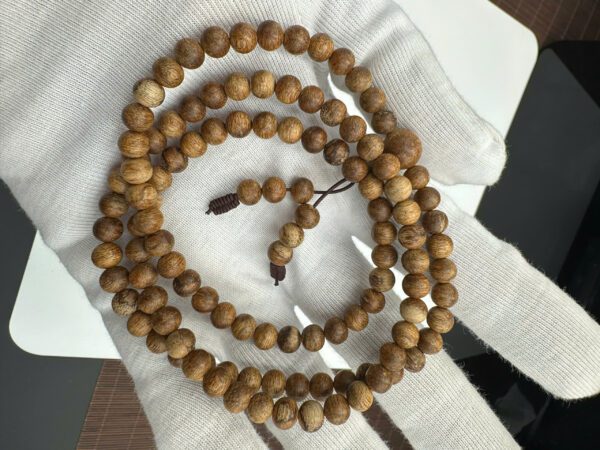
What to do when you reach the guru bead
When you reach the guru bead or terminal marker, pause. In many explanations, the marker shows that a full circuit has been reached. Some practitioners stop there; others reverse direction rather than crossing the marker; others follow a different teacher-guided method. The important point is that the marker gives the strand a recognizable boundary.
Do not assume that one gesture around the guru bead is obligatory for every Hindu or Buddhist tradition. If the distinction matters to your practice, ask the person or community from whom you learned it. A clear pause and a respectful decision is better than borrowing a rule from an unrelated source.
The National Museum of Asian Art describes malas as prayer beads used for mantra recitation in Hindu and Buddhist art contexts. That evidence supports the use of a bead sequence; it does not prescribe a single contemporary turning method.
Breath, pace and attention during the count
Choose a pace that allows the phrase, sound, or breath to remain intelligible to you. There is no benefit in moving the beads so quickly that the count becomes disconnected from attention. If your breath is uncomfortable, shorten the session or return to ordinary breathing rather than forcing a pattern.
Keep the body comfortable. You may sit, stand, or use another posture appropriate to your practice and physical needs. The goal is not to imitate a photograph or a product page. A calm environment, a manageable duration, and an intact strand are enough for a simple beginning.
Distraction is normal. When the mind wanders, notice it and return to the next bead without judging the session. Beads are useful because they provide a physical point of return; they are not a measure of whether someone has practiced well.
Adapt the practice without inventing universal rules
Adaptations are practical when they respect context. A person may choose a shorter wrist strand because a full mala is not practical to carry, may pause after a few repetitions because time is limited, or may use a simple breath count in a secular reflective setting. These choices describe a personal routine, not a claim about religious authority.
Be cautious with online advice that insists every mala must be held in one hand, moved in one direction, or used with one universal mantra. Hindu and Buddhist traditions are diverse. For Buddhist count and school differences, see Buddhist Prayer Beads: Meaning, Counts and School Differences; follow tradition-specific guidance when it is available.
Clean and store the mala after use
After practice, place the mala somewhere clean, dry, and protected from tangling or crushing. Do not leave it in direct sun, near water, or mixed with items that can transfer fragrance, dirt, or abrasion. If it belongs to someone else, return it as they prefer rather than assuming a display or storage method.
Care depends on material. Wood, seed, stone, cord, and metal elements respond differently to moisture and friction. Avoid soaking, aggressive polishing, or perfume products unless the maker and material guidance make them appropriate. A frayed cord deserves attention before it breaks during use.
For material-specific care of agarwood beads and bracelets, read How to Care for Agarwood Prayer Beads and Bracelets. Practical care protects the strand; it does not create or remove spiritual value.
Keep a beginner session simple
Choose one phrase or intention, move one bead at a time, stop at the marker, and store the strand carefully. A simple practice is easier to understand than a long routine borrowed from several conflicting sources.
Ask when practice details matter
If a mantra, count, hand position, or ritual sequence is important to your faith, ask a qualified teacher or trusted community member. That is the right place for instruction beyond a general explanation of the beads.
How to learn without copying a performance
It is easy to encounter a visual sequence online and assume it is the whole tradition. A photograph of someone holding beads, a social-media reel, or a product description may show one person’s habit without explaining their teacher, language, lineage, or setting. Use visual material as a prompt to ask better questions, not as a complete method to imitate.
Sources from museums can establish broad context. The National Museum of Asian Art notes a mala as an aid to mantra recitation in a Hindu artwork, while its collections also document Buddhist prayer-bead contexts. Living practice remains more specific than a collection description.
Using a new or gifted mala
If the mala is new to you, spend a moment learning its physical structure before starting. Identify the marker, check that the cord is sound, and decide where it will be stored. If it was gifted or inherited, ask whether the giver has a preferred context for it. That conversation can prevent accidental assumptions about a personal or community item.
You do not need a complicated ritual to begin respectfully. You need a clear purpose, an intact strand, a manageable pace, and the humility to seek guidance when a tradition gives more specific instruction.
End with attention rather than a claim
When the session is complete, pause before putting the mala away. Notice the end of the count, return the strand to a safe place, and avoid turning the experience into evidence of a guaranteed result. This keeps the practice grounded in attention and respect rather than product promises.
