
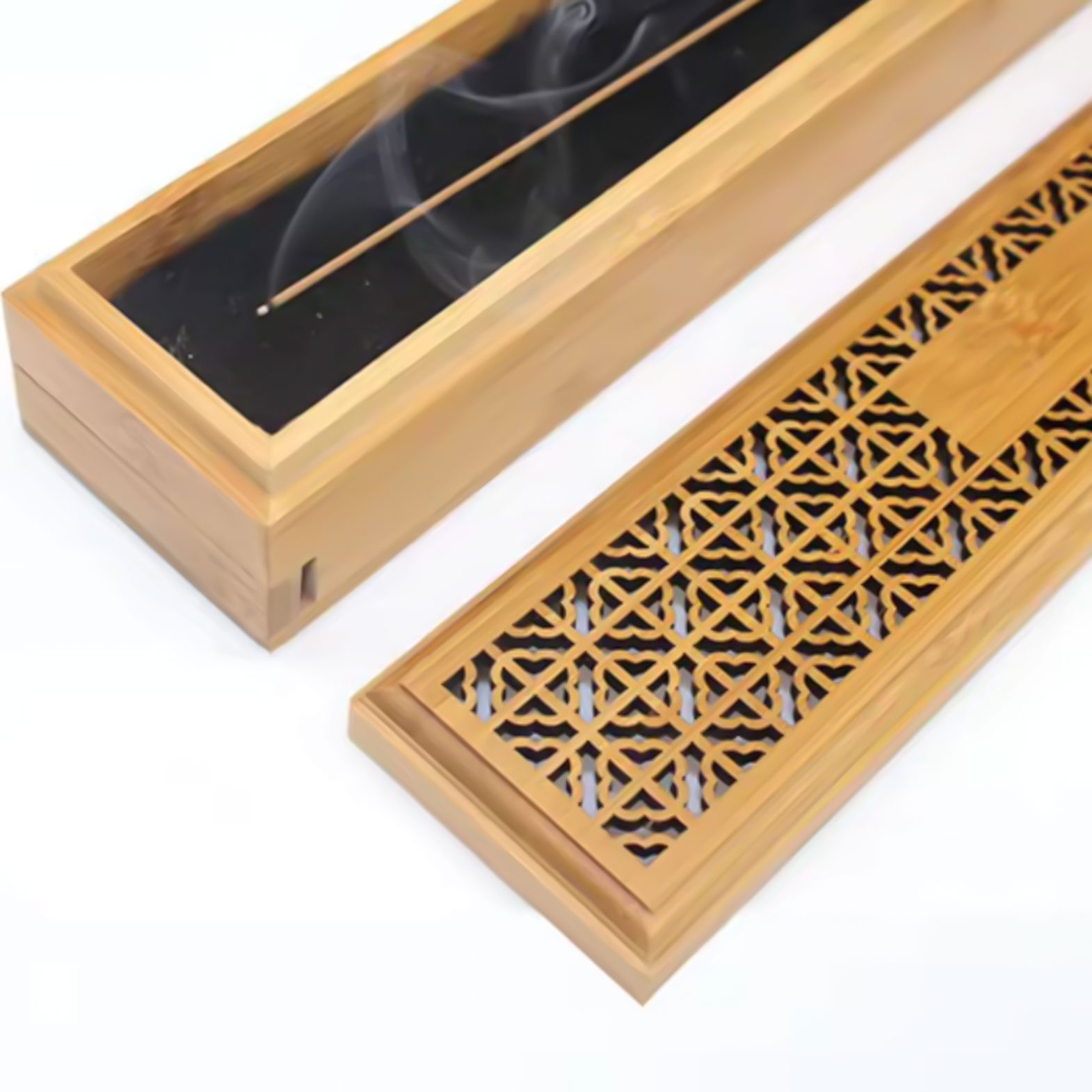
How to Store Incense Sticks, Cones and Powder
Store incense dry, dark and separated by scent. Airtight packaging preserves a dry product; it does not rescue material that already contains moisture.

Incense, Heating & Safety
Readers searching “how to store incense” need a clear distinction between what can be observed, what can be verified and what remains uncertain. Turn storage into a format-specific system that protects scent, shape and batch identity.
The storage conditions incense needs
Read this factor alongside relative humidity, packaging, and separation. It can inform a decision about Incense storage, but it does not by itself prove origin, authenticity, safety, quality or spiritual meaning. The context, source and use method remain part of the answer.
- Observe the condition in the actual use setting.
- Record what is known and what is only claimed.
- Use the result to decide whether to continue, compare or ask for stronger evidence.
The key relationship here is that container, temperature and humidity management reduce physical damage, contamination and scent loss. The working variable to watch is relative humidity; compare it with coils under the same conditions whenever possible. airtight storage can trap existing moisture; strong scents can cross-contaminate
Store sticks without warping, crushing or scent transfer
Read this factor alongside relative humidity, packaging, and separation. It can inform a decision about Incense storage, but it does not by itself prove origin, authenticity, safety, quality or spiritual meaning. The context, source and use method remain part of the answer.
- Observe the condition in the actual use setting.
- Record what is known and what is only claimed.
- Use the result to decide whether to continue, compare or ask for stronger evidence.
The key relationship here is that container, temperature and humidity management reduce physical damage, contamination and scent loss. The working variable to watch is packaging; compare it with powder under the same conditions whenever possible. airtight storage can trap existing moisture; strong scents can cross-contaminate
Store cones and coils without breakage
Read this factor alongside relative humidity, packaging, and separation. It can inform a decision about Incense storage, but it does not by itself prove origin, authenticity, safety, quality or spiritual meaning. The context, source and use method remain part of the answer.
- Observe the condition in the actual use setting.
- Record what is known and what is only claimed.
- Use the result to decide whether to continue, compare or ask for stronger evidence.
The key relationship here is that container, temperature and humidity management reduce physical damage, contamination and scent loss. The working variable to watch is separation; compare it with airtight container under the same conditions whenever possible. airtight storage can trap existing moisture; strong scents can cross-contaminate
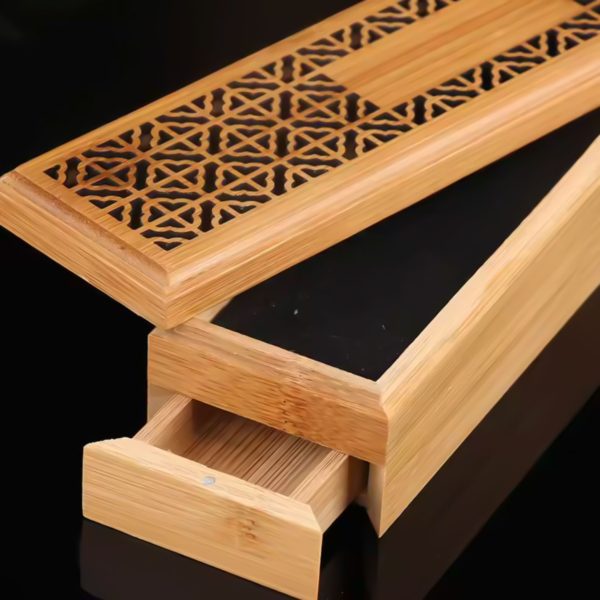
Store powder away from humidity and contamination
Read this factor alongside relative humidity, packaging, and separation. It can inform a decision about Incense storage, but it does not by itself prove origin, authenticity, safety, quality or spiritual meaning. The context, source and use method remain part of the answer.
- Observe the condition in the actual use setting.
- Record what is known and what is only claimed.
- Use the result to decide whether to continue, compare or ask for stronger evidence.
The key relationship here is that container, temperature and humidity management reduce physical damage, contamination and scent loss. The working variable to watch is label; compare it with humidity under the same conditions whenever possible. airtight storage can trap existing moisture; strong scents can cross-contaminate
Decision frame
| Check | What to compare | Why it changes the decision |
|---|---|---|
| 1. relative humidity | sticks | Use the same condition, description and evidence standard before drawing a conclusion. |
| 2. packaging | cones | Use the same condition, description and evidence standard before drawing a conclusion. |
| 3. separation | coils | Use the same condition, description and evidence standard before drawing a conclusion. |
| 4. label | powder | Use the same condition, description and evidence standard before drawing a conclusion. |
Separate strongly scented products and batches
Read this factor alongside relative humidity, packaging, and separation. It can inform a decision about Incense storage, but it does not by itself prove origin, authenticity, safety, quality or spiritual meaning. The context, source and use method remain part of the answer.
- Observe the condition in the actual use setting.
- Record what is known and what is only claimed.
- Use the result to decide whether to continue, compare or ask for stronger evidence.
The key relationship here is that container, temperature and humidity management reduce physical damage, contamination and scent loss. The working variable to watch is inspection interval; compare it with light under the same conditions whenever possible. airtight storage can trap existing moisture; strong scents can cross-contaminate
Choose containers, labels and storage locations
Evidence has levels. A seller description and a sensory impression can be useful starting points, but they are not equivalent to a traceable production record, botanical identification, laboratory method or current regulatory source. Match the strength of the conclusion to the strength of the record.
- Keep photographs, invoices, batch details and origin statements together.
- State whether a fact is observed, documented by a seller, or independently verified.
- For rules and protected-species questions, check the current authority for the relevant jurisdiction before purchase or shipment.
The key relationship here is that container, temperature and humidity management reduce physical damage, contamination and scent loss. The working variable to watch is relative humidity; compare it with odor transfer under the same conditions whenever possible. airtight storage can trap existing moisture; strong scents can cross-contaminate
A periodic condition check and discard rule
Read this factor alongside relative humidity, packaging, and separation. It can inform a decision about Incense storage, but it does not by itself prove origin, authenticity, safety, quality or spiritual meaning. The context, source and use method remain part of the answer.
- Observe the condition in the actual use setting.
- Record what is known and what is only claimed.
- Use the result to decide whether to continue, compare or ask for stronger evidence.
The key relationship here is that container, temperature and humidity management reduce physical damage, contamination and scent loss. The working variable to watch is packaging; compare it with batch label under the same conditions whenever possible. airtight storage can trap existing moisture; strong scents can cross-contaminate
Common storage questions
Store incense sticks?
The answer depends on the exact Incense storage, its stated attributes and the evidence tied to the item or situation. airtight storage can trap existing moisture; strong scents can cross-contaminate
Keep incense fresh?
For “keep incense fresh,” use the same framework from this guide: define the terms, compare relative humidity, packaging, and separation and state the limitation before drawing a conclusion.
Incense humidity?
For “incense humidity,” use the same framework from this guide: define the terms, compare relative humidity, packaging, and separation and state the limitation before drawing a conclusion.
For signs that incense has lost scent or condition, read Does Incense Expire? Shelf Life and Scent Loss. If moisture or storage conditions affect burning, see Why Incense Will Not Stay Lit.
