
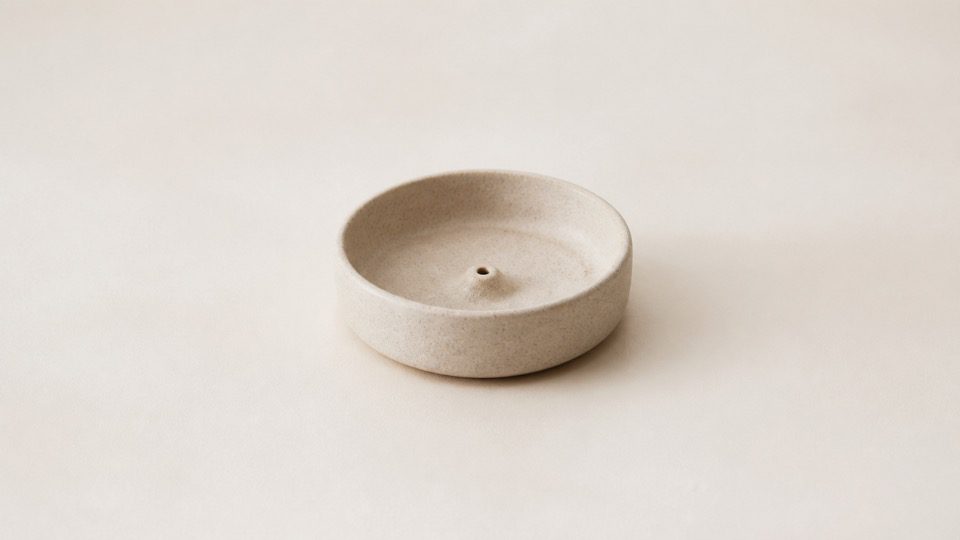
Electric Incense Burner for Oud Chips: Selection and Temperature Control
An electric incense burner can be a practical way to enjoy oud chips without asking the wood itself to sustain a flame. Instead of direct combustion, a heating plate or chamber warms a small chip and releases aroma gradually. The useful features are not decorative lights or a large lid; they are stable heat control, a surface that is easy to clean, an appropriate chamber size, and electrical safety that suits the place where you will use it.
When an electric incense burner is the right tool for oud chips
Choose an electric burner when you want measured heat, less visible smoke than direct burning, and the ability to repeat a small test. It can suit a desk, living room, or calm ritual where a stable outlet and a heat-safe surface are available. It is particularly useful for aromatic wood that develops more clearly when warmed slowly rather than placed on a very hot coal.
An electric burner is not automatically the best choice for every material. Some loose incense is designed to smolder, and some users prefer the traditional heat profile of charcoal. A device also does not remove the need for ventilation, surface protection, or supervision. It simply gives you a more controllable heat source if the material and room are suitable.
For the basic process of warming wood, see how to use agarwood chips for aroma. Begin with the chip size and setup recommended for your particular burner.
Plate, cup and chamber designs compared
Plate-style burners expose the chip on a flat heating surface. They are easy to inspect and clean, but the chip may receive heat quickly if the plate is thin or set high. Cup-style burners place material in a small removable vessel, which can contain residue and make portioning easier. Chamber designs use a lid or cover to guide aroma upward; they can look elegant, but the chamber must still be accessible for cleaning and must not hide a scorched sample from view.
| Design | Useful advantage | Check before buying |
|---|---|---|
| Open plate | Easy to observe and wipe | Does heat rise too quickly? |
| Removable cup | Contains resin and residue | Can the cup be removed after cooling? |
| Covered chamber | Directs aroma and protects the sample | Can you inspect and clean the chamber? |
| Decorative lamp unit | May suit a specific setting | Is heat control real or only on/off? |
Choose the design that lets you see the material, make small adjustments, and clean residue without disassembling a fragile device. The best burner is the one you can use predictably, not the one with the most ornament.
Temperature control: warming aroma without scorching wood
Temperature displays are helpful, but the number on a device is not always the exact temperature of the chip. Plate material, cup thickness, room air, and the size of the sample all change the heat at the wood itself. Begin at the lowest useful setting and give the chip several minutes to warm. A slow response is normal; jumping straight to high heat usually produces char before you understand the material.
Use a small portion, ideally one chip or a small fragment. If the aroma is weak, increase heat in small steps or wait longer. If the scent becomes acrid, smoky, or burned, turn the unit down or off. Do not keep adding fresh wood onto a scorched residue, because it makes it harder to judge what the new sample is doing.
Indirect heating aims to volatilize aroma, while scorching breaks down the material more aggressively. This is why gentle temperature control often gives a clearer and more repeatable session than the highest setting.
A controlled first-use test with a small oud chip
Place the burner on a level heat-resistant surface, with the cord clear of water, fabric, and walkways. Confirm that the cup or plate is clean and dry. Put one small chip in the center, set the device to a low starting level, and note the time. Stay nearby while it warms. Do not test a new device while you are cooking, leaving home, or preparing to sleep.
Observe the aroma, not just the visible behavior. Is it gentle, balanced, and comfortable in the room? Is the chip darkening slowly or immediately? Does residue collect in a manageable place? After ten to fifteen minutes, decide whether a small temperature adjustment is needed. Change one variable at a time so the result remains understandable.

How to compare scent output, residue and clean-up
Compare burners using the same kind and size of chip under similar room conditions. A stronger aroma at the beginning is not always a better result if it comes with scorching or difficult clean-up. Look for a device that lets a small portion release scent comfortably and leaves residue in a place you can reach after cooling.
Some chips leave natural oils or darkened material. This is normal to a degree, but residue should not build until it interferes with the next session. Let the unit cool fully, then wipe the removable cup or plate with a soft cloth suited to the device material. Do not pour water onto a warm surface and do not scrape aggressively at a coated heating plate.
Compare formats as well as devices. Chips, sticks, and cones offer different levels of heat control and visible smoke; this comparison of oud chips, incense sticks, and cones can help match the format to the session.
Electrical and surface safety checks before buying
Before buying, check whether the device has a stable base, a clear power rating, a reliable switch or temperature control, and a cord length that will not force it across a busy surface. A removable cup is helpful, but only if it remains secure while hot. The outside of the unit should not place combustible decoration next to the heating area.
Use the burner on a dry surface that can tolerate warmth, away from curtains, paper, pets, and children. Do not use a damaged cord, a loose plug, or an extension setup that is not rated for the device. Switch the burner off when the session ends and wait for it to cool before moving or cleaning it. Electric heat is controlled heat, not unattended heat.
Buyer matrix: features worth paying for and features to skip
Pay for a stable base, meaningful heat adjustment, a cleanable plate or cup, accessible controls, and clear maker instructions. A timer or automatic shutoff can be helpful, but it should support supervision rather than replace it. A device that lets you use small samples at low heat is generally more useful than one designed around maximum heat or decorative effects.
Be cautious with vague claims such as smoke-free, therapeutic, or pure heat without details about temperature range, materials, or intended use. Extra lights, ornate finishes, and oversized chambers may be pleasant design choices, but they do not compensate for poor stability or a plate that scorches wood instantly. Before committing to a premium product, review seller specifications and return terms; the buyer checks in where to buy agarwood responsibly are useful for evaluating the surrounding product information.
Keep a simple setting record
When you find a comfortable temperature for a particular chip, note the setting and portion size. Wood density and aroma vary, so this will not be a universal formula, but it gives you a useful starting point next time and reduces unnecessary scorching.
After the session
Turn the unit off, allow it to cool completely, remove the spent chip, and clean only as the maker permits. Store the device dry with its cord protected. Small, repeatable habits are what make electric heating a controlled method rather than an uncertain experiment.
Do not compare chips by one high-temperature test
A chip that seems quiet at a low setting may reveal more character after several minutes, while the same chip can appear flat or harsh when heated quickly. Compare samples at a similar measured portion and setting. This protects the material and makes your notes meaningful. If a chip has already charred, start the next test with a clean cooled cup rather than layering fresh wood on top.
Adapt the device to the room, not the other way around
Even low-smoke heating can be too intense in a small unventilated room. Use a modest portion, keep fresh air available, and stop if the aroma becomes uncomfortable. The right setting is the one that suits the wood, device, room, and people present together.
A well-chosen electric burner makes the process slower and easier to observe. That is its real advantage: controlled aroma release without relying on decorative claims or excessive heat.
