
Oud Chips vs Incense Sticks vs Cones
Oud chips, incense sticks and cones can all scent a room, but they ask for different heat, equipment and attention. The best format is not the most expensive or intense one; it is the one you can use safely and enjoy in the space you actually have.
Begin with the least heat and material that meets your purpose. More smoke or a stronger first impression is not a sign that a format is the right fit.
Quick comparison: chips, sticks and cones
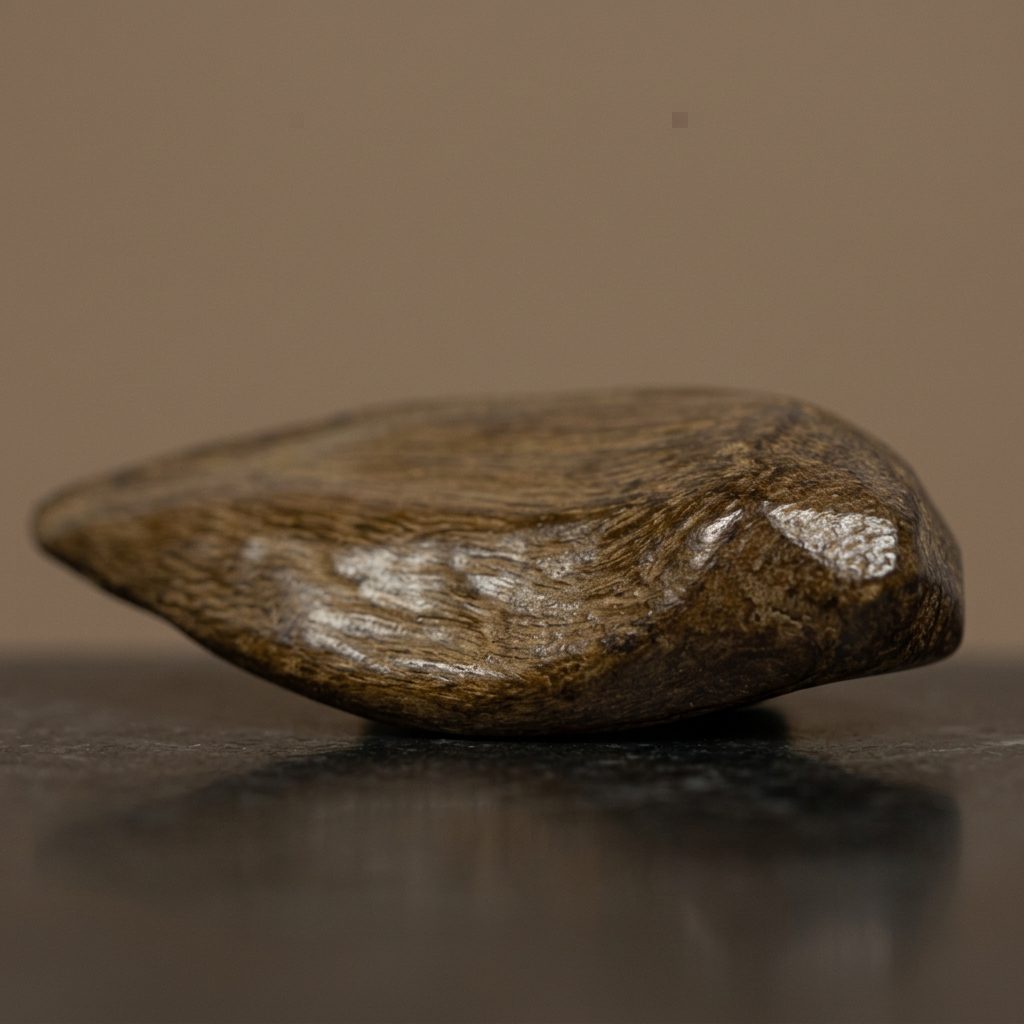
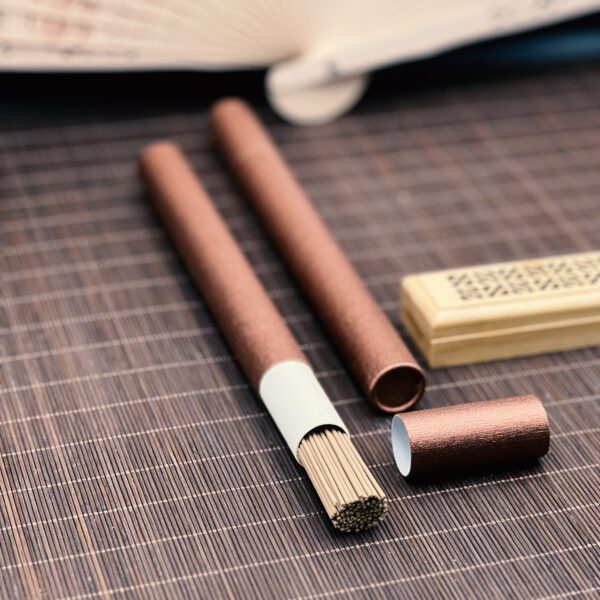
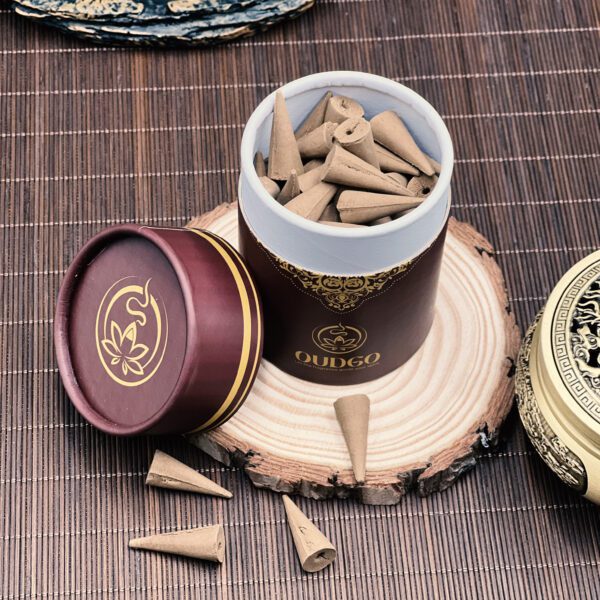
Chips are pieces of fragrant wood warmed on a compatible burner. They give the user the most control over quantity and temperature, but they require equipment and a little patience. Sticks are ready to light and simple to use with a proper holder. Cones are compact and often produce a more concentrated scent in a shorter session.
All three need supervision. Chips should not be treated like a stick and lit with an open flame unless their maker explicitly directs it. A stick or cone should not be placed on an improvised surface. Choose the form first, then the holder or burner that is designed for it.
Scent control and heat control
With chips, a lower controlled heat lets the aroma unfold gradually and gives you the option to stop after a small amount. With sticks and cones, the product burns from an ember, so the heat and smoke are less adjustable once lit. That makes them convenient, but it also means you should select a size that suits the room.
When comparing materials, change only one thing at a time. Use one chip in the same burner, or one stick in the same room, rather than burning several formats together. This makes it easier to notice the scent and easier to keep the set-up safe.
Smoke, ventilation and room suitability
Sticks and cones are combustion formats, so they produce smoke. Use them in a setting where the smoke can disperse sensibly and where no one has asked to avoid fragrance or smoke. A small shared room may call for a shorter session or a non-burning alternative.
Chips warmed indirectly can feel more measured, but they still need ventilation, a heat-safe burner and attention to temperature. Never assume that a subtle scent means there is no heat risk. Keep all formats away from textiles, pets, children and surfaces that cannot tolerate heat.
Equipment, learning curve and clean-up
| Format | What you need | What to watch |
|---|---|---|
| Chips | A compatible controlled-heat burner | Temperature, material amount and full cooling |
| Sticks | A stable holder with a long ash catch | Ash fall, drafts and unattended ember |
| Cones | A heat-safe cone holder | Surface heat, smoke concentration and full extinguishing |
Sticks are often the easiest first format because the set-up is direct. Chips require more learning but offer more control. Cones sit between the two: compact and simple, yet often stronger in a small room. Whichever you choose, wait for every ember and ash remnant to cool before clean-up.
Cost per session versus upfront equipment
A stick or cone may cost less to begin because the only extra purchase is a holder. Chips can ask for a dedicated burner, but a small amount may be enough for one session. Do not compare price by package size alone. Compare how much material you realistically use, what equipment is required and whether you enjoy the result enough to use it safely.
A higher upfront cost does not automatically mean a better scent. Start with the format that matches your habits, then add equipment only if you find yourself enjoying the process and can maintain it properly.
Which form fits meditation, hosting and scent exploration
For a short personal practice, one supervised stick can be straightforward. For hosting, use less than you think you need and consider guests who may be sensitive to smoke. For exploring agarwood material itself, chips with controlled heat let you observe the aroma without committing to a long burning session.
There is no rule that a particular form belongs to a particular ritual. Follow the expectations of a host or community where relevant, and keep the choice practical: room size, ventilation, attention and equipment matter more than a label.
A decision matrix and recommended starting point
Choose a stick if you want the simplest supervised starting point and already have a suitable holder. Choose a cone only if its holder contains the heat and you can manage a more concentrated plume. Choose chips if you are curious about the raw material and have equipment made for gentle, controlled heat.
For more detail on choosing sticks, read our incense-stick guide. For compatible burner set-ups, see our electric burner guide.
Questions readers ask
Are oud chips smokeless?
No heat method is entirely without consideration. Chips warmed indirectly may give more control, but they still need suitable equipment and ventilation.
Can I put a chip in a normal incense holder?
Use only a holder or burner designed for loose material and the heat method you intend to use.
Which format is best for beginners?
A single stick with a proper holder is often the simplest. Start small and remain with the ember.
Choose the form before the fragrance story
Chips, sticks and cones solve different problems. Chips are heated, not self-burning: they offer more control over the material and temperature, but require a suitable burner and closer attention. Sticks are ready for a familiar session with a holder, although their formula and smoke are part of the experience. Cones are compact and direct, but need a heat-safe base and can produce a concentrated short session. Do not compare them only by price or visible smoke.
For scent exploration, chips can reveal how a material changes under gentle heat. For a predictable daily session, a well-described stick may be simpler. For hosting or a short ritual, a cone can be practical only if the room, holder and supervision are appropriate. Ventilation, alarm sensitivity, people nearby and cleanup all belong in the decision.
Compare session cost honestly
Upfront equipment and cost per session are different questions. A burner for chips may cost more at first but lets you use small controlled amounts. A stick or cone needs less equipment, but the whole product burns in one session. Record the actual amount used, room result and cleanup rather than guessing from package price. More smoke is not more value, and a longer session is not better if it is uncomfortable or unsuitable for the space.
Use a small trial first. Keep the surface heat-safe, never leave a burning or heated session unattended, and let ash or material cool completely. The best starting point is the format you can use safely, understand clearly and repeat without forcing the room or the equipment to fit it.
For chip technique, see Burning Agarwood Chips. For the incense-form framework, see Agarwood Incense: Materials, Forms, Scent and Buying Guide. For electric heat control, see Electric Incense Burner for Oud Chips.
Use a decision matrix, not a prestige ranking
Make a simple matrix before ordering. For each format, list the equipment you already have, the amount of smoke you can tolerate, the level of heat control you want, the likely cleanup and the cost of a normal session. Chips suit a patient user who can manage an appropriate heater and wants to explore a material gradually. Sticks suit a user who wants a self-contained session and has a stable holder. Cones suit a shorter, more concentrated session when the base and room are suitable.
Then test the winner in the actual space. Use a modest amount, observe the room at normal distance and return after the session has settled. If the experience is too smoky, too strong, difficult to clean or hard to supervise, change the format rather than adding more product. A clear decision based on control, comfort and safe handling is more useful than trying to make every form behave the same way.
Keep the notes with the product name and batch where available. Over time, this turns a one-time comparison into a practical buying guide tailored to the spaces and sessions you actually have.
Start with one controlled session, not a large purchase. The right format is the one that remains safe, comfortable and understandable after you have used it in the real room, with the real equipment and normal attention available.
Use the same decision matrix whenever your room, routine or equipment changes.
Keep those notes with the sample for a more confident next choice.
Review the result slowly, safely and without forcing a preference.
Make that choice deliberately today.
If the room, routine or equipment changes, repeat a single small test instead of assuming the same format will behave the same way. A comfortable result comes from matching the material, the heat method and the actual space rather than from chasing a stronger scent.
