
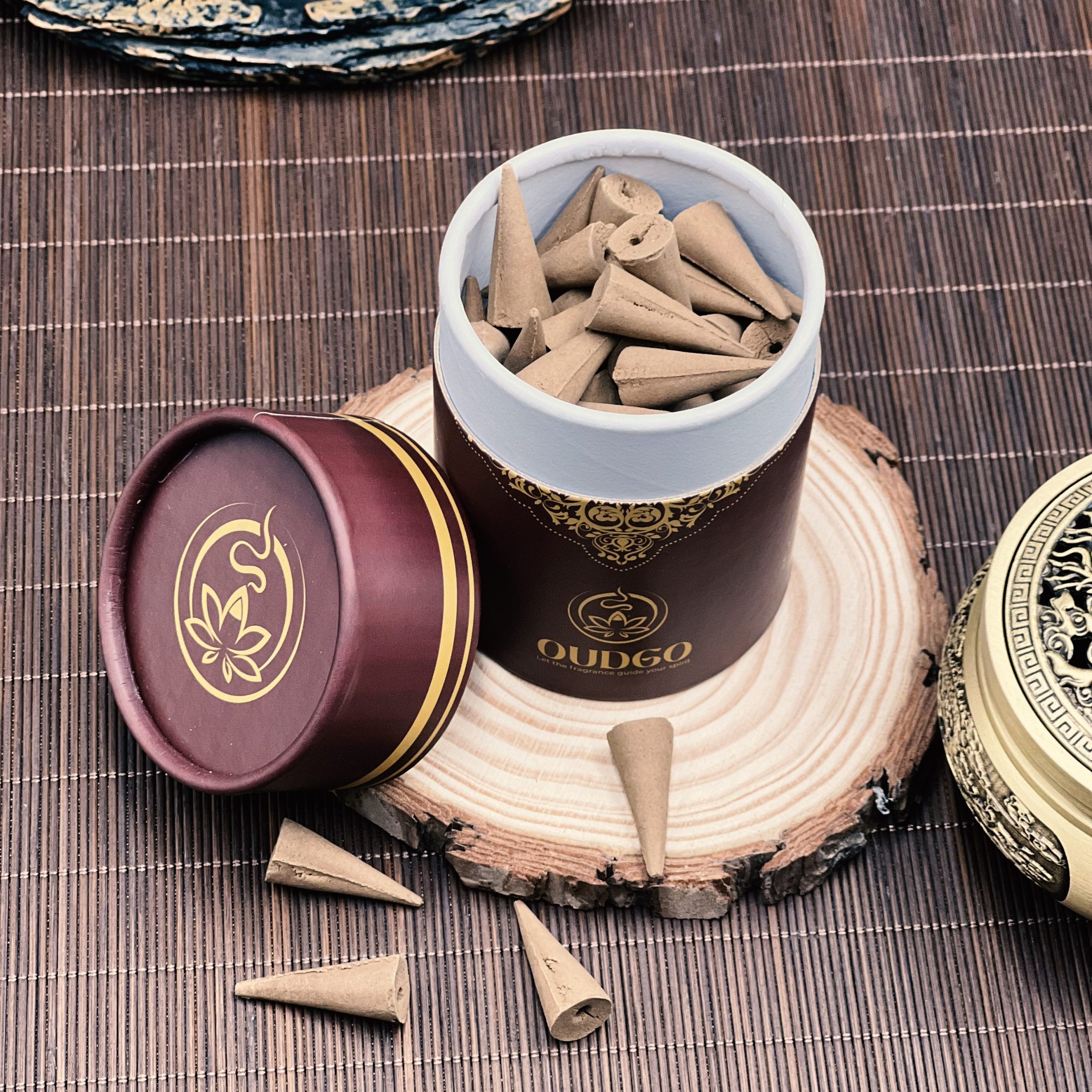
Why Incense Will Not Stay Lit
Repeated relighting is not a fix. Check product condition, moisture, ignition time, airflow and holder fit before trying again.

Incense, Heating & Safety
Why Incense Will Not Stay Lit is best understood through Incense ember failure, not through a single label or shortcut. Resolve lighting failures through a symptom-to-cause flow instead of repeating generic burning instructions.
Start with the symptom: no ember, weak ember or repeated extinguishing
Work in a controlled order: identify the material, prepare a stable heat-safe or clean surface, make one small change, and observe the result before proceeding. With Incense ember failure, increasing heat, dose, airflow or friction all at once makes troubleshooting impossible.
- Start with a small amount or short trial.
- Keep children, pets, textiles and combustible materials outside the working area where relevant.
- Stop when the aroma, smoke, heat or skin response is not normal for the product.
The key relationship here is that insufficient ignition, moisture, restricted airflow or formula defects can interrupt smoldering. The working variable to watch is ember size; compare it with density under the same conditions whenever possible. re-lighting repeatedly is not a substitute for checking product condition and airflow
Moisture and storage problems
Read this factor alongside ember size, humidity, and placement. It can inform a decision about Incense ember failure, but it does not by itself prove origin, authenticity, safety, quality or spiritual meaning. The context, source and use method remain part of the answer.
- Observe the condition in the actual use setting.
- Record what is known and what is only claimed.
- Use the result to decide whether to continue, compare or ask for stronger evidence.
The key relationship here is that insufficient ignition, moisture, restricted airflow or formula defects can interrupt smoldering. The working variable to watch is humidity; compare it with airflow under the same conditions whenever possible. re-lighting repeatedly is not a substitute for checking product condition and airflow
Lighting technique and insufficient ignition time
Read this factor alongside ember size, humidity, and placement. It can inform a decision about Incense ember failure, but it does not by itself prove origin, authenticity, safety, quality or spiritual meaning. The context, source and use method remain part of the answer.
- Observe the condition in the actual use setting.
- Record what is known and what is only claimed.
- Use the result to decide whether to continue, compare or ask for stronger evidence.
The key relationship here is that insufficient ignition, moisture, restricted airflow or formula defects can interrupt smoldering. The working variable to watch is placement; compare it with ignition under the same conditions whenever possible. re-lighting repeatedly is not a substitute for checking product condition and airflow
Airflow that is too weak or too strong
Begin with the simplest reversible cause. Check condition, moisture, airflow, contact with the holder or surface, and the amount of heat or product used. Change only one factor, then reassess; repeated adjustments at once can turn a small performance issue into a safety problem.
- Inspect for damage, residue or contamination before trying again.
- Return to a smaller dose, gentler heat or more stable set-up.
- Discard a damaged combustible product rather than forcing it to perform.
The key relationship here is that insufficient ignition, moisture, restricted airflow or formula defects can interrupt smoldering. The working variable to watch is material density; compare it with ash blockage under the same conditions whenever possible. re-lighting repeatedly is not a substitute for checking product condition and airflow
| Symptom | Check first | Safe next step |
|---|---|---|
| No ember after lighting | Ignition time and whether the flame was allowed to establish. | Follow maker guidance; do not keep adding flame indefinitely. |
| Ember dies repeatedly | Moisture, airflow and dense/damaged material. | Store correctly, clear the holder and try a fresh piece. |
| Cone burns unevenly | Base contact, blocked air path and cracks. | Use a compatible heat-safe dish; discard damaged material. |
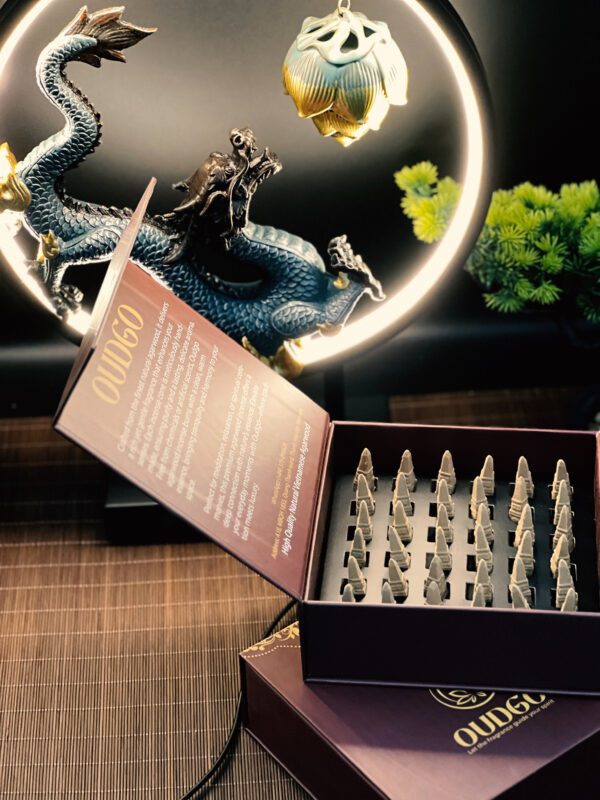
Dense formulas, damaged sticks and blocked cones
Read this factor alongside ember size, humidity, and placement. It can inform a decision about Incense ember failure, but it does not by itself prove origin, authenticity, safety, quality or spiritual meaning. The context, source and use method remain part of the answer.
- Observe the condition in the actual use setting.
- Record what is known and what is only claimed.
- Use the result to decide whether to continue, compare or ask for stronger evidence.
The key relationship here is that insufficient ignition, moisture, restricted airflow or formula defects can interrupt smoldering. The working variable to watch is storage condition; compare it with cone base under the same conditions whenever possible. re-lighting repeatedly is not a substitute for checking product condition and airflow
Holder and surface problems
Read this factor alongside ember size, humidity, and placement. It can inform a decision about Incense ember failure, but it does not by itself prove origin, authenticity, safety, quality or spiritual meaning. The context, source and use method remain part of the answer.
- Observe the condition in the actual use setting.
- Record what is known and what is only claimed.
- Use the result to decide whether to continue, compare or ask for stronger evidence.
The key relationship here is that insufficient ignition, moisture, restricted airflow or formula defects can interrupt smoldering. The working variable to watch is ember size; compare it with storage under the same conditions whenever possible. re-lighting repeatedly is not a substitute for checking product condition and airflow
Symptom-to-cause-to-fix flowchart
Begin with the simplest reversible cause. Check condition, moisture, airflow, contact with the holder or surface, and the amount of heat or product used. Change only one factor, then reassess; repeated adjustments at once can turn a small performance issue into a safety problem.
- Inspect for damage, residue or contamination before trying again.
- Return to a smaller dose, gentler heat or more stable set-up.
- Discard a damaged combustible product rather than forcing it to perform.
The key relationship here is that insufficient ignition, moisture, restricted airflow or formula defects can interrupt smoldering. The working variable to watch is humidity; compare it with moisture under the same conditions whenever possible. re-lighting repeatedly is not a substitute for checking product condition and airflow
Common troubleshooting questions
Incense keeps going out?
The answer depends on the exact Incense ember failure, its stated attributes and the evidence tied to the item or situation. re-lighting repeatedly is not a substitute for checking product condition and airflow
Cone will not burn?
For “cone will not burn,” use the same framework from this guide: define the terms, compare ember size, humidity, and placement and state the limitation before drawing a conclusion.
Damp incense?
For “damp incense,” use the same framework from this guide: define the terms, compare ember size, humidity, and placement and state the limitation before drawing a conclusion.
For the full stick-lighting sequence, see How to Burn Incense Sticks Safely: Complete Beginner Guide. For cone lighting and extinguishing, see How to Use Incense Cones: Light, Burn and Extinguish. For moisture control, see How to Store Incense Sticks, Cones and Powder.
