
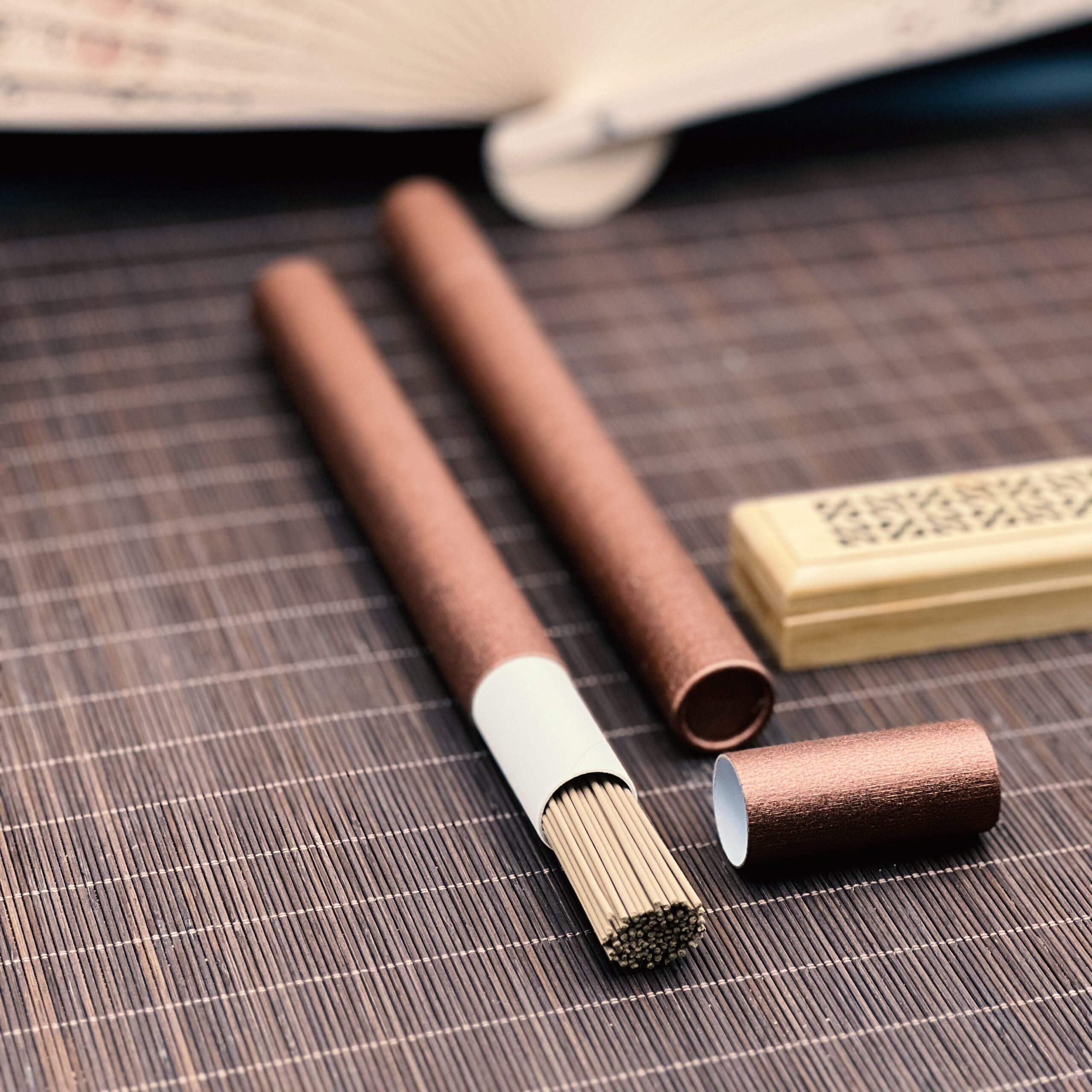
Coreless Agarwood Incense Sticks
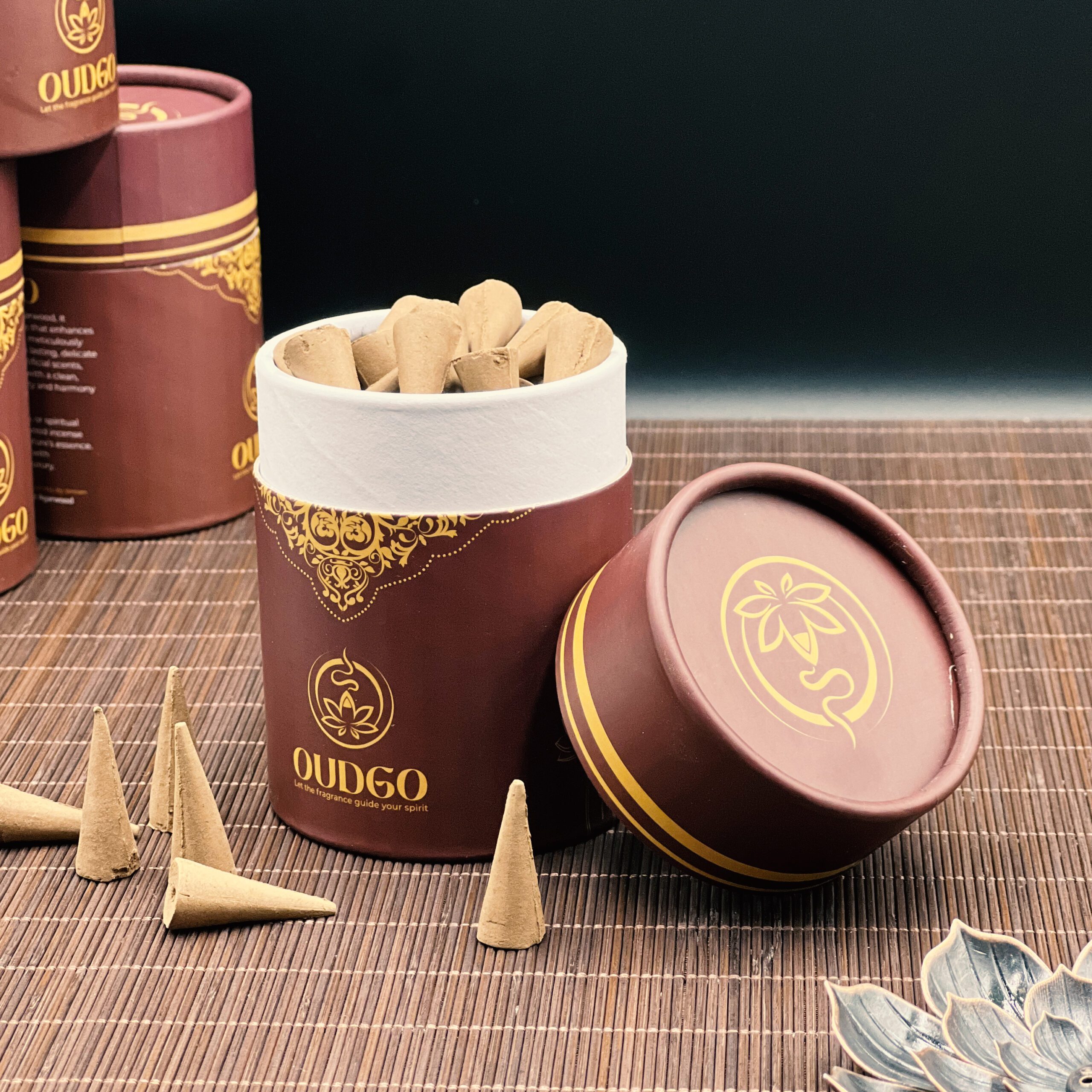
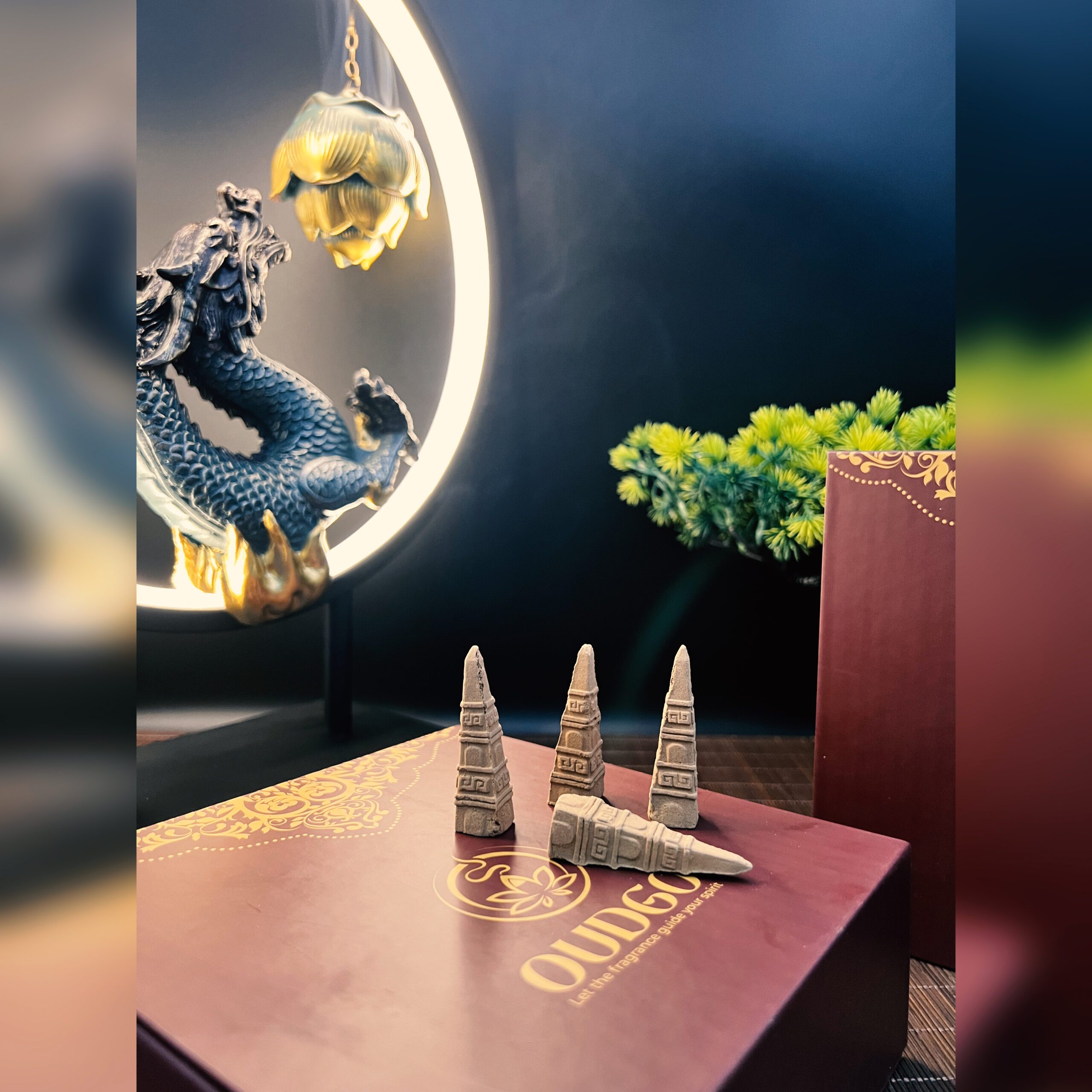
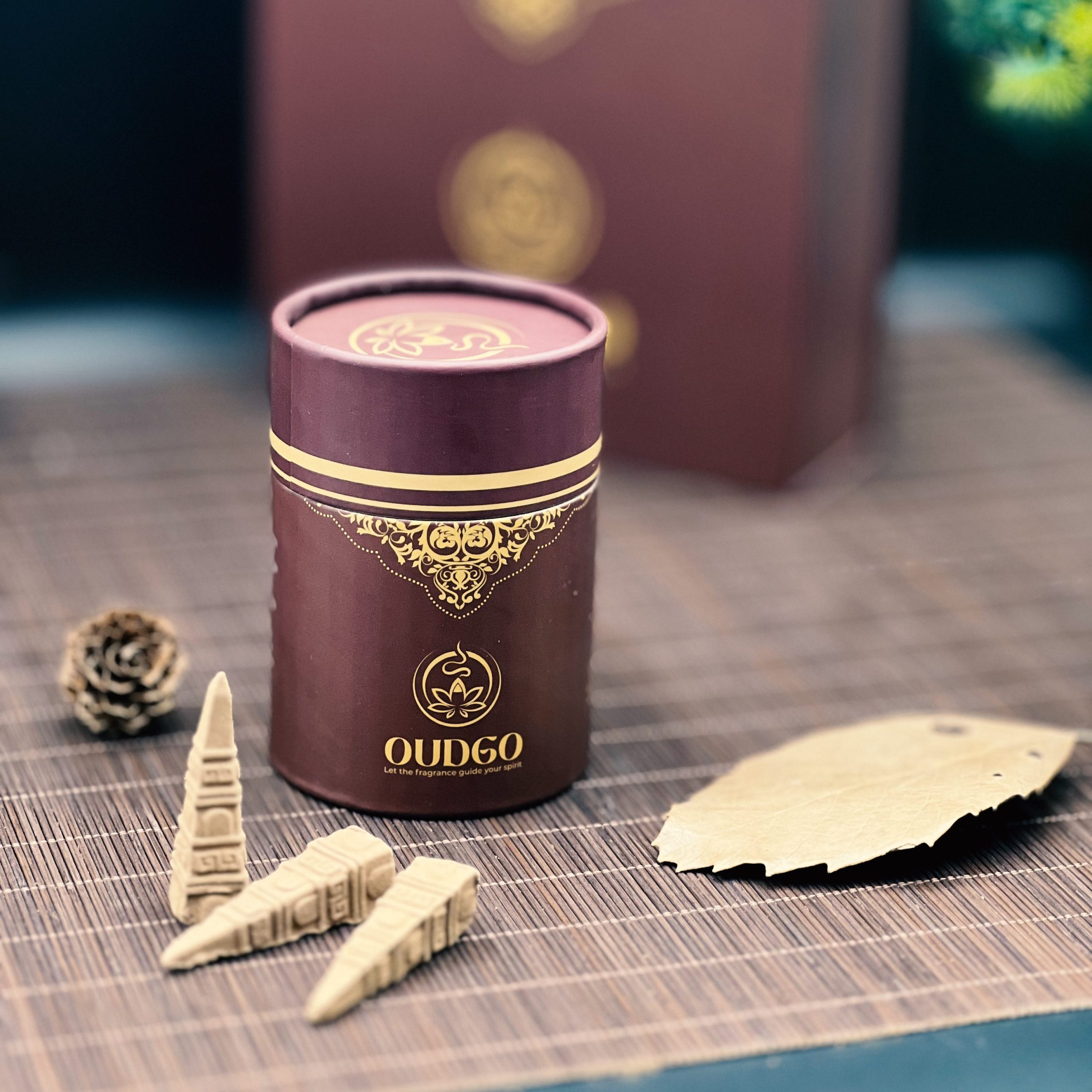
Vietnamese Cone-Shaped Tower Incense
Bring oud aroma into your space in the format that fits your routine.
We offer easy everyday sticks alongside other agarwood-incense formats. Choose by burn style, room setup and scent preference, then open the product page for the current ingredients, size, burn guidance and availability.
Agarwood incense is incense made with agarwood as an aromatic material, but the amount of agarwood, binder, bamboo core and added fragrance can differ by product. Choose by format, ingredient disclosure, burn setting and current product specifications—not by the word “oud” alone.
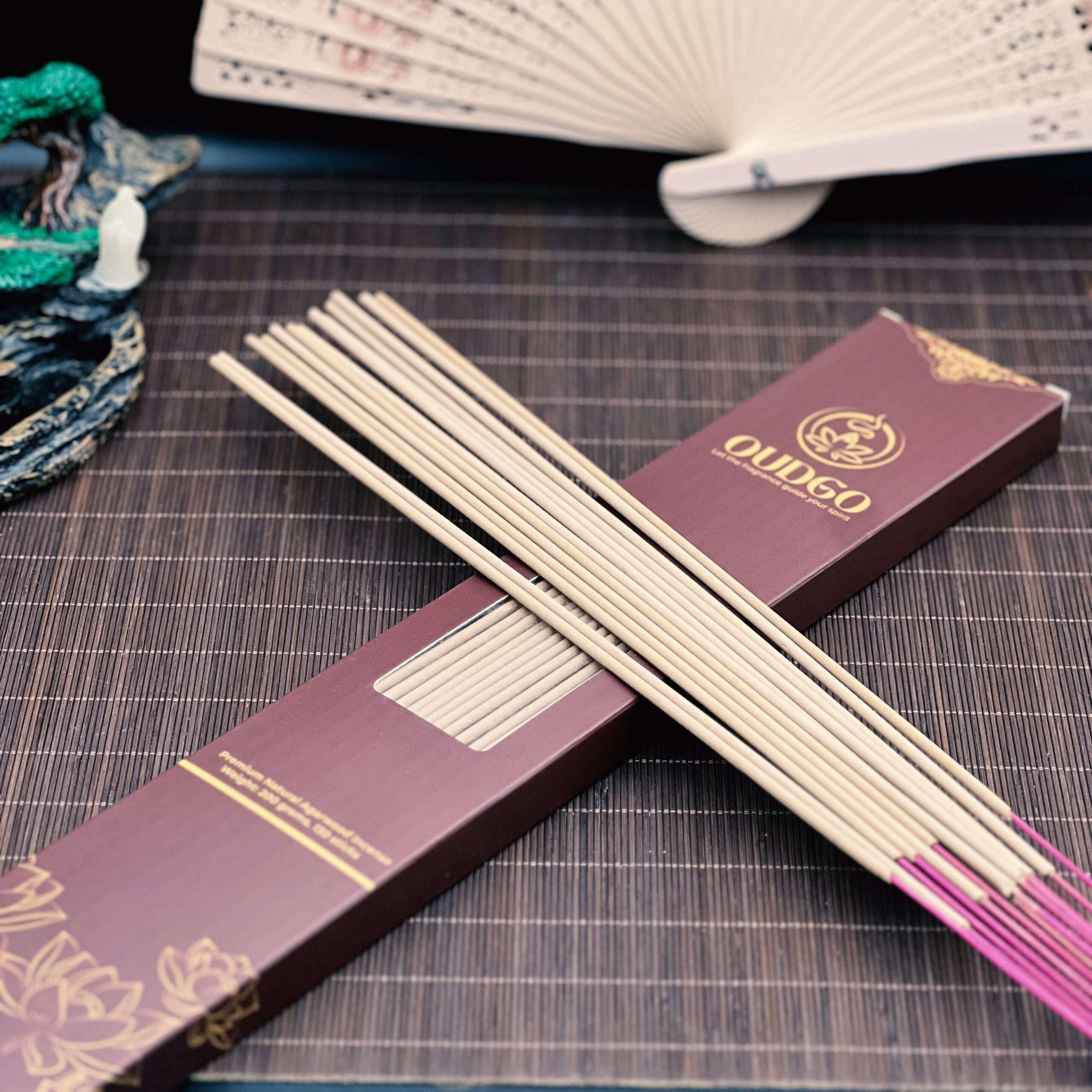
- Stick incense: easiest for routine use; check whether it has a bamboo core.
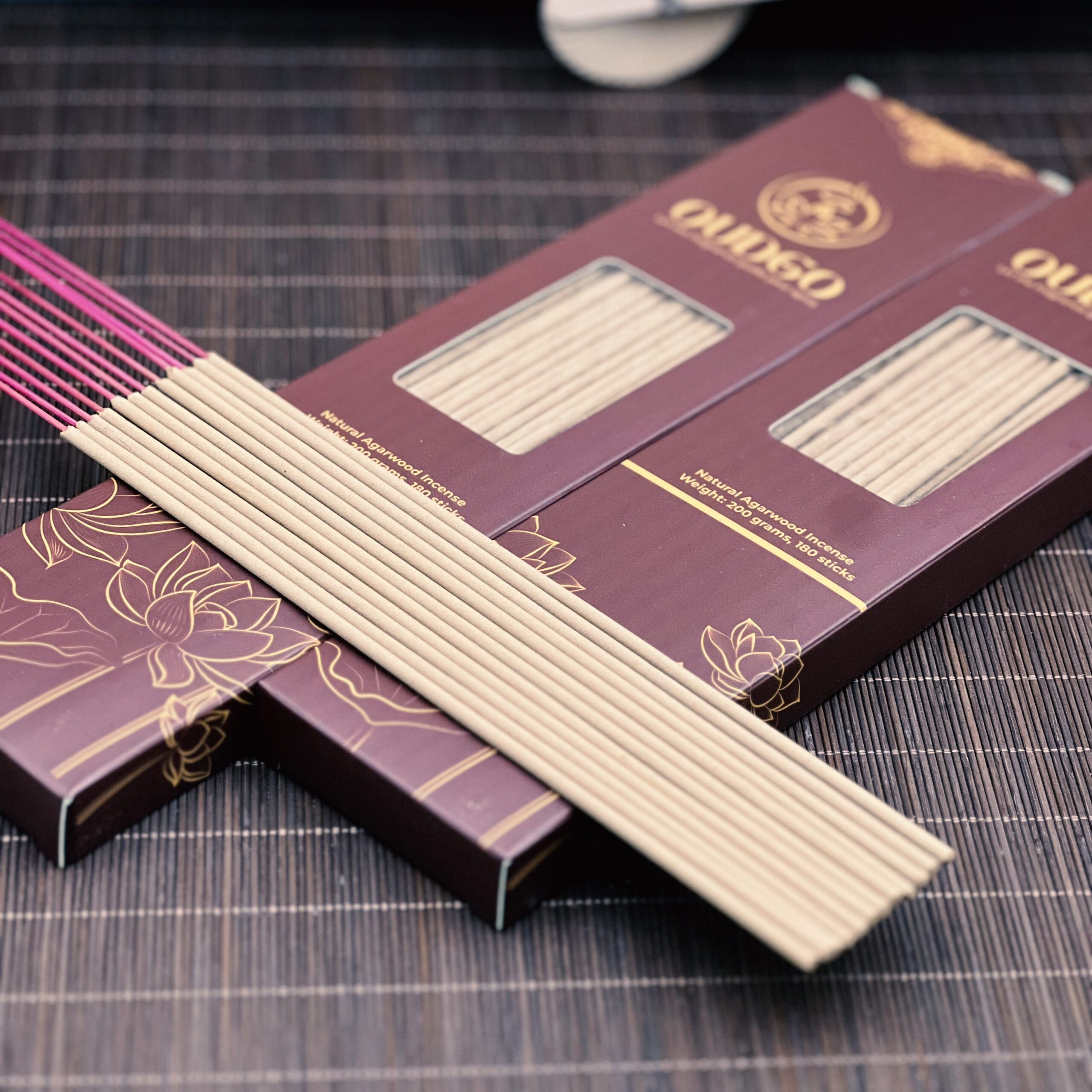
- Coreless sticks: made without a bamboo centre, so the aromatic mixture forms the whole stick.
- Cone incense: compact and usually produces a stronger burst of smoke over a shorter area.
- Before buying: compare ingredients, piece count, dimensions, approximate burn time, origin statement and ventilation needs.
For a complete explanation of formats, smoke, scent and safe burning, read Agarwood Incense: Types, How to Burn, Scent & Safety.
Compare our four agarwood incense products
Start with the format your holder supports, then compare pack size and current price. Every product below is listed in stock at the time of this review.
| Product | Size and pack | Current sale price | Choose it when |
|---|---|---|---|
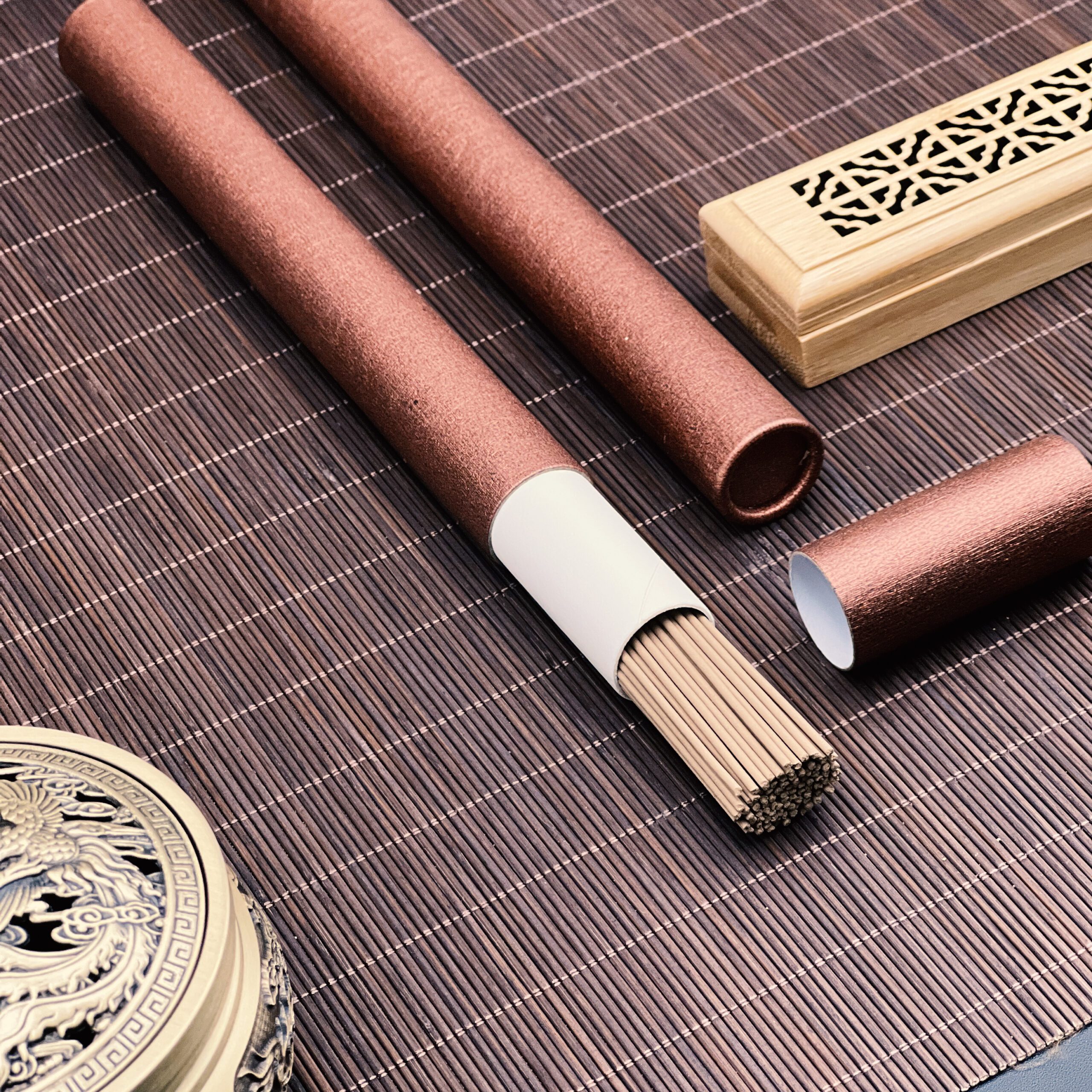
| Agarwood Incense Sticks | 30 or 40 cm; 100 sticks/box | $48 or $64 | You prefer a traditional bamboo-core stick and have a matching holder |
| Coreless Agarwood Incense Sticks | 20 cm; 70 sticks/box | $36 | You want a uniform stick without an exposed bamboo core |
| Vietnamese Cone Incense | 36 or 50 cones | $43 or $59 | You want a compact familiar cone shape and a choice of box size |
| Vietnamese Tower Incense | 3 cm; 36 pieces/box | $26 | You want a sculpted, gift-ready presentation at the lowest current box price |
Prices and availability checked August 14, 2026. Open the product page for the final live offer, holder guidance and product-specific report boundaries.
What does agarwood incense smell like?
Agarwood is often described as woody, resinous, warm, sweet, smoky, leathery or spicy, but incense scent depends on formulation and heat as much as raw material. A bamboo core, binder, charcoal, herbs or added fragrance can change both the aroma and smoke. Even natural agarwood varies by species, resin distribution, wood section, origin and storage.
For a broader explanation, read agarwood scent, incense and modern uses. Scent descriptors are sensory notes rather than guaranteed chemical specifications.
Agarwood incense types compared
| Type | Best suited to | Check before purchase |
|---|---|---|
| Bamboo-core stick | Simple daily burning in a compatible stick holder | Stick length, core material, ingredient disclosure and approximate burn time |
| Coreless stick | Buyers who want no burning bamboo centre | Diameter, brittleness, holder-hole size and formulation |
| Cone or tower | Compact sessions on a heat-safe plate or cone burner | Base width, burn surface, smoke level and whether it is backflow incense |
| Powder | Measured use with specialist tools or shaped incense trails | Particle size, ingredients, dosing method and burner compatibility |
| Agarwood chips | Heating raw wood rather than burning a formed incense product | Electric versus charcoal heat, chip grade and ventilation |
How to choose agarwood incense
- Choose the format first. Match stick, coreless stick or cone to a stable, heat-safe holder or burner.
- Read the ingredient statement. “Agarwood incense” does not necessarily mean the product contains only agarwood.
- Compare measurable details. Piece count, dimensions, weight and approximate burn time are more useful than vague “premium” language.
- Check treatment and fragrance disclosure. Ask whether perfume oil, colour, accelerant or synthetic fragrance is added if this matters to you.
- Use origin carefully. “Vietnamese agarwood” should identify material origin, not the market being targeted or a universal grade.
- Plan ventilation. All burning incense creates smoke and particulate matter; use less material when testing a new product.
How to burn incense safely
- Use a stable, non-combustible holder sized for the stick or cone.
- Place it away from curtains, paper, shelves, drafts, children and pets.
- Ventilate the room and avoid deliberately inhaling smoke.
- Never leave burning incense unattended or move it while hot.
- Let ash and the holder cool completely before disposal or cleaning.
- Stop use if smoke causes irritation, headache, coughing or breathing discomfort.
Browse incense holders for sticks or incense burners for cones, charcoal, chips and other formats. Check the individual product’s compatibility rather than assuming every burner supports every incense type.
How can you assess ingredient and product quality?
Colour, ash shape, price and a strong scent cannot prove that incense is natural or high grade. Perfume, colouring and formulation can influence all of them. A stronger decision uses the ingredient list, manufacturer identity, batch or origin information, product dimensions, untreated photos, treatment disclosure and returns route together.
The real-versus-fake agarwood guide provides a multi-signal framework, but finished incense cannot be authenticated with the same confidence as a documented raw wood sample without laboratory analysis.
Storage
Keep incense dry, protected from direct sunlight, strong household odours and crushing. Close the original packaging after use. Do not store incense next to perfume, detergent or high-humidity areas because finished incense can absorb moisture and surrounding odours.
Agarwood incense FAQ
Is oud incense the same as agarwood incense?
The names are often used interchangeably, but a finished product may use agarwood powder, oud fragrance, other woods or a blend. Read the actual ingredients and formulation statement.
Are coreless sticks always higher quality?
No. Coreless describes construction, not ingredient quality. It removes the bamboo centre, but the aromatic mixture and binder still determine performance.
Does agarwood incense provide health benefits?
We offer incense for aroma, atmosphere and cultural use. Burning incense creates smoke; claims to treat anxiety, insomnia, respiratory conditions or infection require evidence that a product page does not establish.
Which incense produces less smoke?
Smoke depends on formulation, size, airflow and how much is burned. Coreless does not automatically mean smokeless. Test one piece in a ventilated space and stop if it causes discomfort.
Can I burn a cone in a stick holder?
Only if the holder has a stable, heat-safe surface designed for cones and catches hot ash. A narrow stick hole alone is not sufficient.
Next step: compare the four available Oudgo incense products above by format, specifications, current price and stock. If an ingredient, burn-time or treatment detail is missing, ask Oudgo before purchase rather than inferring it from the product name.