
How to Burn Incense Powder and Joss Powder
Powder incense gives the user more control than a stick or cone, but it also requires more care. A small change in the amount of powder, the heat source, or the airflow can change the burn rate, smoke level, and clean-up. This guide explains three practical approaches: a carefully contained powder trail, charcoal heating, and electric heating. The right choice depends on whether you want visible smoke, gentler aroma release, or a more traditional heating ritual.
What incense powder and joss powder are – and are not
Incense powder is finely ground aromatic material that may contain agarwood, other woods, botanical ingredients, binders, or fragrance. The phrase joss powder is used differently by makers and regions, so do not assume that every powder has the same composition or should be burned in the same way. Read the product information and follow any maker guidance before choosing a method.
Powder is not automatically pure agarwood, and a pleasant scent is not a material test. The particle size, dryness, and added binder all affect how readily it burns. Compared with sticks and cones, loose powder can be portioned very precisely, but it can also ignite unevenly if it is piled too high, spread too thinly, or exposed to a draft.
If you are comparing formats, this guide to agarwood incense uses explains why sticks, cones, and loose aromatic materials behave differently in a home setting.
Prepare the surface, tools and ventilation
Choose a stable, level, heat-resistant surface away from paper, curtains, plants, pets, and children. Use a burner with a deep enough tray to contain the powder and ash. Keep a metal spoon or small scoop for measuring, a non-combustible lid or snuffer for stopping an ember, and a cloth for cleaning only after the burner has cooled.
Open a window for fresh air if it can do so without blowing directly across the burner. A strong draft can scatter loose powder, make a trail race unexpectedly, or carry smoke toward people nearby. Ventilation should refresh the room, not turn the setup into a moving-air test.
Use a small quantity for the first session. It is easier to add a little more next time than to manage a large amount once it is warm. For selecting a vessel that suits charcoal, powder, or heated material, see how to use an incense burner by material type.
Direct trail burning without loose powder spreading
A powder trail is a narrow, even line of incense placed in a purpose-built burner or a heat-safe ash bed. It is lit at one end so the ember travels gradually along the trail. This method can create visible smoke and a traditional ceremonial feel, but it needs a protected container because a light breeze or an accidental bump can spread loose material.
Use a shallow, consistent trail rather than a tall ridge. A thick pile may smolder heavily or go out at the center, while an extremely thin trail can burn too fast. Pressing the powder gently with a small tool can help it hold a continuous shape, but do not compress it into a dense hard layer that blocks air from the ember.
| Method | Best for | Primary caution |
|---|---|---|
| Powder trail | Visible controlled burn | Loose powder and ash must stay contained |
| Charcoal heating | Powder or small wood fragments | Charcoal heat and ignition handling |
| Electric heating | Gentler lower-smoke aroma | Use only compatible material and settings |
Light only the starting end, then remove the flame so a small ember remains. Do not draw several burning lines or relight multiple spots to speed up the experience. If the trail cracks or fails, let it cool before rebuilding it. A controlled restart is safer than trying to repair hot, loose powder.
Charcoal heating for powder and small wood fragments
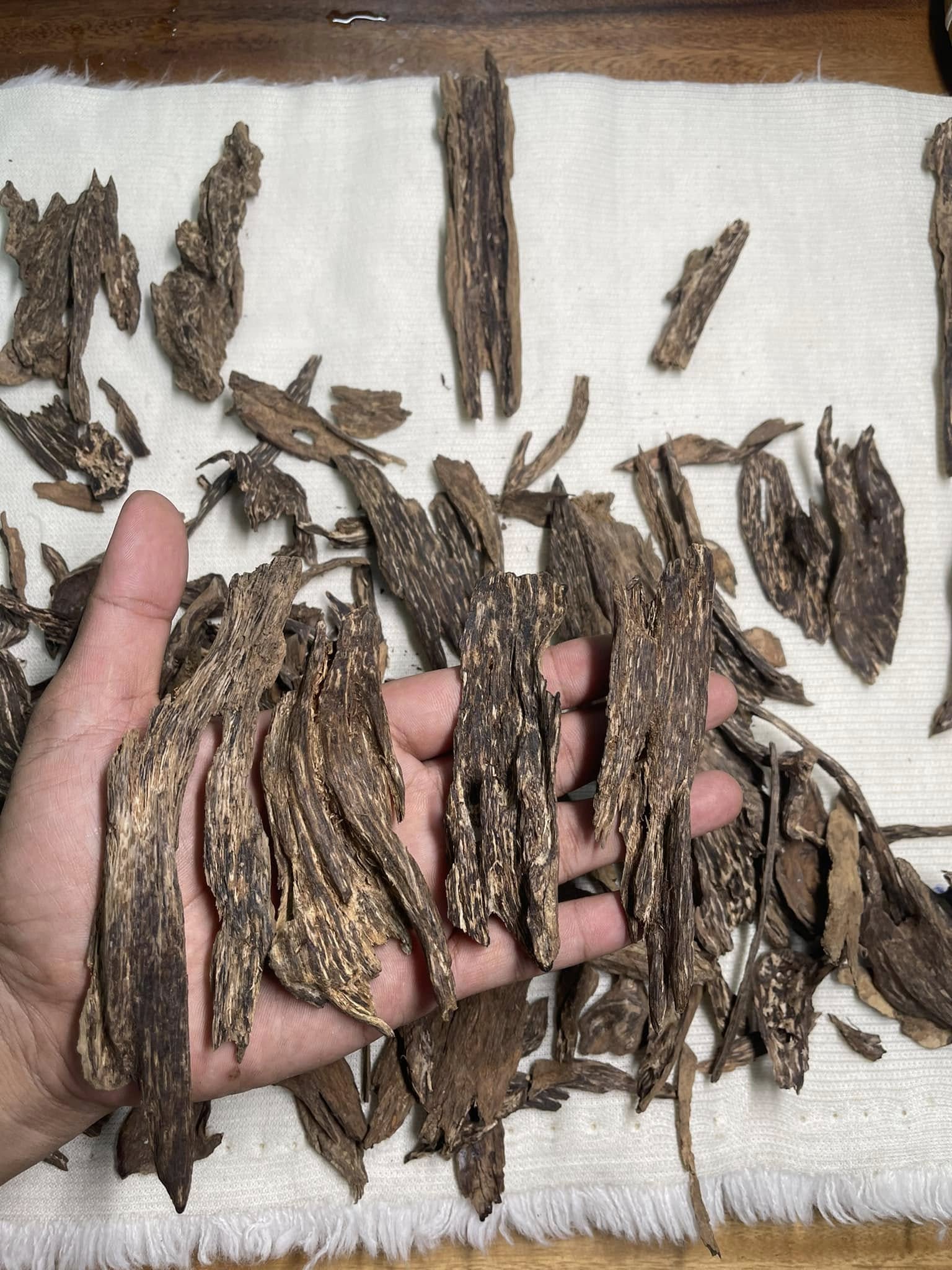
Charcoal heating releases aroma from powder or small aromatic fragments without requiring the material itself to burn with a flame. Use a heat-safe censer designed for charcoal, with an ash or sand bed that keeps the charcoal stable. Light the charcoal away from the final setup according to its instructions, wait until it is fully established and no longer producing ignition fumes, then place it into the censer with suitable tongs.
Do not put powder directly onto a very hot coal if the goal is gentle aroma. A mica plate, foil screen, or purpose-built separator can moderate heat and prevent immediate scorching, provided the burner maker permits that arrangement. Add a tiny amount of powder at a time. Too much material can char, create harsh smoke, and make the censer difficult to clean.
Charcoal remains hot long after the fragrance seems finished. Never leave it while you cook, shower, answer a door, or prepare to sleep. Review the complete precautions in how to heat oud chips with charcoal safely before using charcoal with powder or wood fragments.
Keep heat and material separate
Use tools that are dry and dedicated to the burner. Water, perfume, or oily residue on a spoon can sputter or alter the scent when it reaches heat. Place the lid only when you intend to restrict oxygen and stop the session; do not close a hot censer in a way that traps it against flammable objects.
Electric heating for lower-smoke aroma release
An electric incense heater warms aromatic material gradually and can be a better choice for users who prefer less visible smoke. Follow the heater manufacturer’s temperature range and material guidance. Some powders are made to smolder and may not perform well on a low-temperature plate; others can scorch quickly if the setting is too high.
Begin with the lowest useful setting and a very small pinch of powder. Wait several minutes before increasing heat. A slow response is normal because the material needs time to warm. If the scent becomes sharp, burnt, or uncomfortable, turn the unit down or off and allow it to cool before removing the residue.
Electric heating reduces an open ember but does not remove all responsibility. Keep the cord clear, use a stable outlet, keep the surface dry, and switch the unit off when the session ends. Do not leave an electrical heater operating in an empty room.
Compare control, smoke and clean-up across methods
Direct trail burning offers the clearest visible progression but creates ash and needs the most protection from moving air. Charcoal heating can bring out a deeper aroma from powder and small wood pieces, yet it involves a higher heat source and longer cool-down. Electric heating usually produces the gentlest visual effect and more precise adjustment, but requires a compatible device and patient temperature control.
The clean-up burden follows the method. Powder trails leave fine ash; charcoal can leave ash, charred material, and residue on the separator; electric heaters can leave a cooked-on film if too much powder is used. Choose the approach that you can supervise, clean, and ventilate properly, not only the one that promises the strongest scent.
Troubleshoot powder that goes out or burns too fast
If a powder trail goes out, check whether it is damp, too dense, too thin, or exposed to a draft. Rebuild a small even trail after everything cools. If it burns too fast, reduce the trail width and make sure the burner is level. Do not add powder directly into a hot, failing trail, as fresh loose material can ignite unpredictably.
For charcoal heating, a burnt smell usually means the coal is too hot, the portion is too large, or there is no heat separator. Use less material and moderate the contact. For electric heating, weak aroma may simply mean the temperature is too low or the powder needs more time. Raise heat gradually rather than jumping to the maximum setting.
Store powder for consistent future sessions
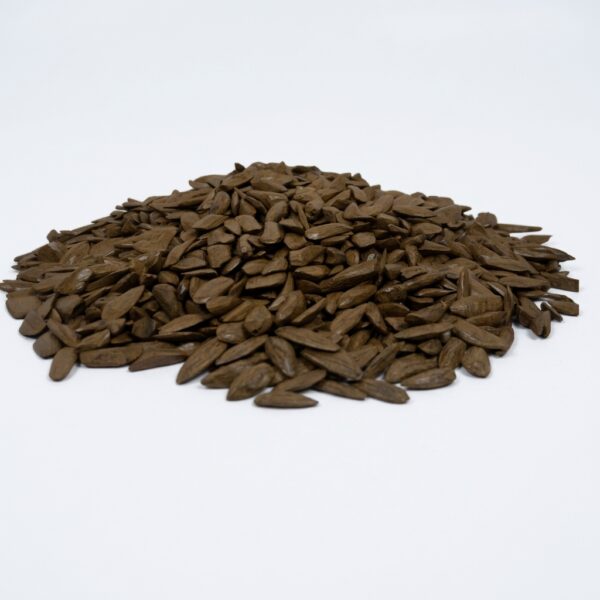
Keep powder in a dry, closed container away from direct heat and strong odors. Label it by material when possible so you do not mix blends unintentionally. Dry, measured material is easier to light or warm consistently, and good storage reduces spills when setting up the next session.
Use a simple session record while learning
When trying a new powder, note the portion, method, room conditions, and the result. A few short notes will show whether a powder performs best as a narrow trail, on moderated charcoal, or at a lower electric setting. This is more useful than making several changes at once, which makes it difficult to tell why the fragrance or burn rate changed.
Do not aim for the biggest cloud of scent. A measured amount, comfortable ventilation, and a clean burner produce a more repeatable result and reduce unnecessary residue. The best method is the one that suits the material and your household conditions while remaining easy to supervise from start to finish.
