
How Does Incense Work? Combustion, Heat and Aroma Release
Incense works through a controlled interaction of heat, oxygen, and aromatic material. When you light a stick or cone, the flame starts a reaction; after the flame is blown out, a small ember keeps the material hot enough to smolder. That heat releases aroma compounds from woods, resins, and oils while also creating combustion products and smoke. Understanding the difference between these processes helps you choose the right format and recognize why a piece of incense burns too quickly, goes out, or smells harsher than expected.
The three stages: ignition, ember and aroma release
Ignition begins when a flame heats the tip of the incense above the point where its combustible materials can catch. The visible flame is only the starting stage. Once a small section is burning, you gently blow the flame out and leave an ember. The ember is a slow, glowing zone that continues to heat the material immediately ahead of it.
As the ember advances, two things happen at once. Part of the base material oxidizes and turns into ash, while heat drives volatile aromatic compounds from the wood, resin, or fragrance blend into the air. Some of those compounds are perceived as scent; some thermal breakdown products contribute to smoke. The balance depends on the formula, the format, humidity, and the amount of air reaching the ember.
A stick that burns unevenly is not always defective. It may be damp, exposed to a draft, pressed too tightly into a holder, or made with a composition that needs a particular airflow. The aim is a stable ember, not the biggest flame or densest smoke.
How combustible bases keep incense burning
Most incense needs a base that can carry a glowing ember. In sticks and cones this may be wood powder, plant fiber, bark powder, charcoal, or a blended combustible material. The base gives the incense enough structure and fuel to continue after the flame is gone. Its particle size and density affect how oxygen travels through the body and therefore how quickly the ember progresses.
A loose, porous mix may catch readily but can burn fast. A dense or damp mix may smolder weakly or go out. Charcoal-based formulas can support a steady ember and may provide a less woody background, but they do not make combustion-free fragrance. Any material that is directly burned produces an emissions mixture that should be treated with normal ventilation and household fire care.
The materials behind a stick are discussed in more detail in what incense sticks are made of. Reading composition alongside burn behavior is more useful than trying to identify quality from ash color alone.
How binders hold sticks and cones together
Binders transform loose powder into a shape that can be rolled, extruded, dried, handled, and burned. Plant-based binders such as makko and various gums or starches are common in traditional-style formulas. Other products may use cellulose-based or synthetic binding systems. The binder helps prevent crumbling, but it also influences airflow, drying, and the rate at which an ember can move.
Too little binder can leave a fragile cone or a coating that cracks around a bamboo core. Too much binder can make a dense body that is difficult to keep lit. This is one reason a home user should not assume that all incense can be relit or repaired the same way. When a stick breaks or a cone cracks, let it cool and do not tape, glue, or force it into a holder for burning.
| Material layer | What it does | What can affect it |
|---|---|---|
| Combustible base | Feeds the ember | Density, moisture, particle size |
| Binder | Holds the form together | Drying, cracking, airflow |
| Aromatic material | Provides scent compounds | Heat level and formula |
| Holder and room air | Supports safe, stable burning | Drafts, tilt, clear space |
What heat does to aromatic wood, oils and resins
Heat does not simply make incense smell stronger. It gradually changes the material. At lower temperatures, some lighter aromatic compounds can volatilize and enter the air. With more heat, additional compounds are released and the material begins to break down. At still higher heat, charring and harsh smoke become more likely. The same wood or resin can therefore smell different when gently warmed, placed over charcoal, or directly burned.
Aromatic woods may reveal subtle notes when heated indirectly, while a direct ember gives a more immediate and smoky experience. Resins can melt, bubble, and release dense aroma if they receive too much heat at once. Fragrance oils may flash off quickly or create a sharp impression when the base is overheated. The method should fit the material, not just the desired visual effect.
The perceived scent also depends on the room, distance from the burner, and the observer. For context on how oud aromas are described and experienced, see what oud smells like in different uses.
Why smoke level is not the same as fragrance quality
Smoke is a visible sign that material is being heated and combusted, but it is not a quality score. A smoky stick may have an intense scent because more material is decomposing, yet that intensity can become unpleasant in a small or poorly ventilated room. A quieter-burning material may smell subtle because fewer particles are carried into the air, not because it is inferior.
Quality is better judged by disclosure, consistency, the suitability of the fragrance for the material, and whether the product burns as described when used correctly. Personal preference matters too. Someone may enjoy a resinous, smoky ritual; someone else may prefer the gentler profile of an electric heater. Neither preference turns smoke amount into proof of purity or value.
Use the smallest amount that gives a comfortable result. If the room feels heavy, ventilate and extinguish the incense. Do not chase a stronger scent by lighting multiple pieces or creating extra ignition points.
Direct burning versus indirect heating
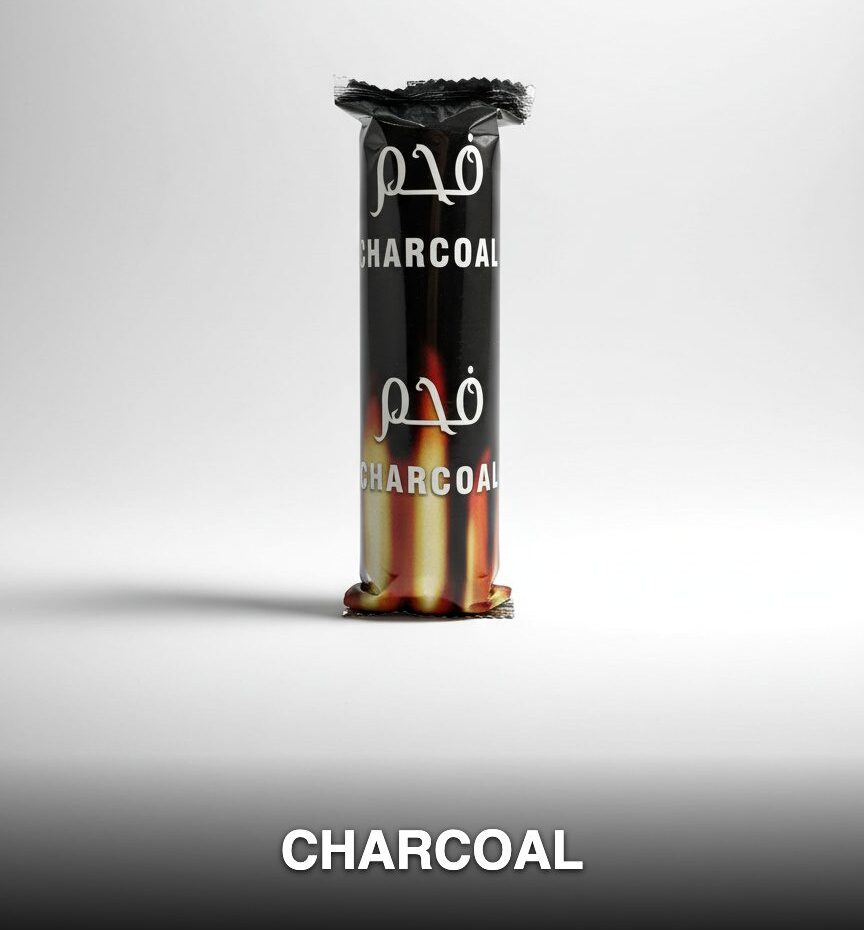
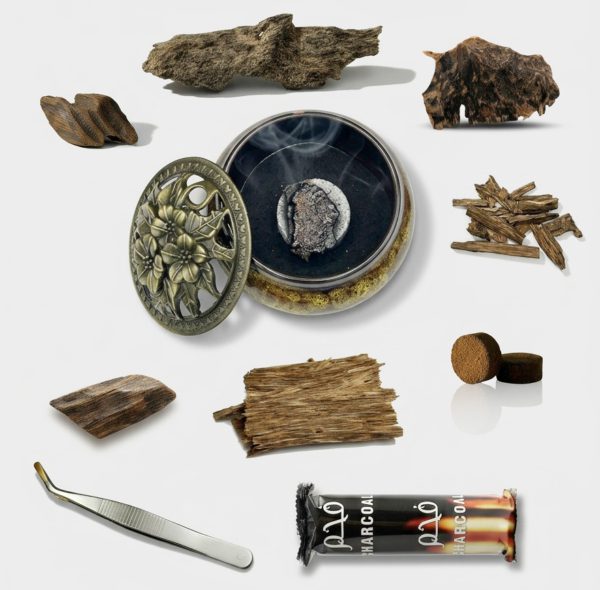
Direct burning uses an ember that travels through the incense. Sticks, cones, and powder trails use this method, creating smoke and ash as part of normal operation. Indirect heating uses a separate heat source, such as charcoal with a heat separator or an electric heater, to warm aromatic wood, powder, or resin without asking the material itself to sustain an ember.
Direct burning is simple and portable, but the formulation must be able to smolder safely. Indirect heating offers more control over temperature and may produce less visible smoke, though charcoal still requires careful fire handling and electric devices require appropriate setup. Neither approach is automatically safer in every situation; the better method is the one you can supervise, ventilate, and clean correctly.
Material claims also matter when comparing formats. The difference between botanical ingredients, fragrance oils, and broader scent accords is explored in natural versus synthetic incense labels.
Use the mechanism to diagnose poor performance
If incense goes out, inspect the simplest factors first: moisture, damage, holder fit, and direct drafts. A damp stick may need dry storage rather than repeated relighting. A cone that is pressed into a narrow holder may lose airflow around its base. A fan or open window can cool the ember or bend smoke across the room. Correct the condition only after the incense has cooled.
If it burns too fast, check whether the room air is moving strongly or whether the piece has several lit points. If it creates harsh smoke, reduce the amount, improve ventilation, and consider a gentler heating method for the material. If ash falls outside the tray, stop the session and use a deeper, more stable holder. Do not try to solve an unstable setup while holding or moving hot incense.
Use the right method for the desired result
Choose direct burning when you want the familiar rhythm of a moving ember and can supervise it. Choose indirect heating when a material benefits from slower, lower-temperature aroma release. In both cases, clear space, ventilation, and a heat-safe surface are part of how incense works well, not optional extras added afterward.
After the ember is out
Let the holder and ash cool fully before moving them. Empty ash into a suitable non-combustible waste container and remove residue only after the material is safe to touch. A clean holder and dry, intact incense make the next session more predictable.
How room conditions change the experience
Room conditions change both the visible behavior and the perceived scent. In a very small room, the same piece of incense can feel much stronger than it does in an open living area. High humidity can make materials slower to catch and can soften a powder trail. Moving air can keep the room fresh, but a direct stream across the ember may create an uneven burn. The useful goal is gentle air exchange, not stillness at all costs.
Where the burner is placed matters as well. A stable, level surface lets ash fall into its tray and lets an ember remain in its intended position. A crowded shelf, a table edge, or a surface with a strong draft invites problems that no change in material can solve. Set the space first, then light the incense.
Why storage affects ignition and aroma
Incense absorbs moisture and household odors over time. Store sticks, cones, woods, and resins in a dry closed container away from a heater, direct sun, kitchens, and strong perfumes. Good storage helps a stick maintain its shape and gives a more repeatable result when you next use it. It also avoids the temptation to relight a damaged or damp piece repeatedly.
Apply the mechanism without overclaiming
You can learn a lot from how an incense format performs, but household observation cannot identify a species, a formula percentage, or a health effect. Use what you see to improve safety and comfort: choose compatible holders, lower the amount, and adjust ventilation. For material claims, rely on clear maker disclosure and evidence that can actually support the claim.
A sensible routine for any format
Prepare a clear surface, choose the smallest suitable amount, light or heat the material according to its format, remain present while heat is active, and allow every component to cool before disposal. This routine respects both the science of the ember and the practical limits of a home setting.
When in doubt, choose the slower, smaller, and more easily supervised approach. Good incense use is a controlled process, not a test of how much smoke a room can hold.
