
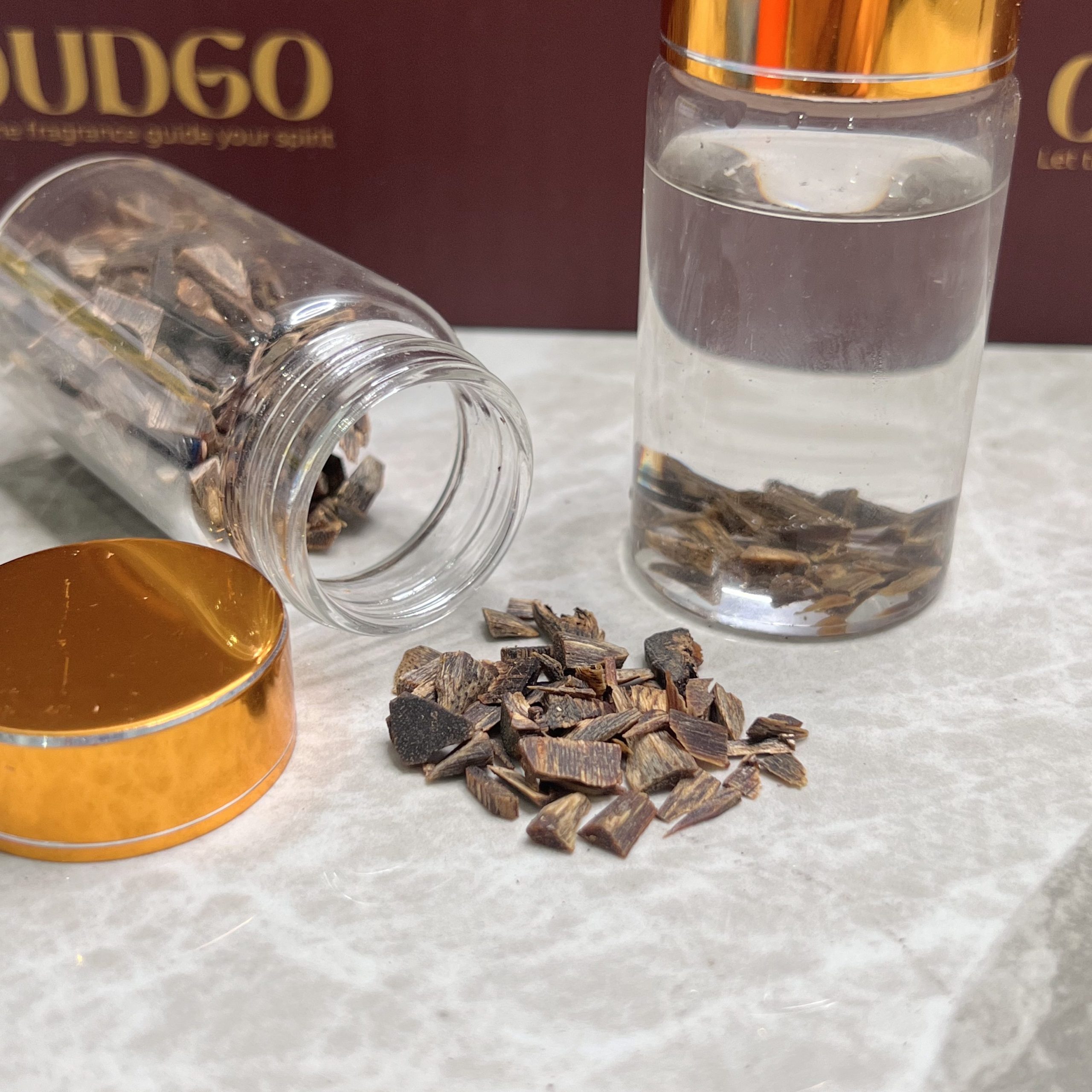
What Does Incense Smell Like? Materials, Heat and Batch Variation
There is no single smell called “incense.” One blend can be dry and woody; another can be sweet, resinous, herbal or perfumed. The aroma also changes with heat, room conditions and the amount used. Understanding those differences makes it much easier to find a form you enjoy without mistaking personal preference for a quality test.
Compare one variable at a time. Use a small amount, the same setting and the intended heat method before deciding that one material is better than another.
Why incense has no single universal smell
“Incense” describes a way of releasing aroma, not one ingredient. A stick, cone, powder or chip may contain wood, resin, herbs, oils, binders or a formulated fragrance. Each can smell different before it is heated, during the first minutes of heat and after the room has cleared.
Words such as warm, smoky, clean, sweet and earthy are useful starting points, but they are personal impressions. Two people can notice different aspects of the same product. The more helpful question is not “what should incense smell like?” but “what material and heat method create the experience I want?”
How wood, resin, herbs and perfume materials shape aroma
Wood-based incense often brings dry, soft or woody notes. Resins can add depth, balsamic sweetness or a darker profile. Herbs and spices may feel brighter or more aromatic. A formulated fragrance can make the scent more consistent from one stick to the next, but a label should say so rather than suggesting that every note comes from raw wood.
Ingredient disclosure matters because it helps set reasonable expectations. A product with a broad oud-style scent may be enjoyable, yet it is different from warming a raw agarwood chip. Neither needs to be presented as a universal winner; they simply offer different ways to experience aroma.
How direct flame, ember and indirect heat change the scent
Direct flame is only a lighting step for a stick or cone. Once the flame is out, a glowing ember creates smoke along with fragrance. That smoke becomes part of what you smell. Indirect heat, used with chips in compatible equipment, can reveal a quieter aroma with less combustion but still requires heat control and ventilation.
Do not compare a burning stick with a warmed chip as if the only difference were quality. The heat method changes what reaches the air. For a fair comparison, keep the room, amount and session length as similar as possible.
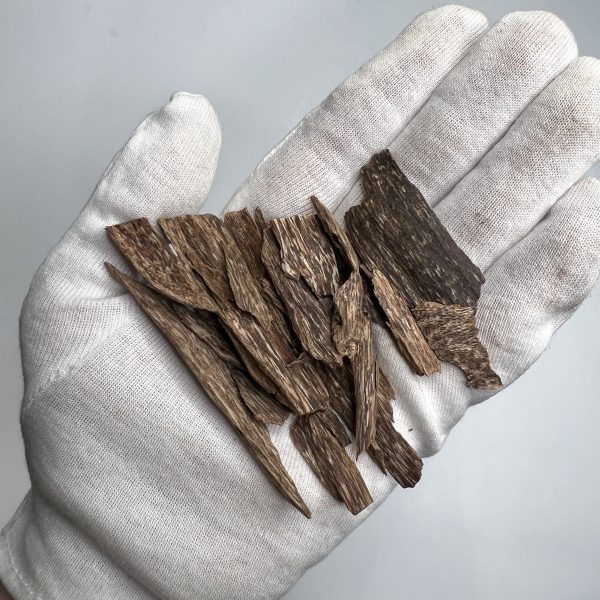
Agarwood incense: sweetness, wood, resin and variation
Agarwood is often described as woody and resinous, sometimes with soft sweetness, spice-like warmth or an earthy finish. Those descriptions are not a promise that every piece will smell the same. Material variation, storage, chip size, concentration in a blend and heat level can all shift the experience.
Start gently. A very hot burner can overwhelm the subtler notes and make even good material smell harsh. A small, controlled session gives you more useful information than a large one. If a scent feels too strong, reduce the amount or choose a non-burning alternative rather than trying to force yourself to adapt.
Why origin and batch claims have limits
Origin may be important to a maker or buyer, but it cannot predict one exact scent. Even within the same region, materials differ by tree, part of the wood, processing and storage. Batch language is useful when it gives a real reference point, yet it is not a laboratory guarantee of aroma.
Use claims as questions to explore: What is the material? How is it used? Is the product a raw chip, an ingredient blend or a finished fragrance composition? A clear answer is more valuable than a poetic origin story with no practical detail.
Run a controlled side-by-side scent comparison
- Choose two materials or formats, not a crowded mix of several scents.
- Use the same room and avoid candles, cooking fumes or strong perfume.
- Use the smallest practical amount and the intended holder or burner.
- Notice the opening, middle and lingering scent rather than deciding in the first few seconds.
- Write down what you enjoyed and what felt too strong; a preference note is more honest than a universal ranking.
Stop the session if smoke feels harsh, anyone becomes uncomfortable or the holder is not containing heat and ash properly.
Separate fragrance preference from material quality
A fragrance you love may be a blend, and a raw material you respect may not suit your room or taste. Quality includes clear description, safe use instructions, suitable construction and an honest account of ingredients. It does not require every reader to prefer the same scent.
For an ingredient-focused guide, see what incense sticks are made of. For format choices, continue to oud chips, sticks and cones.
Questions readers ask
Why does the same incense smell different on different days?
Room airflow, humidity, your own perception, storage and the amount used can all change the experience.
Does a stronger smell mean better incense?
No. Strength is not a quality test. The material, construction, disclosure and suitability for your setting matter too.
Can I compare scents by smelling unburned sticks only?
It is a useful first impression, but the aroma can change substantially once the product is heated as intended.
Describe the session, not a universal scent
Incense aroma comes from the materials, formula, heat and room together. Wood, resin, herbs, bark, binders and added perfume materials can each affect the opening and late scent. A direct-burning stick or cone produces an ember and smoke; a chip warmed over indirect heat may reveal a different balance. Even the same product can seem different when a room is warmer, airflow is stronger or the user has smelled several fragrances already.
Use simple sensory words without treating them as proof: dry wood, sweet resin, smoke, spice, floral lift, medicinal edge or soft powder. These are descriptions of your experience. They do not verify origin, naturalness or quality. For oud-specific scent context, read What Oud Smells Like.
Compare one variable at a time
For a useful side-by-side comparison, use the same room, holder or heater, session length and amount. Label samples A and B, smell each alone and take notes at the opening, middle and after the session. Do not burn several strong products together. If the scent becomes harsh, the room is uncomfortable or the smoke is excessive, stop rather than trying to force a conclusion.
Separate preference from evidence. A fragrance you love may be a blended formula; a quieter material may be well described but not match your taste. Read ingredient wording before drawing any conclusion. See What Are Incense Sticks Made Of? Binders, Bases and Fragrance for the material context, and Natural vs Synthetic Incense: What Labels Really Mean for label limits.
Keep batch notes with the product
Record the product name, batch or lot where available, storage condition, form, heat method and your observations. That record makes a later comparison fairer and helps you distinguish genuine variation from a changed setting. A country or batch label may provide context, but it is not a promise that every item will smell the same.
The best choice is the one whose scent you enjoy, whose description is clear and whose use is safe in the intended room. Let the evaluation remain specific to the sample rather than turning one pleasant or unpleasant session into a universal claim about incense.
Use a repeatable scent wheel
Start with three questions at each checkpoint: does the incense feel woody or resinous; is the smoke soft or sharp; and which companion facet is most noticeable—herbal, spicy, floral, sweet, earthy or clean? These categories are not a grade. They make a personal comparison easier to repeat. If two people describe the same sample differently, neither must be wrong; attention, distance, memory and prior scent exposure all change perception.
Let the product rest between trials and store it as directed. Humidity, crushed material and scent transfer from other products can alter the next session. A controlled note card makes those changes visible and prevents a fading sample from being misread as proof about a whole origin or material class. Use it to choose a product that remains comfortable and interesting over time, not merely dramatic in the first minute.
Keep the conclusion proportionate
A clear description and a controlled comparison are more valuable than a dramatic certainty. Do not use one aroma impression to certify purity, provenance or a material percentage. Instead, choose products with honest labels, test them in a safe setup and keep sensory preferences separate from material claims.
If a new sample differs from the last one, check storage, form, heat, amount and batch details before assuming the product has failed. This approach leaves room for real variation while keeping the reader decision grounded in what can be observed and documented.
Use the same simple method whenever you compare a new incense: one controlled session, careful notes, safe conditions and a conclusion that matches the evidence actually available.
Let comfort, clarity and safety guide every later comparison as well.
Keep the notes, then choose deliberately.
Repeat safely and thoughtfully next time.
Use this evidence-led method whenever you evaluate another incense sample.
Keep learning safely.
When notes disagree, repeat the comparison with the same amount, heat method and room conditions before rewriting the story around one unusually strong or weak session. Record the conditions for the next comparison.
